
Accompanying the Final Journey: The Story of Funeral Bathers Caring for the Deceased
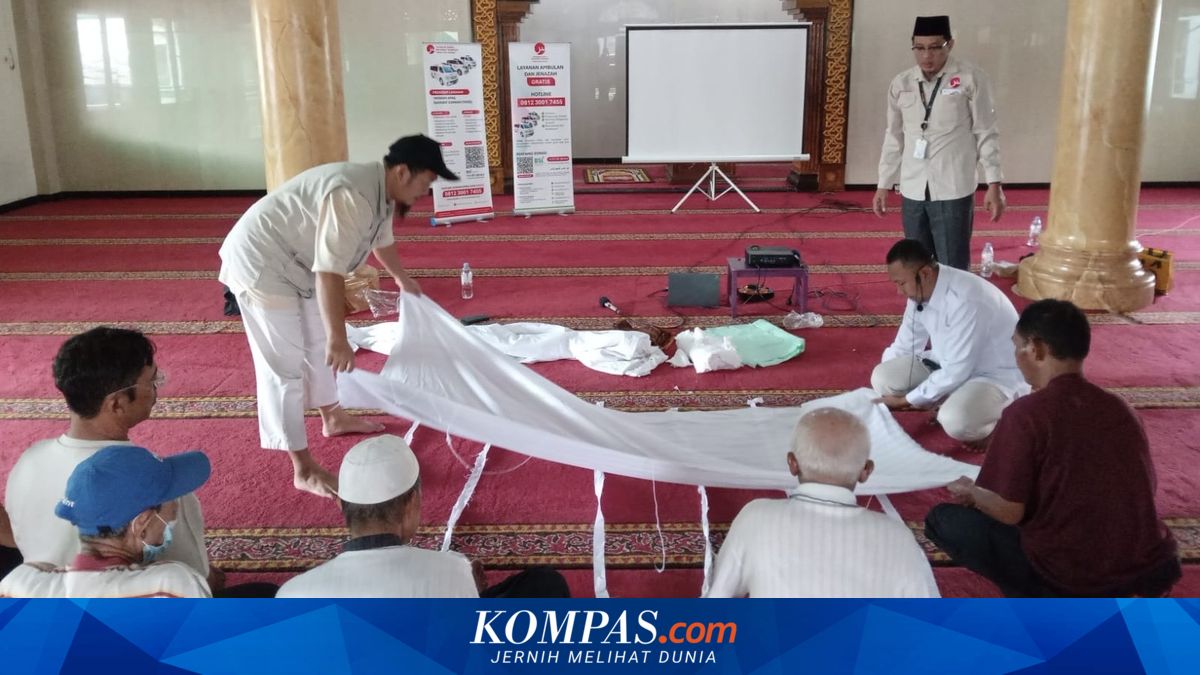
JAKARTA — Behind every funeral procession, there are individuals working silently. They are not the grieving family members by the corpse, nor the mourners who come to offer condolences. They are the funeral bathers, those who accompany a Muslim’s final journey before shrouding and burial.
To some, the job sounds frightening. But for funeral bathers, it is a final act of respect for the deceased.
Rahayu, 44, a female funeral bather in East Jakarta, has worked in the profession for around 15 years. She admits she never aspired to become one.
‘It wasn’t a career choice. I initially helped a neighbour who usually handled female corpses. Over time, I was asked to assist more and eventually learned the trade,’ Rahayu told Kompas.com via WhatsApp on Tuesday, 26 May 2026.
She still remembers her first time washing a corpse. Her body trembled out of fear. The sensation of touching a lifeless body made the experience hard to forget.
But over time, fear gradually turned into the realisation that someone must do this job.
Now, whenever she receives a call to wash a female corpse, Rahayu always begins with a prayer. She takes a deep breath and prepares her heart before entering the washing room. ‘I usually recite a prayer first. Sometimes I ask for strength, as we never know the condition of the corpse,’ she said.
Before starting the washing process, Rahayu has a habit of speaking to the corpse. ‘I say softly, “Ma’am, forgive me if I’m rough or accidentally hurt you,”’ she said.
Her most haunting experience was washing a young domestic violence victim. The injuries on the body left her unable to hold back tears after the process.
She also often finds it difficult when washing babies or young children who have died. ‘With infants, the atmosphere is different. So silent. People in the room usually stay quiet. I sometimes can’t bear to see the mother crying,’ Rahayu said.
Years of facing death have changed her perspective on life. After each washing, she is reminded that all humans meet the same end. ‘Rich or poor, we all end up the same. Wrapped in a shroud,’ she said.
Similar experiences are felt by Firman, 39, a male funeral bather in Jakarta who has worked in the profession for eight years. Firman says he always takes time to calm his mind before washing a corpse. Like Rahayu, he often speaks to the deceased during his duties. To him, funeral bathers are the last to touch a person’s body before shrouding, so respect must be maintained until the end.