
Access to Decent Sanitation Helps Women Navigate Menstruation Comfortably
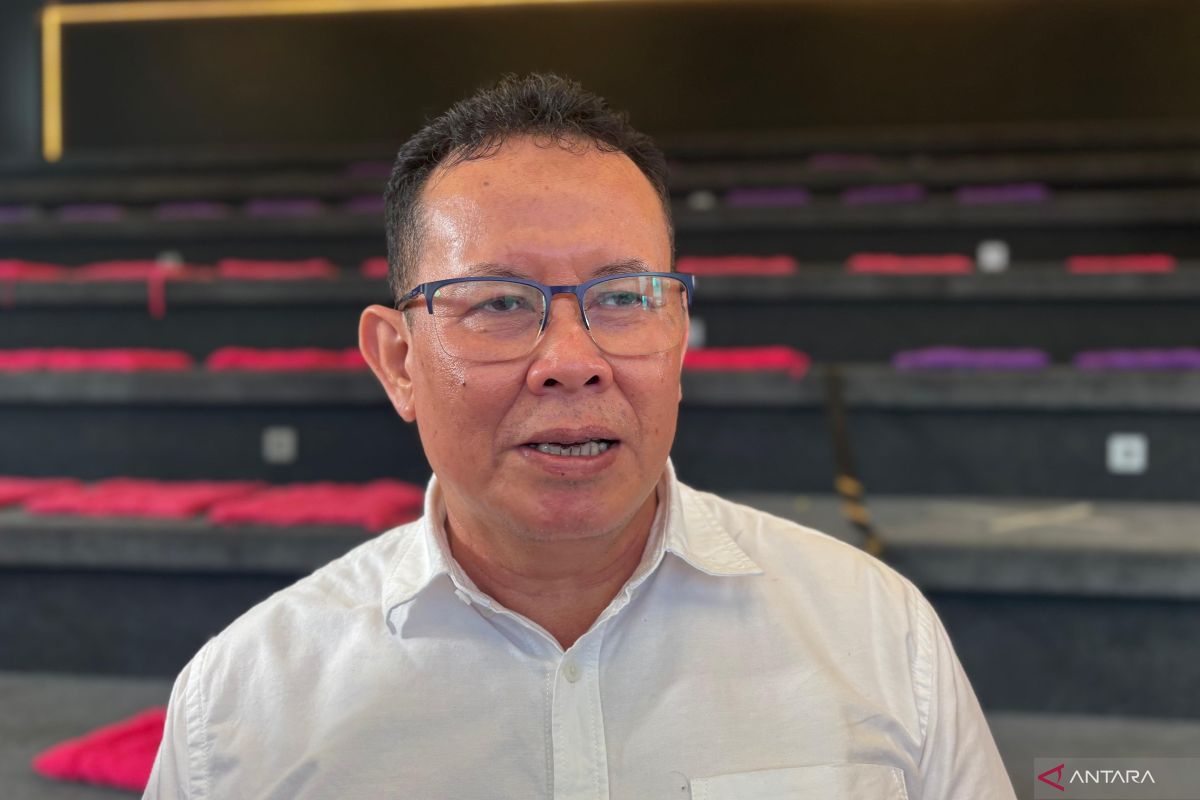
Jakarta (ANTARA) - UNICEF Indonesia’s Water, Sanitation and Hygiene Specialist, Muhammad Zainal, believes that access to decent sanitation can help women navigate their menstrual periods more comfortably. “We encourage children, including girls, to go through their menstruation without stigma, without discrimination, and to remain active in the learning process at school and in their usual activities,” Zainal said when met by ANTARA in Jakarta on Wednesday. In commemoration of Kartini Day, Zainal spotlighted that stigma still persists, viewing menstruation as a taboo subject, with adolescent girls often prohibited from participating in school activities during their periods. However, women have several rights that, in his view, must be fulfilled, such as access to decent and safe sanitation, affordable sanitary pads that match their preferences, and appropriate information and education on menstruation. “According to available data, 65 percent of mothers never discuss menstruation issues with their children. My hope is that this information can be provided in schools, but not all schools offer it. So, this indeed requires cross-sector collaboration to promote more widespread reproductive health education on menstruation,” he stated. On the other hand, Zainal emphasised that the government and schools play a central role as policymakers and budget managers in building decent facilities and providing mass education to the community, particularly women. “We also need to build collaboration with families, communities, and the private sector. So that together we can ensure the aforementioned access through innovation, education campaigns, and sustainable collaboration,” he said. UNICEF is also currently, through the Water, Sanitation and Hygiene (WASH) programme, reaching out to schools to provide education on menstruation, introduced as a normal growth process that occurs in every woman. The programme also ensures that water and sanitation access managed in the area is safe and improves hygiene practices.