
Accelerating Citizen-Centric Public Services Through AI and Digital Transformation
Barcelona, Spain, (ANTARA/PRNewswire) - News article from SmartCitiesWorld
As governments around the world move towards AI-based digital transformation, Huawei is exploring how integrated platforms, data intelligence, and “chat to process” innovations are reshaping public services, driving efficiency, and enhancing citizen satisfaction.
Governments in various countries are increasingly required to provide faster, more accessible, and transparent services to the public. Amid an ageing population, high public expectations, and budget limitations, governments must rethink how they design and deliver public services—and AI-based digital solutions help governments address these challenges.
These challenges, along with potential solutions, were the main focus of the “Global AI+ Public Service Summit” organised by Huawei Government Public Services Digitalization BU as part of the Mobile World Congress Barcelona 2026 (MWC). At the event, public sector leaders, technology experts, and policymakers discussed digitalisation and AI that can transform government services and improve quality of life for citizens.
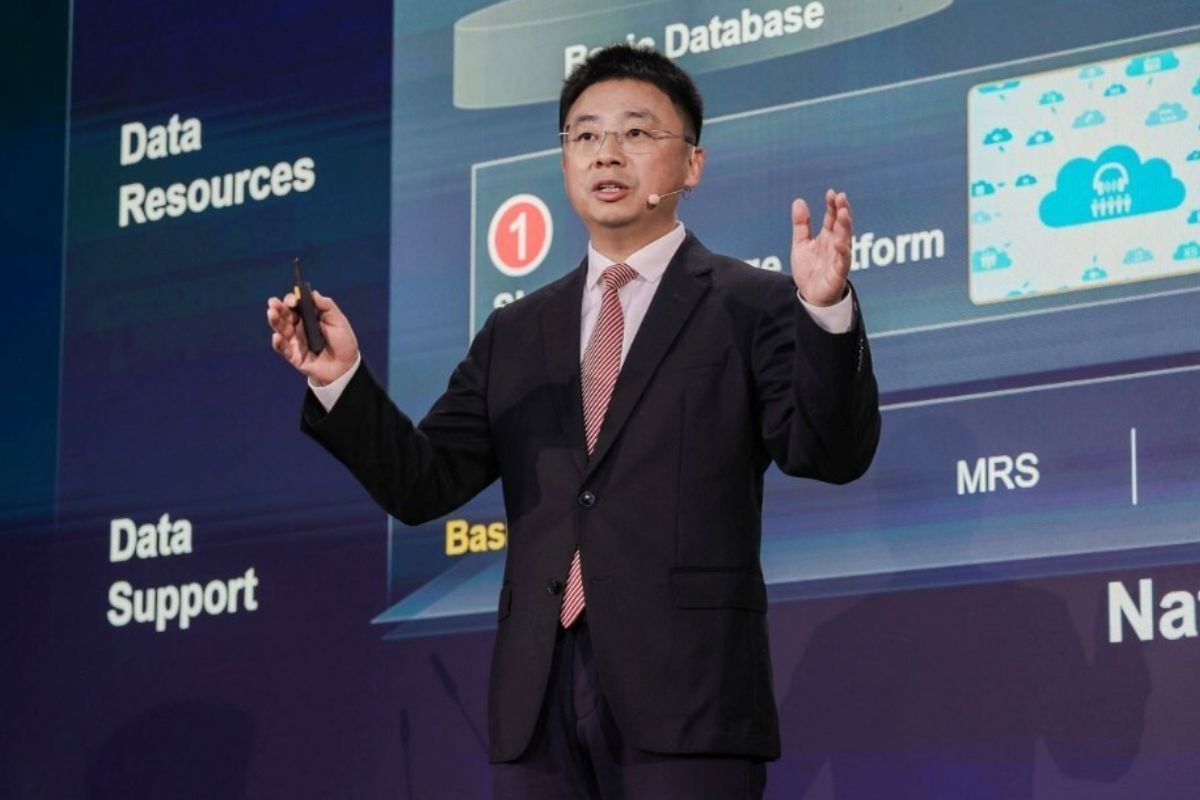
As stated by Saeed Xia, President of Huawei Global Public Service BU, during the session at MWC, these challenges are global in nature. “Governments around the world face fragmented portals, limited online services, long processing times, and suboptimal user experiences due to data silos, lack of integration, and weak intelligent digital-technology capabilities,” he said.
These structural barriers have real impacts on citizens, such as long waiting times, repeated document submissions, and complex administrative processes. Such constraints can reduce public trust and satisfaction with public services. Therefore, resolving these issues is a top priority in national digital transformation strategies.
Digital Government as a Strategic Priority
Digital government programmes not only aim to improve public services but also strengthen governance, reduce costs, and increase transparency.
According to Xia, these programmes are more than just adopting new technologies: “Digital transformation of government is a prerequisite worldwide with three main goals—increasing international influence and economic growth, modernising government governance to cut costs and build public trust, and delivering better public services to enhance citizen satisfaction.”
Citizens now increasingly expect practical, personalised public services accessible via mobile devices anytime. Such demands leave behind traditional bureaucratic approaches. To achieve this, governments must shift from isolated digital projects to integrated platforms that connect various agencies, data, and services.
AI-Based Public Services Blueprint
At the event, Huawei launched the Global Public Service Solution to help governments build intelligent, citizen-focused service systems.
This solution serves as a blueprint for countries to modernise public services through digital infrastructure, data platforms, and AI-based applications. At its core, the architecture of “1 digital foundation + 1 intelligent platform + N industry applications” creates integrated, efficient, and easily accessible services across various channels.
Xia described this vision as truly citizen-centric public services: “Ideal public services must be citizen-oriented, efficient, and transparent. This system provides integrated services 24/7 across channels, with online-offline integration, no paper documents, and processes completed in a single visit,” he said.
This model simplifies the citizen experience when using public services, with access encompassing various services through a unified portal, mobile app, kiosks, or service centres. Instead of moving between agencies and forms, citizens can complete complex processes through a single digital interface.
Huawei’s approach also emphasises data integration and AI capabilities. This architecture includes a service platform for providing online services, a data platform for secure data management and governance, and an AI platform supporting applications such as natural language processing, digital assistants, and automated licensing.
AI and the Emergence of “Chat-to-Process” Services
Governments are increasingly utilising AI-based chatbots, voice assistants, and automated verification tools to accelerate routine interactions and improve services.
Huawei introduced the “chat-to-process” service concept, which helps citizens complete administrative tasks through interactions with AI interfaces. This simplifies interactions with government—citizens simply state their needs in natural language without filling out forms or visiting websites. On the other hand, government agencies benefit from reduced manual work and faster licensing processes—with estimated improvements in citizen satisfaction and management efficiency of around 30%.
One example comes from Shenzhen. In this city, the government’s iShenzhen app is equipped with an intelligent AI assistant supporting over 50 topics for 4,000 general public services—including birth and adoption events, social security and employment, occupational safety, and company establishment and changes.
Known as Shenxiao i, this AI assistant features intelligent Q&A, conversational, and smart policy services. Shenxiao i’s intention recognition rate reaches about 97%, response rate over 97%, and response accuracy above 94%. This performance significantly reduces the time citizens need to obtain services.