
Accelerating B50 Implementation, KAI Begins Gradual Trials on Locomotives
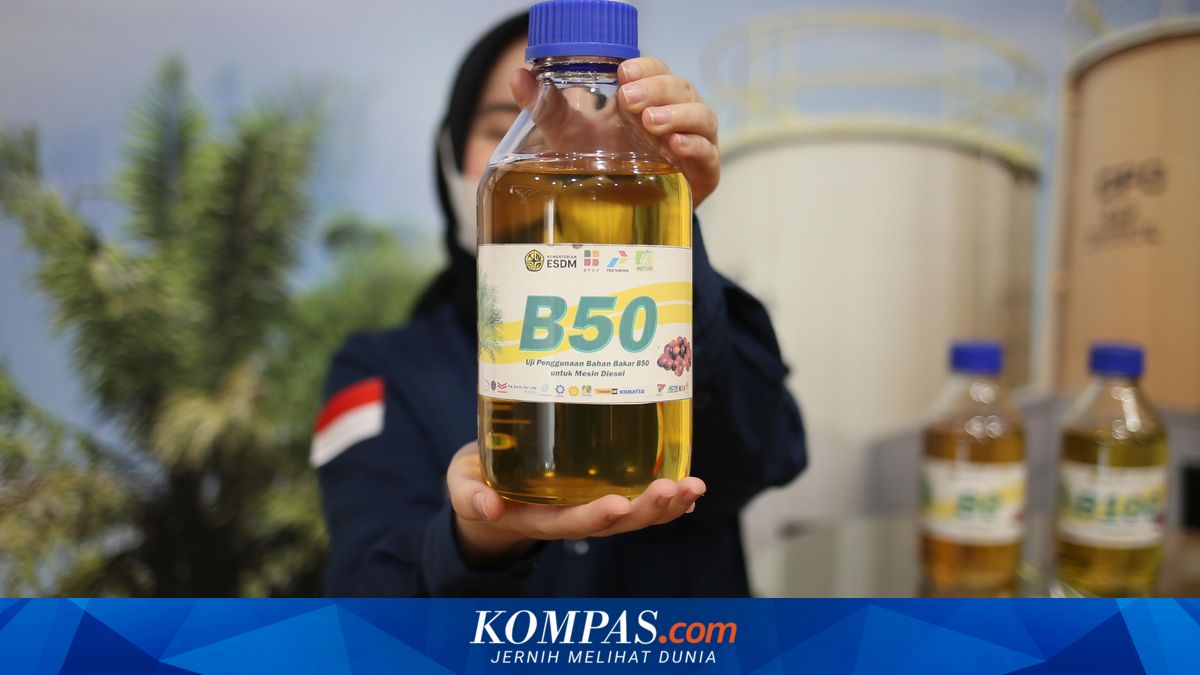
PT Kereta Api Indonesia (Persero) has begun conducting gradual trials of B50 biodiesel usage on several locomotives as part of its support for accelerating the implementation of new and renewable energy within the transport sector.
Anne Purba, Vice President of Corporate Communication at KAI, stated that the government will implement a mandatory B50 biodiesel policy nationally starting 1 July 2026, as part of efforts to strengthen energy security and transition towards more sustainable energy use. “This policy is a strategic step in increasing the utilisation of plant-based energy across various national transport sectors,” Anne said in an official statement on Monday (18/05/2026).
Anne noted that these steps are being taken to ensure journey safety, operational reliability, and the quality of customer service remains maintained throughout the energy transition process. The implementation of B50 is a continuation of the use of biodiesel previously applied during the B35 and B40 stages within KAI’s operations.
“KAI supports the government’s steps in strengthening the use of more sustainable energy,” said Anne. Throughout 2025, the use of B40 biodiesel in long-distance train services resulted in total carbon emissions of 127.3 million kg CO2e, or approximately 127,300 tonnes, serving a total of 47.4 million passengers. Meanwhile, from January to April 2026, long-distance and local train services managed by KAI served 19.2 million passengers with consistent use of biodiesel-based fuels across various diesel-based train journeys.
In various transport studies, rail-based modes demonstrate lower emission levels compared to private vehicles. “This condition shows that the use of trains helps keep transport sector emissions more controlled amidst high public mobility,” she explained.
To support the implementation of B50, KAI is collaborating with the Ministry of Energy and Mineral Resources and LEMIGAS through a series of testing phases that have been conducted gradually since mid-April 2026. The testing sequence includes the fuel blending process, inspections of vehicle conditions, and operational testing across various types of fleets.