
Academics Highlight Risks of Waste-to-Energy Projects, Potentially Hindering Indonesia's 2060 Net Zero Target
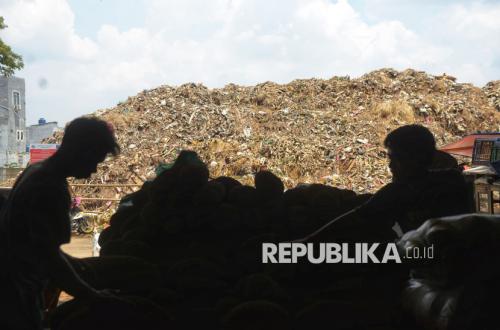
The Dean of the Faculty of Environmental Science and Technology at Soegijapranata Catholic University Semarang, Benediktus Danang Setianto, has expressed concerns that the development of Waste-to-Energy (PSEL) plants could lead to new emission and pollution problems. He noted that this poses a potential obstacle to Indonesia achieving its net zero emission target by 2060.
Setianto explained that Indonesia is currently targeting PSEL development as both a new energy source and a solution to waste management issues. He identified two primary methods for energy production using waste. The first method involves collecting methane gas from waste, which is then pumped and stored for energy use. The second method is incineration, which uses incinerator machines.
According to Setianto, incineration technology is more cost-effective than methane gas collection. However, he warned that within the framework of achieving net zero emissions, incinerators create new air pollution. Consequently, while methane collection is a cleaner alternative, the technology remains expensive.
He further added that, besides the high costs, managing PSEL through methane collection requires careful handling of leachate, the liquid produced by decomposing waste. Setianto noted that leachate has not been managed effectively so far because waste disposal processes at landfills remain unorganised.
While acknowledging that PSEL is a necessary component of the national energy mix, Setianto urged caution regarding its economic viability and the proven reliability of the technology. He concluded that while PSEL offers clear benefits in reducing waste accumulation, it also carries the risk of producing emissions that could hinder Indonesia’s 2060 net zero ambitions.