
Academics: Financial Intelligence, MLA Key to Unravelling Online Syndicates
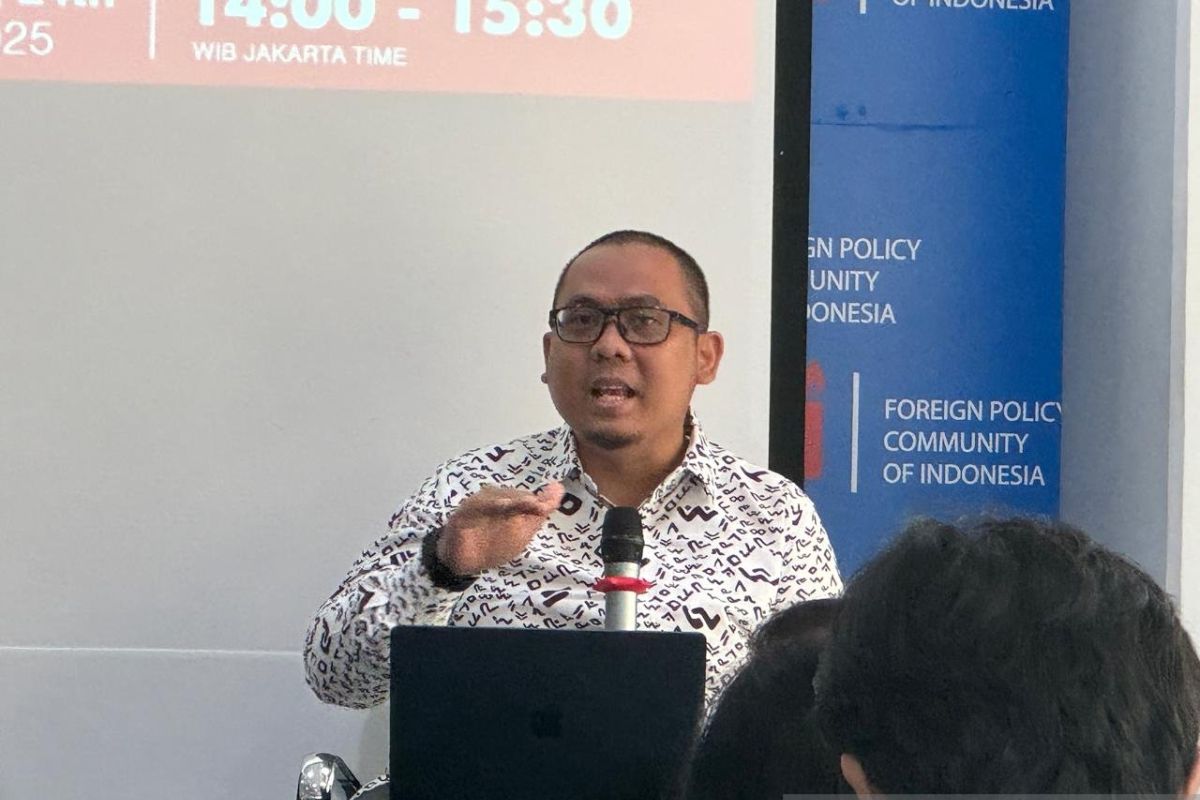
University of Indonesia Professor of International Law of the Sea, Arie Afriansyah, assesses that financial intelligence and Mutual Legal Assistance (MLA) are key to the joint Indonesia-Thailand investigation to dismantle online fraud syndicates. He stated that intelligence exchange alone is not enough to unravel online fraud syndicates because it may not necessarily be used as evidence. “The Financial Transaction Reports and Analysis Centre (PPATK) and the relevant country’s financial intelligence authorities must trace accounts, shell companies, crypto assets, and beneficial owners from the outset,” Arie told ANTARA in Jakarta on Wednesday. Indonesia already has a multilateral MLA agreement with all ASEAN member countries through the Treaty on Mutual Legal Assistance in Criminal Matters among Like-Minded ASEAN Member Countries, better known as the ASEAN Mutual Legal Assistance Treaty (ASEAN MLAT), which came into force on 20 January 2009 after ratification. Indonesia ratified the ASEAN MLAT through Law Number 15 of 2008 concerning the Ratification of the Treaty on Mutual Legal Assistance in Criminal Matters among Like-Minded ASEAN Member Countries. Furthermore, Arie said a joint task force under the Senior Officials Meeting on Transnational Crime (SOMTC) needs to map the syndicate as a single network: recruiters, scam compound managers, technology providers, account holders, beneficial owners, and their protectors. “Real-time data exchange must be followed by parallel investigations, coordinated operations, asset freezing, and victim protection based on the principle of non-punishment,” he said, adding that ASEAN does not need a new declaration, but rather a cross-country operational mechanism. According to him, Indonesia has considerable bargaining power due to the large number of online fraud victims, its strategic relationship with Thailand, and Indonesia’s position in ASEAN. However, Thailand cannot act against scam centres in Myanmar or Cambodia without cooperation from the local countries. “Indonesia needs to pursue layered diplomacy, request consular access and set a target timeframe for repatriation, as well as ensure victims are not treated as perpetrators. At the same time, Indonesia must take action against domestic recruiters,” he stated. On 3 August, Indonesia and Thailand agreed to strengthen law enforcement cooperation through information exchange, intelligence, and joint investigations to combat transnational crime. “Going forward, we agreed to strengthen cooperation in information and intelligence exchange. Also, joint investigation cooperation,” said Prabowo in a joint press statement with Thai PM Anutin Charnvirakul in Jakarta. In addition to information and intelligence exchange, the two countries also agreed to strengthen the tracking of financial flows related to transnational crime networks and enhance law enforcement coordination to dismantle cross-border crime networks.