
Academics and Researchers Raise Concerns About the National Defence Council
Headline
High volatility is likely to continue until the end of May.
High volatility is likely to continue until the end of May.
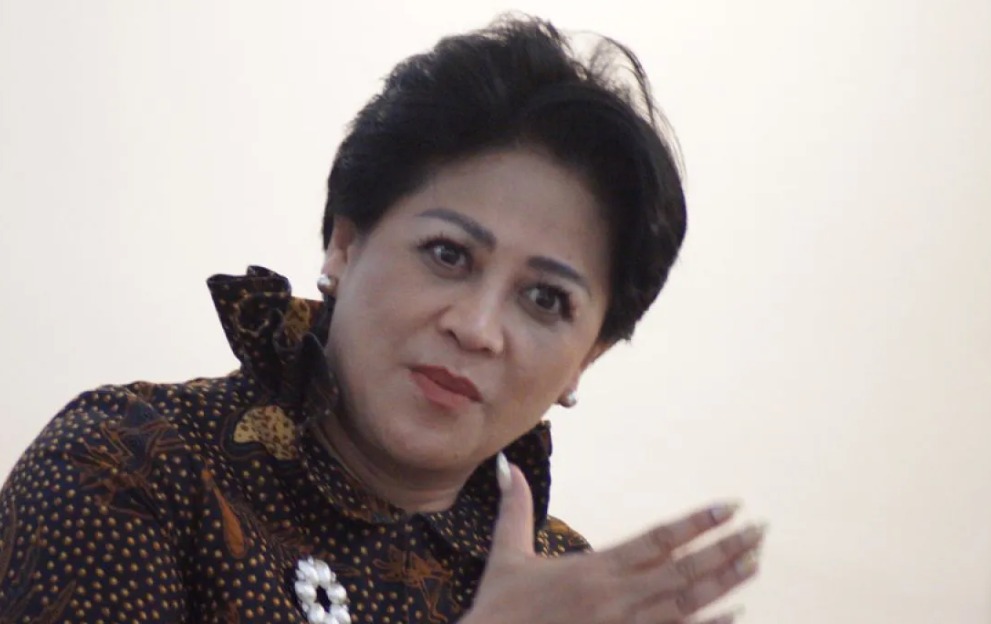
INTERNATIONAL Relations academic and military observer, Connie Rahakundini Bakrie, highlighted the formation of the National Defence Council (DPN) through Presidential Regulation Number 202 of 2024.
Connie outlined five main constitutional risks related to the existence of the DPN. One of the most highlighted is the potential for overlapping authority with existing ministries and institutions, such as the Ministry of Defence (Kemhan), the TNI, and Lemhannas.
“Overlapping institutional governance will cause confusion in strategic decision-making in the country’s security and defence sector,” said Connie in a discussion at the Indonesia Youth Congress in Jakarta, Friday (15/5/2026).
Connie also highlighted Article 3 paragraph f in the Presidential Regulation, which she called a “catch-all article”. This article gives the DPN the mandate to carry out other functions assigned by the President, which is considered vulnerable to abuse and unilateral expansion of its mandate.
In line with Connie, Political Science academic from the National University, Firdaus Syam, questioned the urgency and clarity of the DPN’s agenda. According to him, the public has not been given adequate explanation regarding the differences between this institution and other security institutions.
“The existence of the DPN deserves public criticism, the reason is that its institutional design is unclear. What is this DPN for? The DPN will also absorb the State Budget, but unfortunately it is not clear for what interests and agenda,” said Firdaus.
He added that without strict limitations on authority, the DPN has the potential to become an instrument for consolidating executive power that ignores the mechanisms of checks and balances.
From a public policy and good governance perspective, researcher Gian Kasogi emphasised that the main issue is not whether or not defence coordination is needed, but rather the concentration of strategic functions in one axis of power.
“In a healthy system, we don’t wait for abuse of power to occur. We must test the institutional design from the beginning. The question is, does the DPN really strengthen the system, or does it concentrate power in one hand?” Gian said. (H-2)
The Ministry of Defence ensures the protection of TNI soldiers in Lebanon through the UN command system, with intensive mitigation steps in the face of escalating security.
There is a momentum alignment between the plan to transfer the management of TMPNU and the legislative agenda being prepared by the institution.
In addition to providing boreholes for daily needs, the government also installs RO technology water purification machines.
The government, through the Ministry of Defence (Kemwnhan), is moving quickly to deal with the clean water crisis in the disaster-affected area of North Sumatra.
Four Operational Vehicle Units were handed over to the Ministry of Defence of the Republic of Indonesia to accelerate assistance in disaster-affected areas.
Copyright @ 2026 Media Group - mediaindonesia. All Rights Reserved
Source: jawawa.id (https://jawawa.id/newsitem/academics-and-researchers-raise-concerns-about-the-national-defence-council-1780589238)
Originally published by Media Indonesia (https://mediaindonesia.com/politik-dan-hukum/890750/akademisi-dan-peneliti-beri-catatan-soal-dewan-pertahanan-nasional), translated from Indonesian