
Academic Urges Cultural Transformation Within the National Police
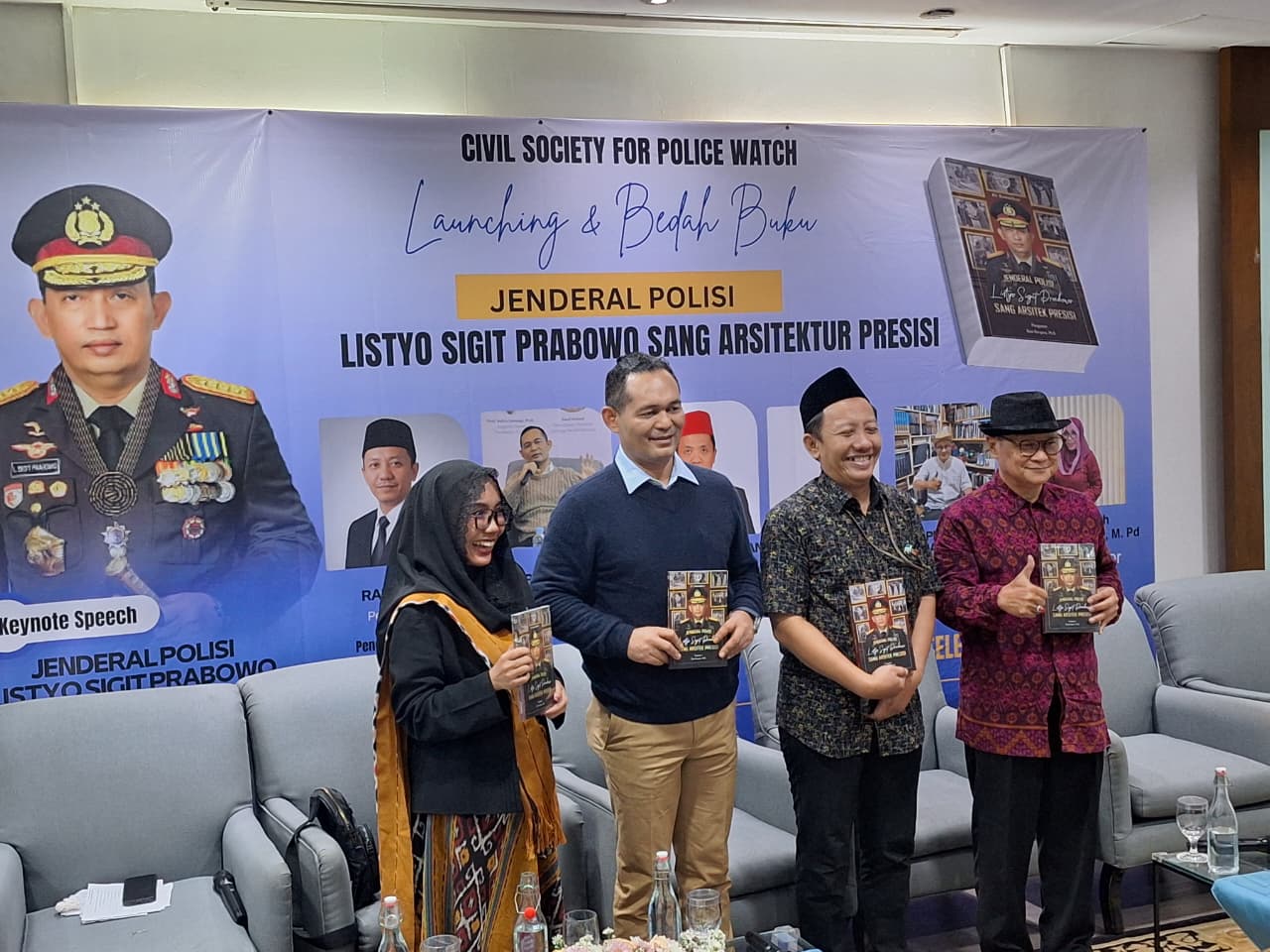
A political science lecturer at the National University (Unas) Jakarta, Associate Professor Firdaus Syam, has appreciated the institutional transformation achievements under the leadership of National Police Chief General Listyo Sigit Prabowo. However, he assessed that the Bhayangkara Corps still needs to strengthen the aspect of cultural reform so that the police’s image becomes more humanist and professional in the public eye. Firdaus made the statement after acting as a discussant at the launch of a book titled ‘Police General Listyo Sigit Prabowo, the Precision Architect of the National Police’ in Jakarta on Wednesday (24/6). “First, we must acknowledge that the steps of change or transformation carried out by Mr Listyo Sigit Prabowo have been numerous, such as at the structural and institutional levels, then IT-based programmes, as well as facilities and infrastructure,” said Firdaus. While praising the technological and infrastructural leaps achieved by the National Police, Firdaus noted the importance of improving the internal culture which often draws public scrutiny. He proposed two tactical steps to convert the PRESISI vision (Predictive, Responsibility, and Transparency with Justice) into a daily work culture. The first step is through strengthening the curriculum in the official education pathway from an early stage. The tradition of inclusive leadership must be firmly delegated to cadets at the police academy. “How the police cadets can later continue the traditions that have been developed or exemplified by Mr Listyo. How the police can become more humanist, independent, and professional,” he explained. The second step, according to Firdaus, is the affirmation of the institution’s boundaries of authority. He reminded the police force to remain strictly aligned with its primary functions as maintainers of public security and order, protectors, and law enforcers. “There needs to be consolidation within the police force. The police should not enter other domains that create public perceptions questioning police professionalism,” Firdaus stressed. Regarding the book by young Nahdlatul Ulama figure Ali Ramadhan that was discussed, Firdaus assessed that the literature is highly relevant for dissecting the dialectics of modern policing. The book is considered successful in outlining the anatomy of the institution’s problems while capturing the bright prospects of Bhayangkara in the future. The book launch event was initiated by the Forum Civil Society for Police Watch. In addition to presenting Ali Ramadhan as the author, the agenda also featured national political analyst Boni Hargens, who acted as the prologue writer. The 300-page book summarises the police force’s grand strategy in facing democratic disruption in the digital age. The author, Ali Ramadhan, hopes this work can offer a clear analytical framework for the public. “This book offers an analytical framework on the role of the police institution in facing democratic disruption in the digital age, where authority is challenged by transparency and new democratic norms,” concluded Ali.