
Academic Study Recommends Evaluation of Coal DMO and RKAB Policies
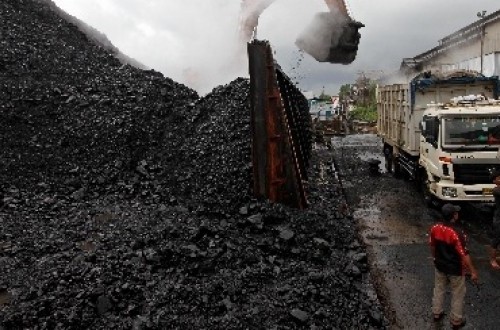
The Domestic Market Obligation (DMO) policy for coal and the Work Plan and Budget (RKAB) mechanism need to be evaluated as part of efforts to maintain the reliability of the national electricity system.
This view was expressed by Professor Yayan Satyakti, an academic from Padjordjaran University (Unpad), in a study titled ‘Overcoming Power Outages in Indonesia: A Debottlenecking Plan’, in his statement to the media on Monday (29/06/2026).
In his study, Yayan assessed that the primary issue affecting the reliability of the electricity system lies in the aspect of primary energy supply.
According to him, the DMO pricing mechanism, which is fixed at approximately 70 USD per tonne, is below the Indonesian Coal Reference Price (HBA) which, in June 2026, ranged from 84.53 USD to 121.83 USD per tonne. This encourages mining companies to prefer the export market over meeting domestic market needs.
This condition, according to Yayan, impacts the coal supply for power plants.
The study noted that PLN’s coal requirement reaches approximately 154 million tonnes, while supply contracts only cover about 134 million tonnes, causing coal stocks at power plants to drop to around 10 days, which is below the minimum requirement of 25 days.
Based on the modelling he developed, reforming the DMO pricing mechanism is estimated to be able to close approximately 72 per cent of the national blackout gap.
“Improving this single pricing rule alone would close about three-quarters of the blackout gap,” said Prof Yayan in his study.
In addition to the DMO, Yayan explained that the RKAB mechanism also needs to be evaluated to ensure the adequacy of coal supply for the electricity sector.
The study mentioned that the reduction of coal production in the 2026 RKAB to approximately 600 million tonnes, from a realised 817 million tonnes in 2025, means that the 25 per cent DMO allocation is no longer sufficient for power plant needs.
After the DMO pricing mechanism is improved, increasing the RKAB is considered not to directly add to the energy supply, but rather to function as a security buffer for coal supply.
“Do not use RKAB cuts to regulate prices. Increase the DMO allocation to 30 per cent and guarantee PLN’s tonnage first, by treating the quota as a reliability reserve,” the recommendations in the study stated.
According to Yayan, the evaluation of DMO and RKAB needs to be placed within the framework of strengthening national energy security.