
Academic: Reckless Non-Conviction-Based Asset Forfeiture Could Harm Investor Confidence
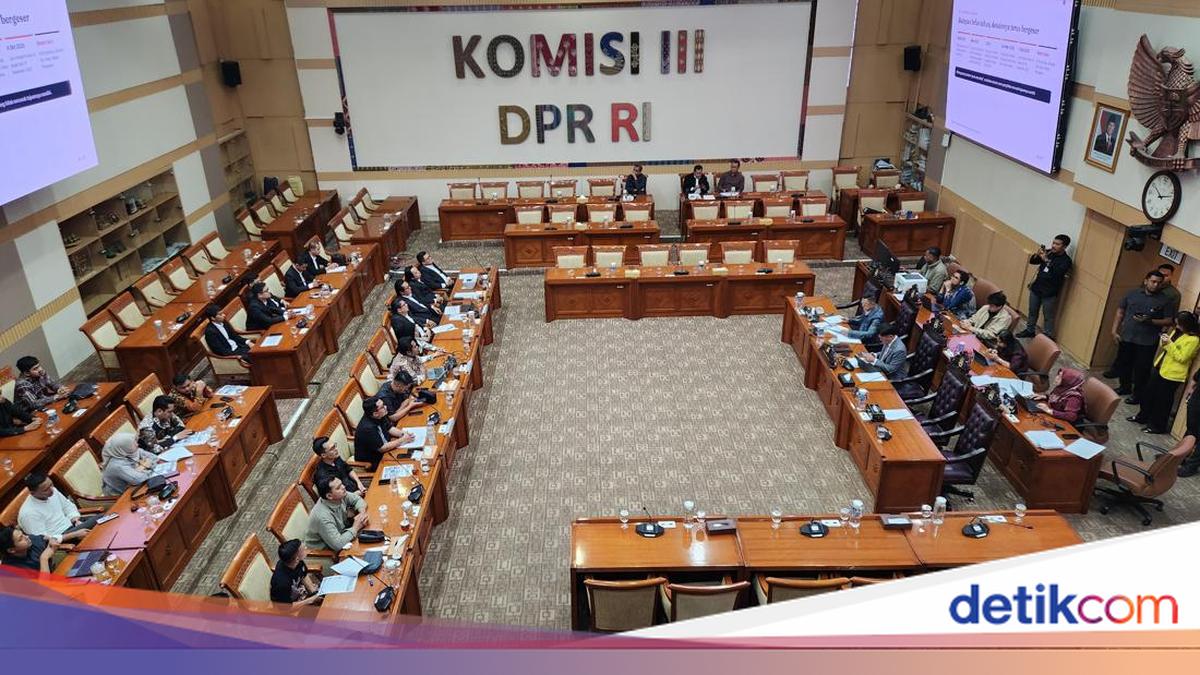
Academic Fithra Faisal Hastiadi said the general outlook for applying non-conviction-based (NCB) mechanisms, or asset forfeiture without a criminal conviction, was not particularly encouraging. If introduced recklessly, the mechanism could be viewed negatively by investors.
“Broad NCB, yes, is not really in a very encouraging condition. Why? There is a risk that when institutional norms are not very good, NCB or asset forfeiture carried out recklessly will be interpreted negatively by investors,” Fithra said at a public hearing with Commission III of the House of Representatives (DPR RI), as quoted on Thursday (5 November 2026).
Fithra said that if the standards for applying NCB were inadequate, asset recovery could not be optimised and might even result in losses. In his view, the necessary standards should be comparable to those of developed countries.
“So, if we want to apply NCB broadly, we have to recover more than that so the rupiah value is higher,” he said.
Fithra added that countries with weaker institutions faced greater economic risks. He also said NCB should have a deterrent effect.
“But there is a qualification: we have to create that deterrent effect. If NCB serves as a deterrent, that is good, but at the same time we also have to minimise the risk factors,” he said.
“Countries’ risk perceptions improve when they carry out asset forfeiture if other institutional factors also improve,” he added.
Source: jawawa.id (https://jawawa.id/newsitem/academic-reckless-non-conviction-based-asset-forfeiture-could-harm-investor-confidence-1793858018)
Originally published by detikcom (https://news.detik.com/berita/d-8739323/akademisi-perampasan-aset-tanpa-pidana-secara-gegabah-negatif-bagi-investor), translated from Indonesian