
Academic: KDKMP Must Maintain Goods Availability and Prices
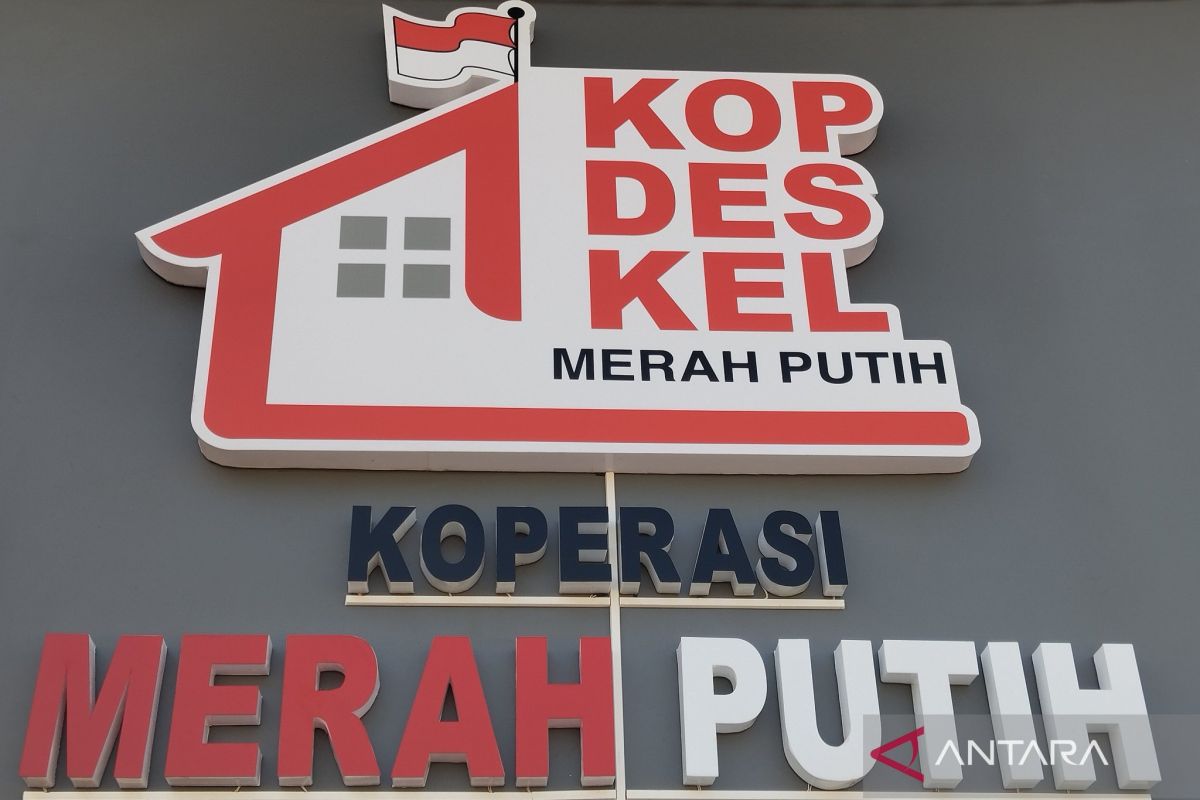
Jakarta (ANTARA) - Professor Sugiyanto of Ikopin University has said that the Red and White Village/Urban Ward Cooperatives (Koperasi Desa/Kelurahan Merah Putih, KDKMP) must be able to maintain stock availability, competitive prices and service quality in order to build public trust as users of the cooperatives’ services.
Speaking at a webinar organised by the National Research and Innovation Agency (BRIN) in Jakarta on Tuesday, Sugiyanto said the KDKMP programme has great potential to strengthen village economies.
However, its success depends heavily on the consistency of all parties in managing the cooperatives, particularly during the initial operational phase.
“Looking at the programme, this is a truly extraordinary programme. The key word is one thing: consistency from all parties,” said Sugiyanto.
He explained that the various business units run by the KDKMP, such as the distribution of LPG and essential goods, have essentially already been operated by businesses in the community.
Therefore, he said, the cooperatives must be able to offer added value in order to earn the public’s trust.
Sugiyanto assessed that the Red and White Cooperatives need to ensure that goods are always available, offered at more affordable prices, of good quality, and delivered with punctual service.
“It must not happen that people go to buy from the KDKMP and the items are unavailable because they have run out. Stock management must function properly,” he said.
According to him, these operational aspects are an important point of attention given that public expectations of the KDKMP are quite high.
Moreover, in the early stages of their formation, the cooperatives received government support ranging from capital provision and facility development to management preparation.
He noted that the KDKMP development model differs from typical cooperatives, which grow from community initiative or a bottom-up approach, as the programme was prepared by the government in a top-down manner.
Nevertheless, he assessed that both models can succeed as long as they deliver real benefits to the community.
Minister of Cooperatives Ferry Juliantono previously stated that the KDKMP is being prepared to become a centre of economic services for communities at the village and urban ward level through the integration of various services needed by residents.
According to Ferry, through the KDKMP, communities will be able to access a range of needs, from basic foodstuffs, subsidised fertiliser and LPG distribution, health services through pharmacies and clinics, to the absorption of agricultural and fisheries produce.
He said the integration of these services is expected to shorten the distribution chain, making it more efficient and easily accessible to the public.
In addition to functioning as cooperative business entities, the KDKMP is also expected to become a driver of local economies, connecting communities with various government programmes and services.
There are currently around 1,000 Red and White Village/Urban Ward Cooperatives operating in Central Java and East Java. The government is targeting 40,000 cooperatives in operation by the end of this year.