
Academic: B50 Programme a Strategic Step Towards Energy Self-Sufficiency
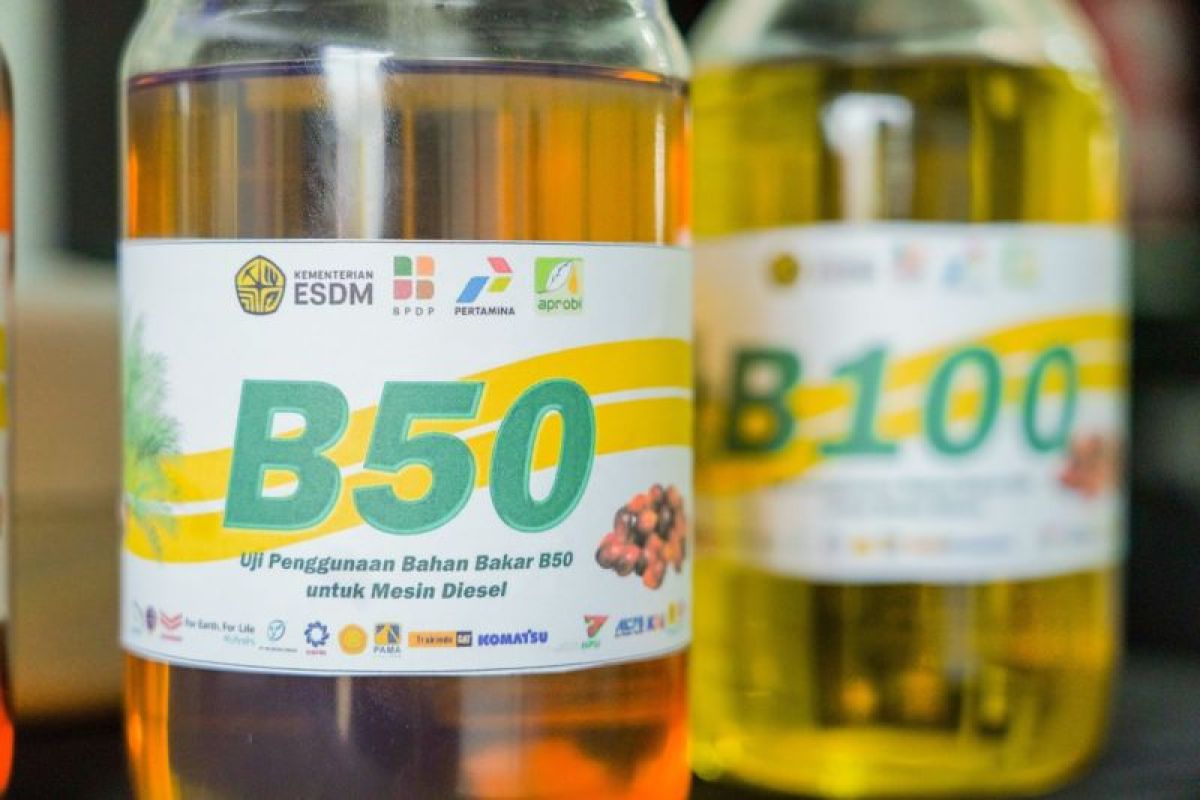
The implementation of the Mandatory B50 Programme is a strategic government step to reduce Indonesia’s dependence on imported fuel oil (BBM) while achieving energy self-sufficiency, according to an academic. Tri Yuswidjajanto Zaenuri, a professor at the Bandung Institute of Technology (ITB), stated that the programme, which mandates a 50 percent blend of diesel and palm oil-based biofuel, is an effort to optimise domestic natural resources, particularly crude palm oil (CPO), as a renewable energy source. “Indonesia has the advantage of being one of the world’s largest CPO producers, with national production reaching around 53 million tonnes per year,” he said in a statement in Jakarta on Wednesday. He added that this potential is crucial capital in accelerating the development of biofuel, which will help Indonesia realise energy self-sufficiency. According to Tri Yuswidjajanto, energy self-sufficiency is a strategic necessity because Indonesia still relies on imported fuel to meet national energy needs. This dependence not only burdens the country’s foreign exchange reserves but also increases vulnerability to external shocks such as rupiah exchange rate fluctuations, global oil price volatility, and the risk of embargoes or sabotage to the energy supply chain. “Therefore, the development of domestic resources like biofuel must continue so that we can achieve energy self-sufficiency. The B50 programme is one of the efforts to realise this,” he said. Tri Yuswidjajanto believes the implementation of the Mandatory B50 Programme will have a positive economic impact, such as reducing diesel imports, saving foreign exchange, and improving the oil and gas trade balance. Based on data from the Ministry of Energy and Mineral Resources, the implementation of the biodiesel programme from 2015 to 2025 has resulted in foreign exchange savings of Rp722.7 trillion and created added value of Rp114.7 trillion through CPO processing into biodiesel. It has also supported the absorption of 10.9 million workers in the palm oil sector and contributed to a reduction in greenhouse gas emissions of 228.41 million tonnes of CO₂. “The B50 programme will increase the income of oil palm farmers and encourage regional economic growth. Palm oil-producing regions such as Sumatra and Kalimantan will benefit from economic activity in the plantation and biodiesel industry sectors,” he said. He reminded the government to anticipate the increase in domestic demand for the biodiesel industry so that it does not disrupt supply for export needs or the domestic food industry, as CPO is the main raw material for cooking oil. In this regard, the Plantation Fund Management Agency (BPDP) is encouraging the strengthening of the upstream sector to increase the productivity, sustainability, and competitiveness of the national palm oil industry. These programmes include the People’s Palm Oil Replanting Programme (PSR), human resource development, research and development support, and the provision of plantation facilities and infrastructure. “If more CPO is used domestically, export volumes will decrease, and palm oil foreign exchange earnings may also decline. Moreover, CPO is used for cooking oil,” Tri Yuswidjajanto said. Meanwhile, Eddy Martono, Chairman of the Indonesian Palm Oil Association (GAPKI), confirmed that the industry fully supports the implementation of the Mandatory B50 Programme as it is highly strategic in reducing diesel imports and saving foreign exchange. He assured that the national CPO supply is secure to meet the B50 requirement, which will reach 1.74 million tonnes by the end of 2026. Eddy Martono added that GAPKI is committed to prioritising domestic needs for the Mandatory B50 Programme over export demand. “We will certainly prioritise domestic needs first,” he said.