
Academic: Asset Confiscation Bill Could Be a Legacy of the House of Representatives in Strengthening Law Enforcement
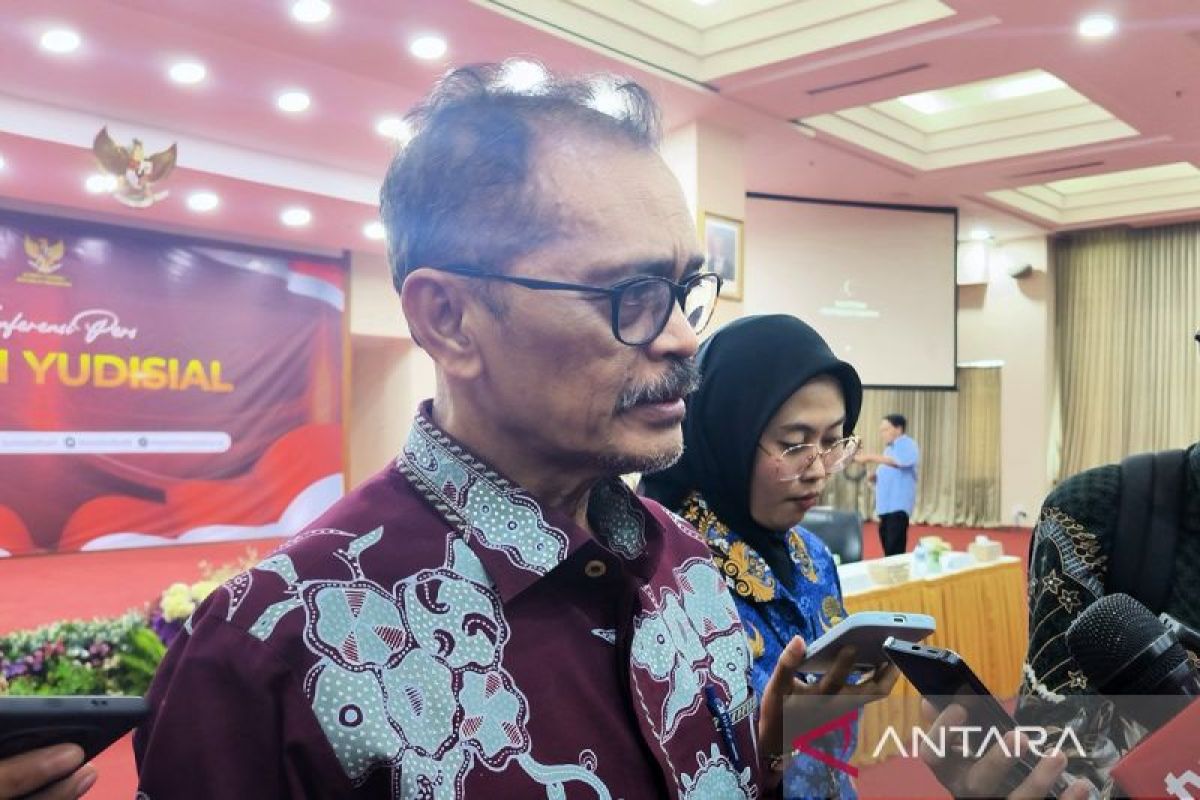
Jakarta (ANTARA) — Andi Muhammad Asrun, a professor of constitutional law at Pakuan University, says the Asset Confiscation Bill could become an important legacy of the 2024–2029 House of Representatives in strengthening the national law-enforcement system.
“Passing the Asset Confiscation Law is considered an important step in strengthening the fight against corruption in Indonesia,” Asrun said in a statement received in Jakarta on Thursday.
The regulation, he said, is an important instrument for improving the recovery of assets derived from criminal offences. So far, confiscated assets have not been fully returned to the state or the public.
He said the regulation would not focus solely on punishing offenders, but would also ensure that assets derived from criminal activity could be recovered.
Asrun said the bill could become the third major legacy of the 2024–2029 House of Representatives, following the passage of the National Criminal Code and the National Criminal Procedure Code.
However, he cautioned that the law’s creation must be followed by concrete action from the government and the House, particularly to establish an institution tasked with managing and safeguarding assets seized in connection with criminal offences.
“The institution must do more than simply store assets. They must also be managed professionally so that their value is preserved and they can contribute optimally to recovering state losses,” he said.
In terms of substance, he said, the bill’s provisions had incorporated principles of fair law enforcement. Procedurally, he also considered the drafting process to have met the requirements of the legislation in force.
He outlined four principles: first, the bill must ensure legal certainty, fairness and respect for human rights. Second, asset confiscation without a criminal conviction—known as non-conviction-based (NCB) confiscation—must follow the applicable legal requirements and procedures.
Third, governance and transparency should be secured through comprehensive asset management by a professional and independent body, supported by a transparent asset information system. Fourth, fair recovery should ensure that assets can be returned to the state, victims or good-faith third parties, in accordance with the law.
“Participation by a range of stakeholders, including practitioners, academics and state institutions, is an important part of the process of drafting the regulation,” he said.
He said approval of the Asset Confiscation Bill would help the House address unfinished business in reforming the national legal system. Its implementation is expected to strengthen efforts to combat corruption.
Earlier, the 13th Plenary Meeting of the House of Representatives in the Second Session of the 2026–2027 parliamentary year, held on Thursday (19 November), approved the Bill on the Confiscation of Assets Related to Corruption and Other Criminal Offences for enactment. The bill had been under discussion in the House for 18 years.
Source: jawawa.id (https://jawawa.id/newsitem/academic-asset-confiscation-bill-could-be-a-legacy-of-the-house-of-representatives-in-strengthening-law-1795697523)
Originally published by Antara (Indonesian) (https://www.antaranews.com/berita/5880871/akademisi-uu-perampasan-aset-jadi-warisan-dpr-perkuat-penegakan-hukum), translated from Indonesian