
Abundant Rice Stocks Push DPR Commission IV to Urge Export Roadmap
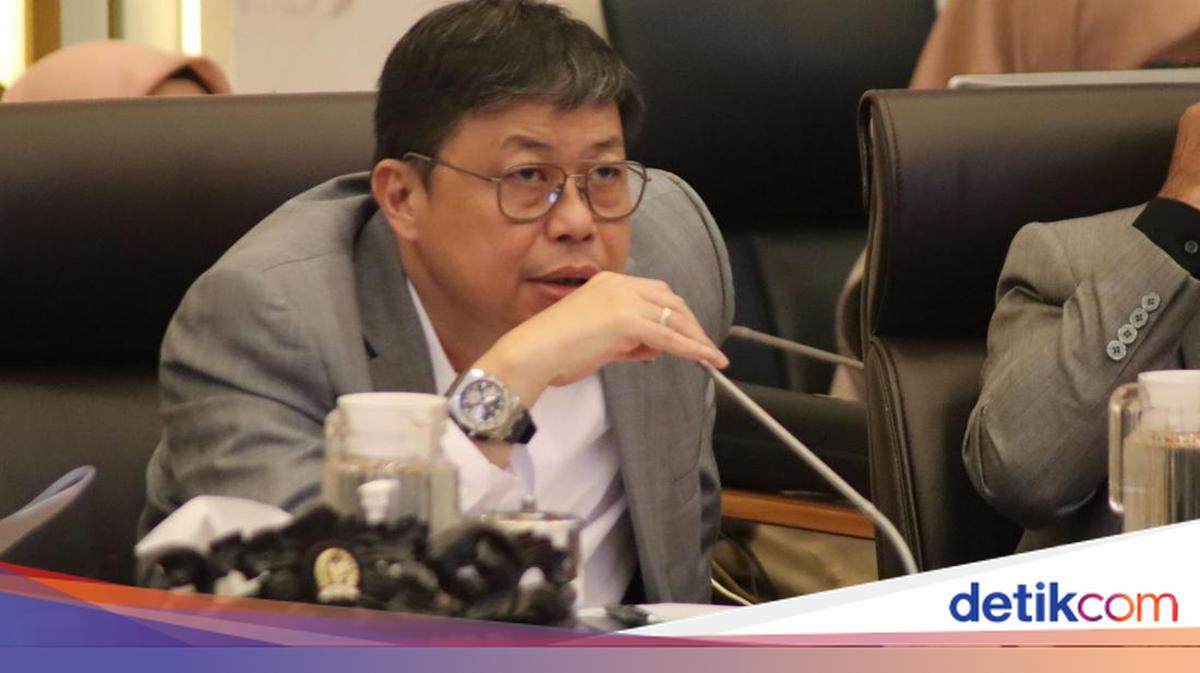
Deputy Chairman of Commission IV of the Indonesian House of Representatives (DPR RI), Alex Indra Lukman, has urged the government to begin formulating a roadmap for exporting rice produced by domestic farmers. This follows the abundance of rice stocks reaching 3.53 million tonnes by the end of December 2025.
‘The challenge we face today is to reduce production costs and improve quality so we can compete with other rice-producing countries and seize opportunities in the global market,’ Alex said in a statement on Sunday (8 March 2026).
Alex explained that to lower production costs for farmers, the innovator from West Sumatra, Ir Djoni, has developed the Sawah Pokok Murah method. He said the harvest from this method is not inferior to conventional production.
The Sawah Pokok Murah method does not involve soil tillage, which is the largest cost component in farming. The method is said to require no chemical fertilisers or pesticides or fungicides.
Moreover, he added, a dry-season climate does not pose a significant obstacle. He said the Sawah Pokok Murah method can reduce the risk of crop failure due to weather.
‘Although the topography is hilly—thus lacking broad expanses of rice fields—West Sumatra has long been self-sufficient in rice,’ said the PDIP chairman for West Sumatra.
‘With the Sawah Pokok Murah innovation, which has been implemented massively in Agam Regency, Pesisir Selatan and Dharmasraya, production costs are expected to be significantly lower than those of conventional methods as currently practiced by farmers.’
Challenges to anticipate include broken grains (patahan) or small broken pieces (menir). According to Alex, this issue requires government intervention through BRIN and the higher education sector via ongoing research.
‘Currently, the rice Stabilisation of Supply and Food Prices (SPHP) contains broken grains or specks at 25–40 percent, while rice from other rice-producing countries in Southeast Asia has a broken rate of about 5 percent,’ Alex noted.
‘If this condition is not addressed promptly, penetrating the global rice market will be very difficult,’ he added.
If the global market cannot be penetrated, Alex warned, the food self-sufficiency programme, part of President Prabowo Subianto’s Asta Cita, will face significant hurdles. He believes the government must rise to the challenge.
‘Currently, President has announced production increases, both through extensification and intensification of farming. Yet domestic absorption has not increased significantly. What will happen to the abundant stock? This is a challenge that must be addressed soon,’ he concluded.
(dwr/gbr)