
Absorbing Geopolitical Risk from the Strait of Hormuz Crisis
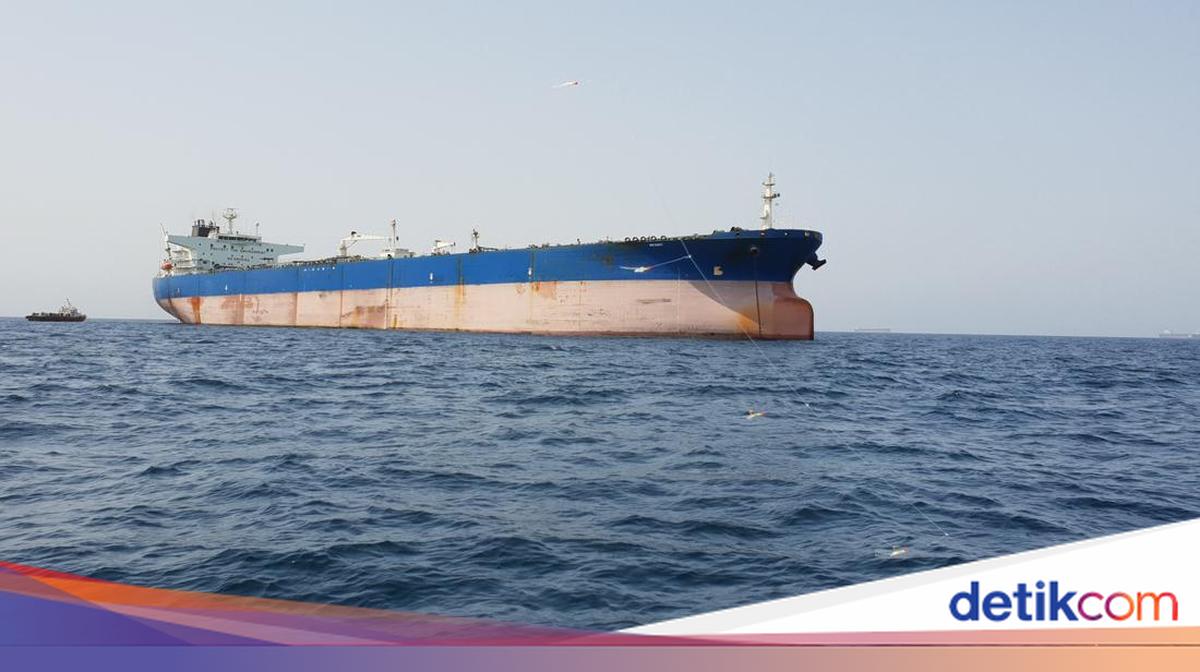
The closure of the Strait of Hormuz has had differing effects on countries in Southeast Asia. In the Philippines, for instance, an energy supply disruption has grown into problems involving transport, electricity, food and purchasing power (George and Hughes, 2026). The administration of President Ferdinand Marcos Jr. did manage to avoid shortages by seeking alternative oil sources, but this success came at the cost of crude and refined product import bills that more than doubled.
That increase then rippled across sectors, including households and industries that at first glance have nothing to do with oil. Indonesia, on the other hand, appears calmer. Fuel supplies remain available, subsidised fuel prices are being maintained, and electricity tariffs have not spiked. According to J.P. Morgan (2026), Indonesia does indeed have several buffers. Indonesia’s direct dependence on energy supplies from the Gulf region is lower than that of several other Southeast Asian countries. In addition, Indonesia possesses coal and natural gas, whose value rises as other countries look for oil substitutes.
On the other hand, Pertamina and PLN also play important roles in safeguarding supply. The state budget has so far still allowed the government to maintain subsidies and compensation. However, the ability to hold back price transmission is not the same as the ability to eliminate the cost of the crisis.
Signs of the problem are already visible, one of them coming from the market. In less than two weeks after the conflict escalated, Brent crude prices rose by around 27% to US$91.8 per barrel, while gas prices climbed approximately 74%. A study by LPEM FEB UI (2026) estimates that a 10% increase in energy prices could raise annual energy-component inflation by between 0.34% and 0.61%.
The impact of the increase also comes through manufacturing costs, capital outflows, a weakening rupiah, rising government bond yields, and a higher risk premium for Indonesia. The shock has already reached Indonesia even though it is not yet fully visible in the prices paid by the public.
When procurement costs rise while domestic prices are held down, the difference first emerges in the working capital needs and balance sheets of the state entities tasked with maintaining supply. Part of the risk then returns to the state through subsidies and compensation. In this situation, geopolitical risk undergoes fiscalisation: shocks originating from conflicts elsewhere are converted into domestic fiscal obligations so that they do not immediately burden the public.
This policy can serve as a necessary stabilisation instrument, but its capacity will be determined by how large the shock is and how long that absorptive capacity can be sustained. LPEM FEB UI (2026) estimates that a prolonged rise in oil prices could push the budget deficit beyond 3% of GDP if it is not accompanied by changes in fiscal posture.
At some point, the government must choose between holding prices down by adding subsidies and compensation, or adjusting fuel prices and cutting other spending. Each option essentially only changes who bears the cost and when the cost is paid. Thus, Indonesia is not actually rejecting the bill from the Hormuz crisis; it is merely changing the address to which the invoice is sent.
Indonesia’s vulnerability is not entirely visible in trade statistics. Research by IIFA-UIII shows that around 20.5% of Indonesia’s crude oil imports come from Gulf suppliers linked to Hormuz, while exposure for LPG reaches 37.1% (Wicaksono and Artha, 2026). Around 70.2% of sulphur imports also come from Gulf countries. Sulphur is a commodity that is important for fertiliser production as well as nickel processing.
Consequently, a Hormuz disruption can spread from the energy sector to food security and downstream industrialisation. The same institution also found another paradox. Measured using annual expected trade-at-risk, the Hormuz risk for Indonesia is only around US$16 million per year. However, when strategic dependence on crude oil, LPG, sulphur and other related inputs is measured, the figure reaches around US$9.6 billion, or nearly 600 times larger (Artha et al., 2026).
This difference does not mean one of the measurements is wrong, because they answer different questions. The first measure estimates the value of trade disrupted each year based on probability and duration, whereas the second shows the scale of the strategic input system that would be threatened if a low-probability event actually occurs.
For companies, vulnerability to the Hormuz crisis is not always visible in who their direct suppliers are. Oil products purchased from Singapore, for instance, may come from refineries that process crude from the Gulf region. Companies that have never bought goods directly from the Middle East can still be affected through indirect suppliers, higher shipping and insurance costs, a weakening rupiah, or changes in domestic energy prices. Trade statistics only show the country from which a good was shipped and do not always reveal the entire chain of dependence behind that good.
Therefore, having many suppliers does not necessarily indicate high resilience. Several suppliers that appear different may use the same raw materials, refineries, shipping routes, or financing systems. Companies have indeed diversified administratively, but they still face the same sources of disruption operationally. Resilience is only formed when companies not only have alternative suppliers but are also able to obtain inputs through different sources and routes when one part of the supply chain is disrupted.
One important lesson from the Hormuz crisis is that economic data alone is not enough. The strategic value of a vulnerability depends on the likelihood of that vulnerability being triggered by actors’ behaviour. Governments and companies need to understand whether Iran has an interest in maintaining the disruption, whether the United States will expand operations, whether Gulf countries are able to redirect exports, and whether negotiations can produce arrangements for commercial shipping.
Data can show where dependence lies. However, intelligence analysis is still needed to assess the interests, intentions, capabilities and behavioural changes that determine whether risk is rising or subsiding. Therefore, Indonesia needs a way of measuring vulnerability that connects the structure of dependence, actors’ behaviour, transmission channels, the parties absorbing costs, the ability to build alternatives, and decision-trigger indicators.
The government needs this to know the limits of what the state budget and state-owned enterprises can withstand. Companies need it so they do not only react after geopolitical risk appears in their financial statements.
Indonesia may be more resilient than a number of other countries in facing the Hormuz crisis. However, in a geopolitical crisis, risk can be moved, absorbed and hidden. Therefore, the ability to find where risk is stored, who bears it, and when it turns into a threat is the key differentiator between those who possess data and intelligence and those who do not.
Broto Wardoyo. Head of the Department of International Relations, Universitas Indonesia.
Source: jawawa.id (https://jawawa.id/newsitem/absorbing-geopolitical-risk-from-the-strait-of-hormuz-crisis-1789455330)
Originally published by detikcom (https://news.detik.com/kolom/d-8663512/menyerap-risiko-geopolitik-imbas-krisis-selat-hormuz), translated from Indonesian