
Abdul El-Sayed Could Become First Muslim US Senator
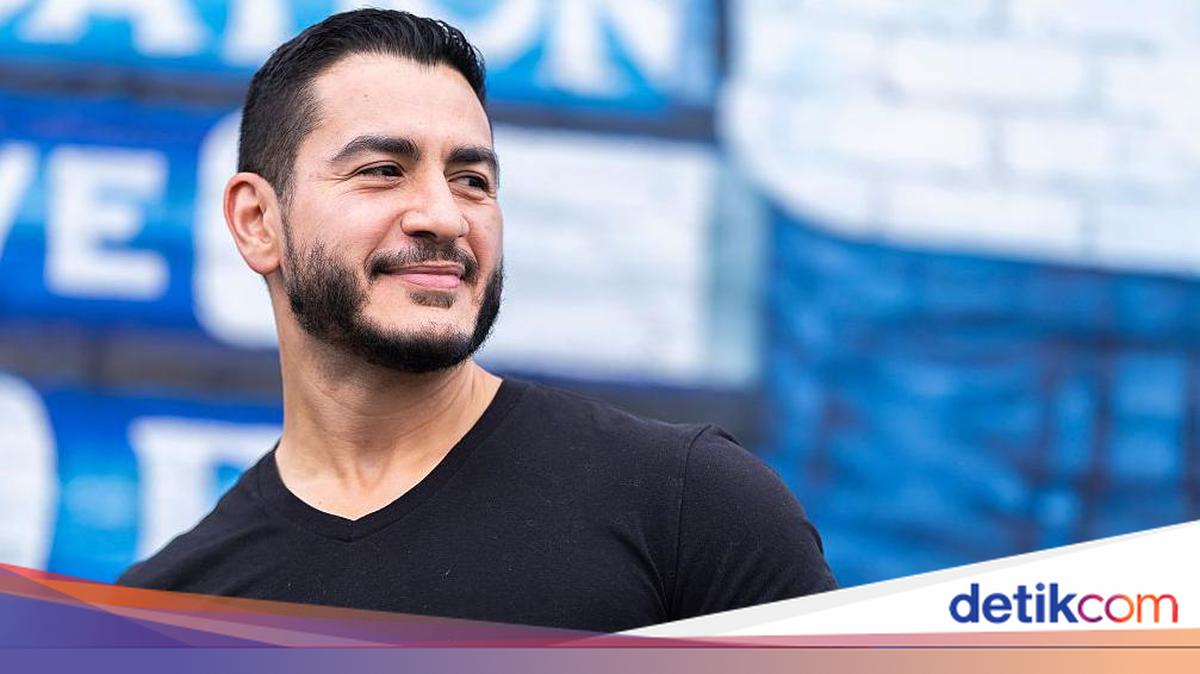
Abdul El-Sayed, 41, the son of an Egyptian immigrant, represents what many consider the left wing of the Democratic Party. Ahead of the Senate primary, he voiced support for various issues, including strengthening the public health system and abolishing the Immigration and Customs Enforcement (ICE) agency. El-Sayed also called for an unconditional halt to US military aid to Israel. He received backing from prominent ‘democratic socialists’ such as Senator Bernie Sanders of Vermont and Congresswoman Alexandria Ocasio-Cortez of New York.
El-Sayed narrowly defeated the more moderate Democratic Congresswoman Haley Stevens in the primary, according to projections by CBS News, the BBC’s US partner. Stevens had received support not only from the Democratic Party leadership but also from the American Israel Public Affairs Committee (AIPAC), which poured almost US$32 million (approximately Rp572 billion) into her campaign.
El-Sayed will now face Republican Senate candidate Mike Rogers in the midterm elections this November. His candidacy will serve as a test for the left wing of the Democratic Party. Notably, no Republican has been elected to the Senate in Michigan since 1994. If he wins, El-Sayed would also become the first Muslim senator in US history.
Although not a member of the Democratic Socialists of the USA, El-Sayed has adopted some of the group’s ideas during his campaign and received support from several of its most prominent members. His campaign slogan was: ‘Money out of politics. Money in your pocket. Universal healthcare.’
El-Sayed is a doctor by profession. He earned a master’s degree from Columbia University and a doctorate in public health (epidemiology) from the University of Oxford. He previously served as director of the Department of Health, Human Services, and Veterans Affairs for Wayne County and as public health director for the City of Detroit.
One of the most controversial aspects of El-Sayed’s campaign for the American public is his stance on Israel. He has openly opposed US intervention in the Middle East, including the billions of dollars in aid given to Israel. His Senate bid has drawn both support and opposition from the Jewish community in Michigan. El-Sayed has denied accusations of antisemitism, stating he stands in solidarity with his Jewish brothers and sisters and believes it is possible to condemn antisemitism while also discussing ways to unite people and address suffering on all sides.
President Donald Trump commented that the Democratic primary result in Michigan was ‘good news for the Republican Party,’ claiming the Democrats’ ‘crazy policies’ would only worsen.
Analysis by Anthony Zurcher, BBC North America correspondent, noted that El-Sayed’s victory was not a surprise given his lead in the polls, though the final margin was tighter than expected. He highlighted that El-Sayed ran as a committed progressive, relying on support from key figures like Bernie Sanders, Elizabeth Warren, and Alexandria Ocasio-Cortez. In contrast, Stevens had the backing of the Democratic leadership in Washington, a solid record as an elected official in Michigan, and significant financial resources from AIPAC, yet none of this proved sufficient. El-Sayed proved to be a talented candidate, and Democratic voters responded positively to his progressive proposals, including public health insurance, policies to lower drug prices, higher taxes on the wealthy, and campaign finance reform. His victory sets up a dramatic test of whether a left-wing candidate can win a state-level election.