
Abang None Jakarta 2026 Event Highlights Creative Economy and Cultural Development
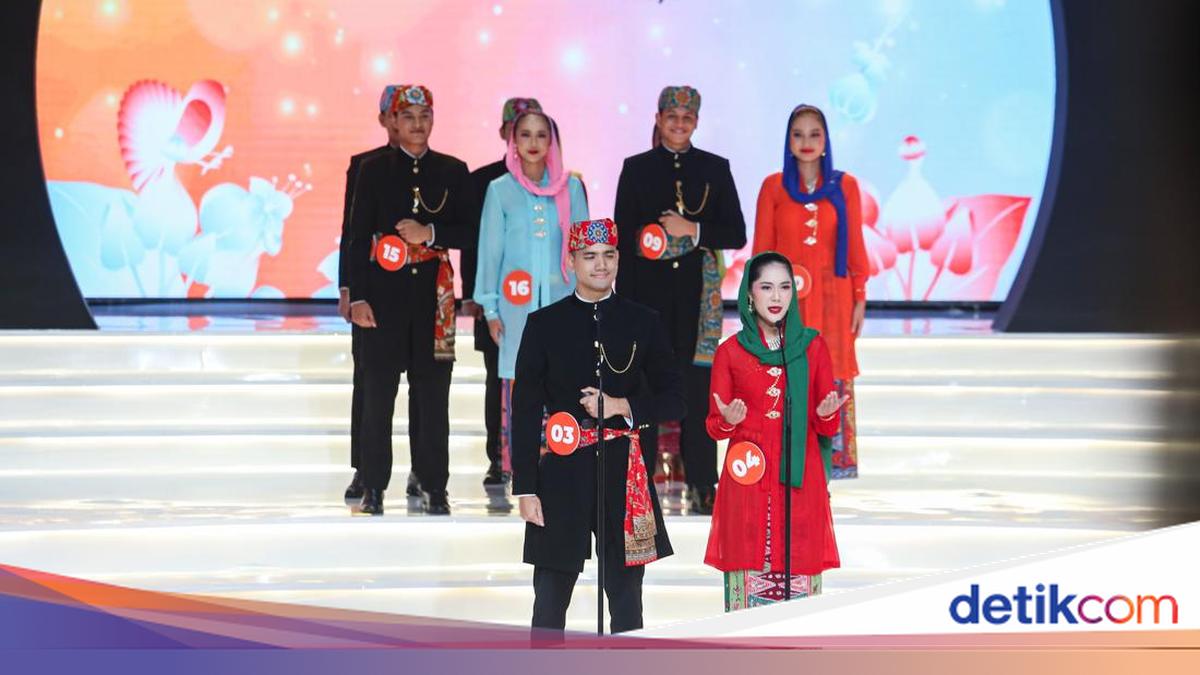
The Abang None Jakarta 2026 selection event was successfully held at Ciputra Artpreneur, Jakarta, on Friday (18/9) evening. In addition to showcasing the talents and insights of the finalists, the final judging round highlighted future issues for Jakarta, such as the development of the creative economy and the preservation of cultural identity towards becoming a global city.
One notable response came from Herve Pierre Sidarta, 24, representing South Jakarta, who was subsequently crowned Abang Jakarta 2026. During the session, the Deputy Governor of Jakarta, Rano Karno, posed a question regarding how Jakarta’s economic growth could provide more opportunities for the younger generation.
“Jakarta is a city with very large economic activity. But in your opinion, what must be done so that Jakarta’s economic growth not only makes the city more advanced, but also opens up more opportunities for its youth?” asked Rano.
Pierre replied that the creative economy could serve as one of the gateways to expanding opportunities for Jakarta’s youth. In his view, the creative economy sector possesses a long supply chain and involves many parties, such as the production of local clothing and batik fabrics.
“The creative economy is the answer,” said Herve.
He explained that a simple work, such as clothing, is capable of involving many creative actors behind it. The production process includes collaboration between artisans, artists, designers, and entrepreneurs.
“Starting from the clothes worn, for example, the batik fabric worn as a kebaya today, involves so many artists behind it,” he said.
Pierre also assessed that many of Jakarta’s youth have the potential to take a role in this creative economic chain. Therefore, he invited the younger generation to continue creating while simultaneously driving Jakarta’s economic growth.
“Therefore, I invite all the youth of Jakarta: let us continue to create, let us increase the economy through the creative economy, towards Jakarta being in the top 10 as a global city,” he stated.
Meanwhile, a different issue was presented by None Citra, 25, representing East Jakarta, who achieved the title of Juara None 2026. In the same session, Rano Karno asked how Jakarta could become more connected to the world and develop as a global city without losing its cultural identity.
“As Jakarta becomes more connected to the world, so does the influence of global culture and lifestyle. In your opinion, how can Jakarta become more global without losing its identity?” asked Rano.
Citra replied that Jakarta’s journey towards becoming a global city must remain rooted in its cultural identity. In her view, regional advancement must not sideline the traditional heritage that characterises the local community.
“If Jakarta wants to be a global city, we must be based on our culture,” she said.
For Citra, preserving culture is not merely about maintaining historical heritage. She assessed that an equally important aspect is reviving the values contained within that culture so that it remains relevant for present and future generations.
“I believe that saving culture is not just about protecting history, but also about bringing its values to life,” she said.
Citra then linked her answer to the attire she wore that night. She mentioned the ‘pucuk rebung’ batik, which she noted carries a philosophical meaning regarding the relationship between humans, God, and fellow beings.
“The pucuk rebung batik I am wearing tonight has a deep meaning, ‘Hablumminallah wa Hablumminannas’,” said Citra.
She added that humans have not only a vertical relationship with God but also a relationship with fellow humans. Therefore, according to Citra, Jakarta’s development as a global city should go hand in hand with efforts to protect and nurture culture.
“For that reason, let us protect our culture for the future of Jakarta,” she said.
The responses from Pierre and Citra demonstrated two complementary issues in viewing Jakarta’s future. On one hand, the development of the creative economy is seen as a space for youth to create, while on the other hand, cultural identity serves as the primary foundation amidst the currents of globalisation.
Both conveyed a similar message: that Jakarta’s future does not focus solely on physical and economic development. The active role of the younger generation and the preservation of the city’s identity are considered equally important in facing the changing times.