
AAJI: PSAK 117 Changes Financial Reporting Standards for Insurance Companies
Jakarta (ANTARA) - The Indonesian Life Insurance Association (AAJI) has stated that the implementation of the new Financial Accounting Standards Statement (PSAK) 117 changes the standard for reporting the financial performance of insurance companies to be more detailed, measurable, and focused on transparency.
AAJI Executive Director Emira Oepangat said that these financial statements are prepared based on standards that adopt the International Financial Reporting Standards (IFRS) used by most countries worldwide.
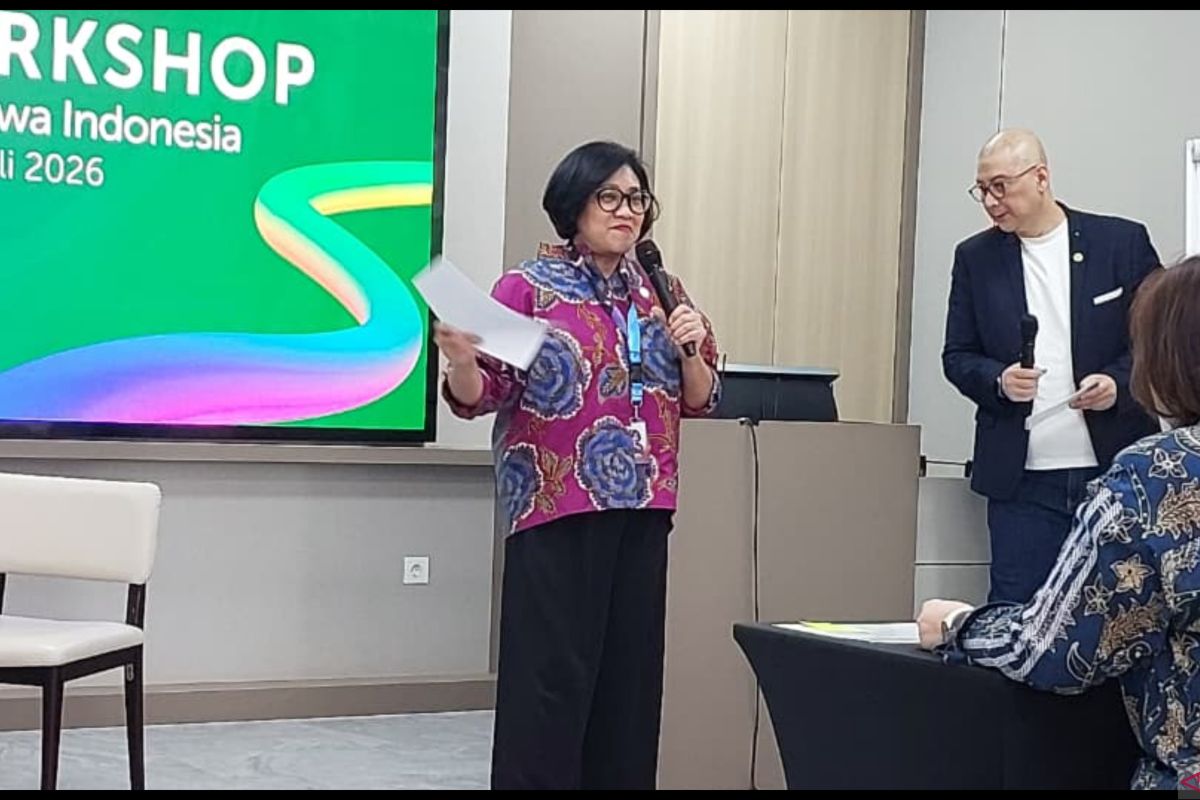
“This is not merely a change in reporting format. PSAK 117 represents a fundamental transformation in how companies measure, present, and explain business performance. Financial statements will no longer just depict past conditions, but will also provide a more complete picture of the company’s current condition and its future prospects,” Emira said during a media workshop regarding PSAK 117 in Jakarta on Friday.
According to AAJI, the implementation of this new standard is expected to increase transparency, consistency, and the quality of financial reporting for insurance companies, ensuring that the information presented is more relevant to investors, regulators, and the public. This change in accounting methods is also expected to make the analysis of financial statements more comprehensive.
Emira noted that insurance companies still need to fully understand the changes brought by PSAK 117, which may reflect the company’s condition and performance through a different presentation approach compared to previous standards. She explained that industry players were previously more familiar with PSAK 74; the adjustment to PSAK 117 only differs in the standard number, which was updated on 1 January 2024 to align with IFRS numbering for better international uniformity, though the underlying regulations remain unchanged.
One example is the use of the discount rate to calculate insurance liabilities. Under the old standard, companies were free to use different methods, leading to non-uniform results. PSAK 117 aims to make measurement more consistent and comparable.
“The profit and loss statements of insurance companies will appear simpler after implementing PSAK 117. However, more detailed information remains available in the Notes to the Financial Statements (CALK), which are essential for understanding the company’s overall condition,” she said.
Another major change is the method of revenue recognition. Under PSAK 117, premiums received from customers are not immediately recognised as revenue but are first recorded as a liability. Revenue is then recognised gradually as the company provides protection to policyholders.
PSAK 117 includes a component called the Contractual Service Margin (CSM), which ensures that the estimated profit expected to be earned by the company over the insurance contract period is recognised gradually as long as the company maintains the obligation to provide services to policyholders. Through this mechanism, PSAK 117 is expected to produce financial statements that are more transparent, consistent, and reflect the economic condition of insurance companies more accurately than previous standards.