
A Three-Day, Two-Night Holiday in Yogyakarta on a Rp1 Million Budget: Tips
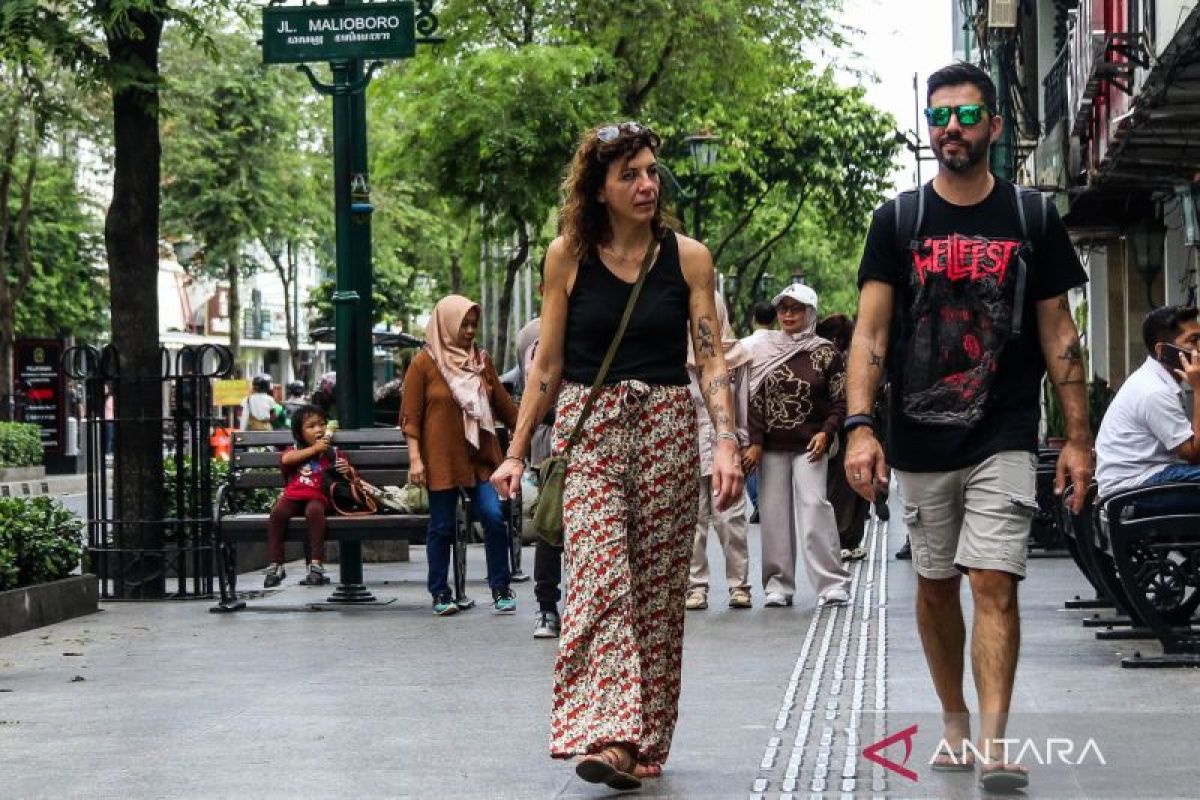
Jakarta (ANTARA) – Yogyakarta is a popular choice for a short holiday, offering cultural and historical attractions, food and natural scenery at a range of price points. Visitors can explore the Malioboro area, visit historic buildings, sample local dishes or travel beyond the city centre without necessarily spending a great deal.
A holiday in Yogyakarta on a budget of around Rp1 million is possible, depending on the traveller’s departure city, transport, length of stay and accommodation. The amount can cover a short trip if expenses are planned carefully, although travel costs vary from one region to another.
To avoid overspending, travellers should set priorities from the outset, covering transport tickets, accommodation and a list of places to visit. Here are some ways to holiday in Yogyakarta on a limited budget.
- Choose transport that fits your budget
Transport is one of the biggest holiday expenses in Yogyakarta, particularly for visitors travelling from outside the city.
For those departing from Jakarta, economy-class trains are one option. Travellers can also compare intercity bus fares before choosing the mode of transport that best suits their budget and schedule.
Ticket prices can vary according to departure time, service class, seat availability and the holiday period. Check fares through official booking channels before buying.
Train tickets can be booked through KAI’s official Access by KAI app. Information from KAI’s Contact Centre says intercity train tickets can generally be booked from 45 days before departure, subject to the conditions applicable to each service.
- Choose affordable, well-located accommodation
Travellers do not have to stay in a star-rated hotel to enjoy a comfortable holiday. Hostels, homestays and simple guesthouses are alternatives, particularly for those who spend much of their time out of their rooms.
The Sosrowijayan area and the vicinity of Malioboro are worth considering, as they offer a range of accommodation and access to several city-centre attractions. Choose a place based on its price, guest reviews, facilities and distance from bus stops or stations.
Do not compare only the nightly rate. Also factor in transport costs to attractions, so that cheaper accommodation does not end up increasing overall travel expenses.
- Make use of public transport
Visitors in Yogyakarta can use Trans Jogja services to reach a number of tourist sites within the city.
According to a Harian Jogja report in August 2026, the regular Trans Jogja fare was Rp2,700 per journey for cashless payment and Rp3,500 for cash. Check the fares and conditions again before travelling, as they may change.
Among the destinations accessible by Trans Jogja are the Malioboro area, Kilometer Zero Point, Vredeburg Fort and Taman Sari. Information on routes and bus stops can help visitors plan their journeys without using ride-hailing services for every transfer.
However, not all attractions outside the city centre are easy to reach by public transport. If you want to visit beaches or widely dispersed natural attractions, consider journey times and travel costs before adding them to your itinerary.
- Prioritise free or inexpensive attractions
Yogyakarta has a number of places that can be enjoyed without an admission fee, particularly in the city centre.
Visitors can walk along Malioboro, visit the Kilometer Zero Point area or enjoy the atmosphere at Alun-Alun Kidul. Simple activities such as walking, taking in the city and looking at historic buildings can be part of a holiday without buying a ticket for every destination.
If you want to visit attractions that charge admission, choose a few that are genuine priorities. For example, visitors could combine a trip to Malioboro with Taman Sari or the Yogyakarta Palace, then set aside time to sample local food.
Note that some sites include free public areas as well as paid visitor areas. Check ticket information with the operator before visiting to avoid exceeding your budget.
Food is an important part of a holiday in Yogyakarta. However, meal costs can rise if travellers frequently visit restaurants or cafés that are beyond their budget.
To save money, choose local food stalls, simple restaurants or angkringan, traditional street-food stalls, that display their prices clearly. Visitors can still try local specialities such as gudeg without turning every meal into an expensive food-tourism outing.
Set a daily limit for food spending before you leave. For example, with a food budget of Rp90,000 a day, travellers could divide it between three meals and set aside a little for drinks or snacks.
Taking your own water bottle can also reduce purchases of bottled drinks during the trip, provided there is access to safe drinking water for refilling.
- Plan your itinerary by location
Planning an itinerary helps travellers save both time and transport costs.
Avoid visiting far-flung destinations on the same day if there is no convenient transport between them. Instead, group attractions by area to make the trip more efficient.
For example, visitors could spend the first day around Malioboro, Beringharjo Market and Kilometer Zero Point. The second day could be used to visit Taman Sari and the Yogyakarta Palace, while the third could be set aside for food or souvenir shopping before travelling home.
If you want to visit places outside the city, such as beaches in Gunungkidul or natural attractions in Sleman, consider travel times and transport costs. Do not try to cram in too many places simply to increase the number of destinations visited.
Souvenirs are often an extra expense that is not included in initial calculations. If left unchecked, shopping costs can eat into the budget for transport, food and other needs.
Before leaving, set aside a specific amount for souvenirs. Choose items you genuinely want to take home, such as local food, handicrafts or small keepsakes.
Beringharjo Market and various souvenir shops are places where visitors can compare products. Check prices before buying, and do not hesitate to ask if they are not displayed.
Travellers do not have to buy souvenirs in large quantities. The holiday experience and time spent with loved ones may matter more than how many items they bring home.
- Avoid peak holiday periods if possible
Long weekends, school holidays and public holidays usually increase demand for transport tickets and accommodation. This can make a trip more expensive than travelling on ordinary days.
If your schedule allows, choose a departure date outside busy holiday periods. Accommodation may be more affordable, and visitors may also be able to enjoy attractions without excessive crowds.
Even so, prices are not always lower on weekdays, as they depend on demand and each service provider’s policies. Compare prices across several dates before deciding when to travel.
- Set aside contingency funds
Travelling on a budget does not mean spending all your money on planned expenses. Visitors should still set aside contingency funds for unexpected costs, such as schedule changes, healthcare needs or additional transport.
Keep emergency money separate from funds allocated for food, attraction tickets and souvenirs. This gives you a reserve if your plans change.
Avoid adding another attraction if your budget is already close to its limit. It is better to cut less important activities than to return home having spent more than you can afford.
As an example, a three-day, two-night trip from Jakarta to Yogyakarta can be planned on a budget of around Rp1 million per person, depending on transport, accommodation and activities.
The following is an example budget based on cost ranges reported during the period in question. These figures are estimates, not fixed fares, and should be adjusted to prices at the time of booking.
Return train transport: around Rp148,000 for certain economy services from Jakarta.
Local transport: around Rp50,000.
Two nights’ accommodation: around Rp150,000–Rp200,000.
Food for three days: around Rp270,000.
Attraction tickets: around Rp50,000–Rp100,000.
Souvenirs: around Rp150,000–Rp200,000.
Contingency funds: around Rp100,000–Rp200,000.
On this breakdown, the estimated trip cost is between Rp918,000 and Rp1.168 million per person. The budget may change depending on ticket prices, accommodation availability and activity choices. The economy train fare used in the example is not available on every departure or travel date.
Travellers departing from cities other than Jakarta will need to recalculate their transport budget. The same applies to those travelling with family, as accommodation, tickets and food costs will differ.
A holiday in Yogyakarta on a limited budget is possible with careful planning. Travellers can save by choosing transport that suits their needs, staying in a well-located place, using public transport and prioritising free or affordable attractions.
Setting daily spending limits and keeping contingency funds are also important for a comfortable trip. By tailoring their itinerary to what they can afford, visitors can enjoy Yogyakarta’s culture, food and distinctive atmosphere without spending excessively.
Source: jawawa.id (https://jawawa.id/newsitem/a-three-day-two-night-holiday-in-yogyakarta-on-a-rp1-million-budget-tips-1794617513)
Originally published by Antara (Indonesian) (https://www.antaranews.com/berita/5853275/liburan-ke-jogja-3-hari-2-malam-dengan-budget-rp1-juta-ini-tipsnya), translated from Indonesian