
A Thousand Chefs, Baristas, and Tea Sommeliers to Compete in Skills Showcase
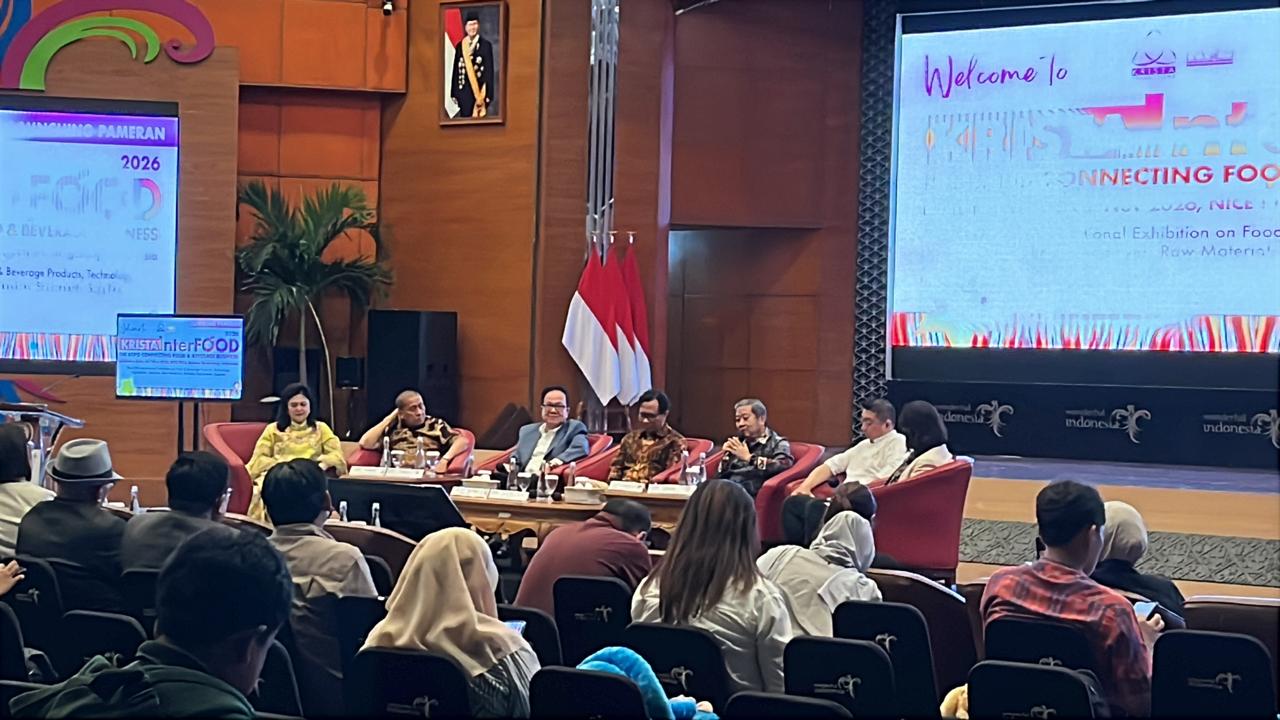
Techniques for making nasi tumpeng and various Nusantara satays with diverse ingredients and cooking methods will be showcased at the Krista InterFood 2026 exhibition and competition, to be held from 4 to 7 November 2026 at the Nusantara International Convention Exhibition (NICE) PIK 2, Tangerang. The nasi tumpeng competition will cover the entire process, from cooking the rice and blending spices to preparing accompaniments such as tempe orek, shredded chicken, balado eggs, and shrimp paste sambal. Participants will also be judged on arranging the dish, ensuring the cone-shaped rice stands upright, and decorating it with various ornaments. Similarly, the satay competition will assess the selection of raw materials, seasoning, grilling, and presentation with condiments.
Stefu Santoso, a member of the Advisory Board of the Association of Culinary Professionals Indonesia (ACPI), explained in Jakarta on Tuesday that the nasi tumpeng would be made from scratch, and the event has been consistently held. He stated that the activity serves as a benchmark for chefs’ skills while preserving the tradition of nasi tumpeng, which is a part of Indonesia’s gastronomic wealth. Nasi tumpeng remains integral to Javanese culture for kenduri or celebrating significant events such as births, birthdays, and other thanksgiving occasions. Although now widely recognised across Indonesia and still served at various events, urban communities increasingly tend to order rather than make it themselves. The philosophy of tumpeng is closely linked to Indonesia’s geography, particularly Java, which is dotted with volcanic mountains. The tradition stems from ancient practices of venerating mountains as the abode of hyang, or ancestral spirits. After the adoption of Hindu culture, the cone-shaped rice was intended to mimic the sacred Mount Mahameru, the dwelling place of the gods. Although the tradition predates Islam in Java, it was later adopted and associated with Islamic Javanese philosophy, seen as a message of supplication to the Almighty. In traditional Islamic Javanese slametan ceremonies, tumpeng is served following Quranic recitations, with the word ‘tumpeng’ interpreted as a Javanese acronym meaning ‘when one emerges, one must do so earnestly’.
Acting Deputy for Industry and Investment at the Ministry of Tourism, Rizki Handayani Mustafa, expressed similar appreciation, noting that strengthening the gastronomy sector is a key strategy for enhancing Indonesia’s tourism quality. She said gastronomy is deeply rooted in culture and forms a national identity that distinguishes Indonesia from other countries. With hundreds of culinary traditions and food resources spread across the archipelago, she believes this potential must be developed into a world-class tourism attraction. She added that gastronomy development aligns with the government’s agenda to strengthen national food security, and the exhibition is expected to bring together all stakeholders in the food ecosystem, including farmers, processing industries, MSMEs, and the tourism sector. Rizki also explained that the Ministry of Tourism is developing the Wonderful Indonesia Gastronomy programme to curate and promote the archipelago’s gastronomic wealth internationally, in collaboration with the Indonesia Gastronomy Network and involving chefs, media, and industry players from various countries. She noted future opportunities for collaboration between the programme and the exhibition series to boost global promotion, adding that Indonesia is also pushing for the establishment of an ASEAN Gastronomy Network, hoping to become a key driver of the initiative in Southeast Asia. Other competitions will also be held for baristas and tea sommeliers, from beginner to expert levels, with a total of 1,000 participants from various professional backgrounds taking part in the exhibition series.