
A space for growth and empowerment for people with severe mental illness in east Jakarta
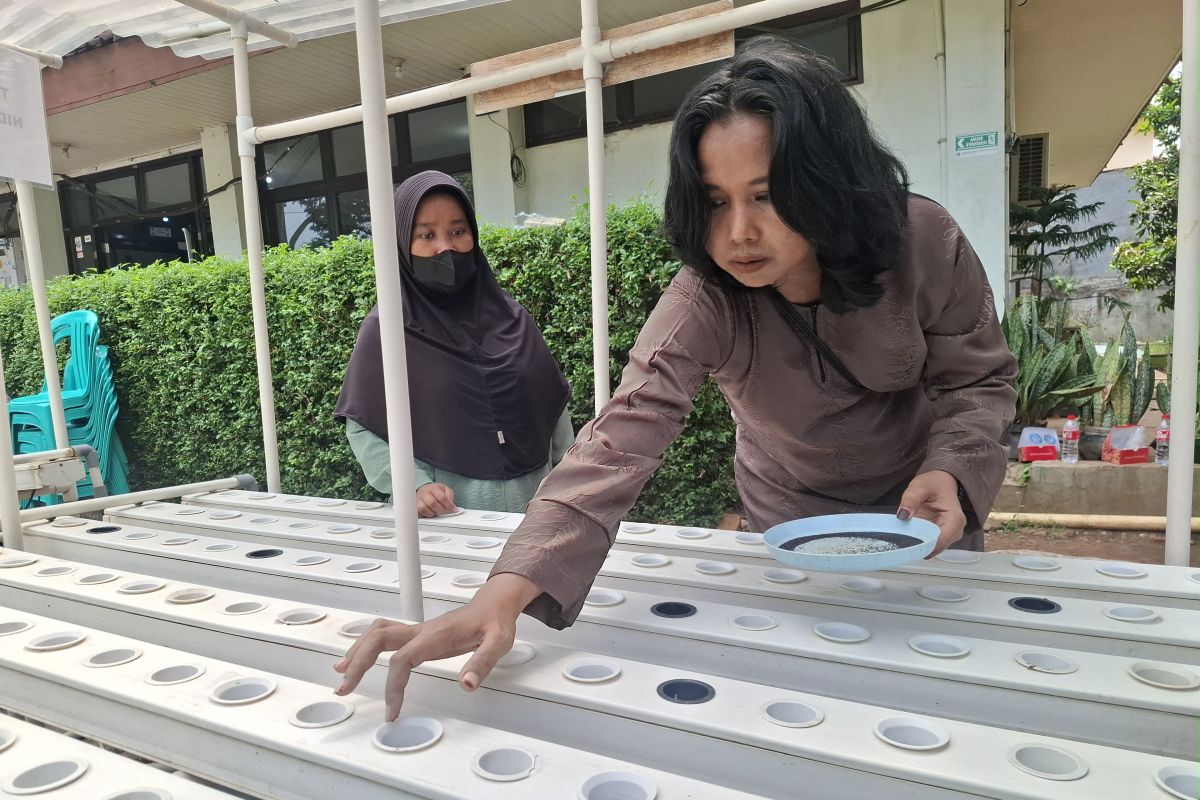
Jakarta (ANTARA) – The streets are filled with blaring horns, public transport is crowded with passengers, and people look exhausted even though the morning is still young. This is the face of the capital on a typical weekday morning.
The familiar saying that everyone is fighting their own silent battles seems apt for urban life. Some people get up every day to earn a living, while others are still trying to regain their sense of agency.
The fast pace of life leaves many people vulnerable to mental health problems. It is no surprise that mental health has become a prominent topic in recent years.
The 2023 Indonesian Health Survey recorded a depression prevalence of 2 per cent among people aged 15 to 24. Growing awareness of mental health among young people has also made visiting a psychologist less taboo.
“If you experience repeated changes in your emotions and behaviour that are out of the ordinary, consult a psychologist,” said clinical psychologist Atharana Aliyya.
As the pressures of life become increasingly difficult to manage, a trend towards slowing down has emerged among young people. Mild mental health problems can be addressed through lifestyle changes and medical support, but what about people diagnosed with severe mental illness?
For patients with severe mental illness, getting back on their feet is a simple phrase that requires sustained effort. Community health centres, as the healthcare facilities closest to local residents, play a crucial role in reaching people and supporting their recovery.
Cipayung district, an urban area with a population of more than 300,000, faces complex psychosocial challenges, ranging from family dysfunction to economic insecurity.
Mental health services
Cipayung Community Health Centre has introduced three tiers of mental health services. The first is on-site care through its Mental Health Service and Counselling Service, established in 2018 to strengthen the front line of public healthcare.
The second tier consists of services outside the centre: mental health screening at integrated health posts and community health posts, as well as home visits for people with severe mental illness and emergency care. The final tier is recovery support through social rehabilitation under the Rumah Jiwa programme.
Counselling is available from Monday to Friday, while the Mental Health Service is open on Tuesdays and Thursdays.
“We have one clinical psychologist, one certified general practitioner and one specialist nurse,” said Cipayung Community Health Centre head Agung Dewanto.
Around 10 to 15 patients visit the two services each day. This is more than just a number: it shows that mental illness is as urgent a concern as physical illnesses that are visible.
Care for people with mental illness does not end in mental health clinics. Once patients are stable, they face a new challenge: rekindling hope, becoming more independent and coming to terms with their mental health.
Source: jawawa.id (https://jawawa.id/newsitem/a-space-for-growth-and-empowerment-for-people-with-severe-mental-illness-in-east-jakarta-1793613327)
Originally published by Antara (Indonesian) (https://www.antaranews.com/berita/5826563/ruang-tumbuh-dan-berdaya-pasien-odgj-di-timur-jakarta), translated from Indonesian