
A shifting decile, citizens who wait
Citizens are not fighting against a number. They are making sure that the state’s data truly recognises their lives.
Surabaya (ANTARA) - Behind every number, there is a life in constant motion. Jobs can change, incomes rise or fall, family members are added, whilst the cost of living continues to run.
For that reason, welfare data is not merely a series of figures, but a portrait of human beings whose lives are always changing.
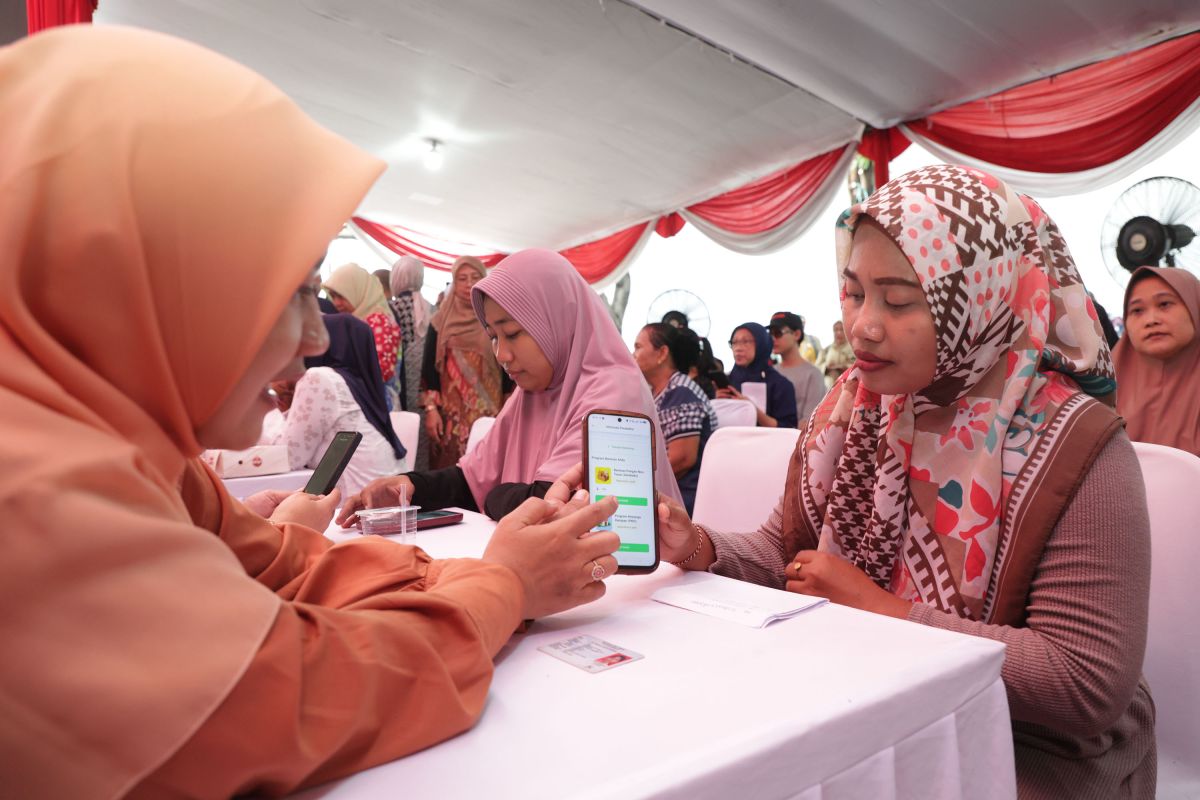
In Surabaya, East Java, around 3,283 residents have lodged complaints because their decile position in the National Socio-Economic Single Data (DTSEN) is deemed no longer to match their actual circumstances.
That figure is not simply a list of administrative objections. Behind it are families who feel their lives have changed, but have not yet been fully captured by the system.
There is also the possibility that old data still describes conditions that differ from the situation today. That is why the decile issue cannot be viewed merely as a debate about numbers going up or down. What matters more is how the state ensures that data remains aligned with reality.
The Surabaya Social Affairs Office (Dinsos) does not change residents’ decile positions outright. As of early September 2026, complaints received through Dinsos, urban villages (kelurahan), districts (kecamatan), and the mayor’s complaint channel were followed up with field verification. If a discrepancy is found, the regional government proposes an update to the central government.
At this point, the 3,283 complaints can actually be read as a mechanism of social correction. Data is not a dead object, finished once it has been created. Data must be tested, updated, and adjusted when people’s lives change.
The issue matters because the decile is not merely a statistical figure. That position is used as one of the bases for determining the targets of various government interventions. In Surabaya, for example, decile data is taken into consideration for social protection and education programmes.
Surabaya Mayoral Regulation Number 4 of 2026 on the Provision of University Tuition and Education Cost Assistance, later amended through Mayoral Regulation Number 33 of 2026, governs education assistance for Surabaya residents from poor or near-poor families, as well as those in Deciles 1 to 5 of DTSEN.
This means that a change in position within the data can have real consequences for a family. A family that was recently able to afford its educational needs may not have the same capacity today. Jobs can be lost, businesses can shut down, incomes can fall, family members can increase, or healthcare needs can grow.