
A Rare Occasion: Xi Jinping to Undertake Official Visit to North Korea
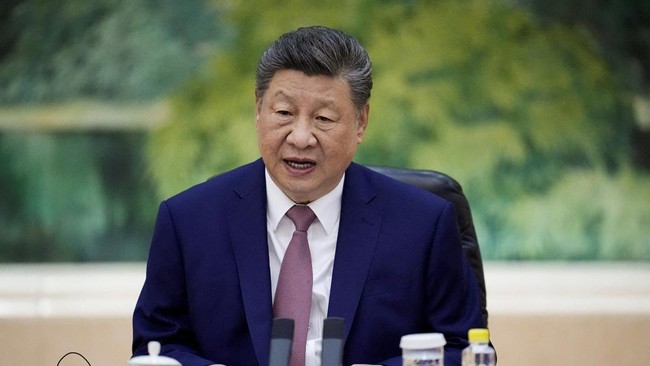
The Chinese government has officially scheduled a state visit by President Xi Jinping to North Korea for early next week. This event has drawn global attention as it represents the President’s first official visit to Pyongyang in almost seven years.
According to BBC International, South Korean Unification Minister Chung Dong-young noted that the planned visit carries a significant message regarding the direction of foreign policy in the Korean Peninsula region. He expressed hope that the meeting between the two leaders could serve as an entry point for restoring diplomatic relations that had previously reached a deadlock.
Xi Jinping is scheduled to be in North Korea from 8 to 9 June 2026, following an official invitation from Supreme Leader Kim Jong Un. This meeting follows closely on the heels of President Xi receiving visits from US President Donald Trump and Russian President Vladimir Putin in Beijing.
China remains a vital economic and political partner for North Korea, which continues to face various international sanctions related to its nuclear programme. Historically, the two nations are bound by a defence pact that guarantees mutual security support, with this year marking the 65th anniversary of the agreement.
Through this visit, Pyongyang hopes to secure commitments to increase cross-border trade cooperation to help revive its domestic tourism sector.
Beyond economic issues, the international community is also awaiting China’s role as a mediator in the denuclearisation of the Korean Peninsula. Although Beijing’s position has tended to soften in recent years, the commitment to nuclear disarmament remained a primary point of discussion during Xi Jinping’s meeting with US President Donald Trump last month.
Conversely, North Korea claims to have successfully doubled its production capacity for weapons-grade nuclear material over the last five years. This situation adds complexity to Xi Jinping’s diplomatic agenda as he attempts to maintain a balance of influence between the Russian alliance and United States interests in East Asia.