
A Range of Health Benefits of Jamu, Indonesia’s Cultural Heritage
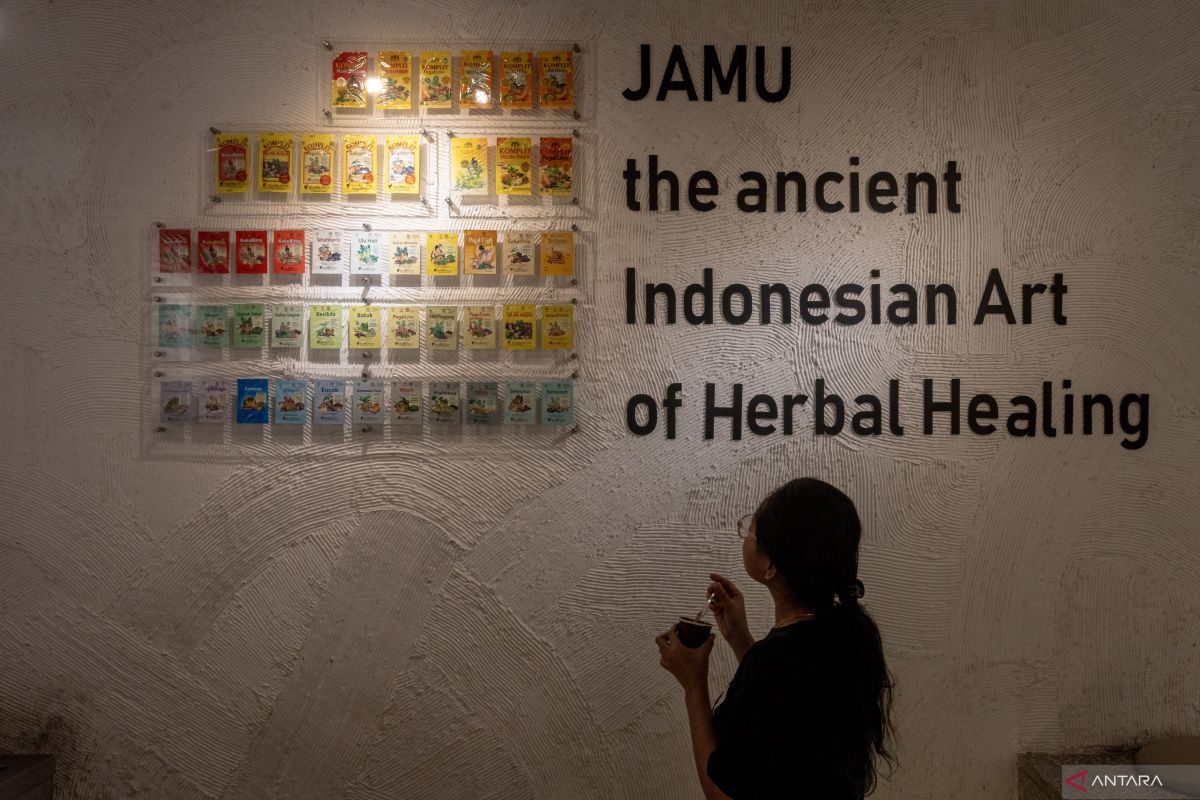
Jakarta (ANTARA) - Jamu is one of Indonesia’s cultural heritages that has endured and is still consumed by the public today. Made from various medicinal plants and spices, these herbal drinks have long been part of people’s health-maintenance practices, passed down through generations.
From kunyit asam (turmeric and tamarind), beras kencur (rice and aromatic ginger), and temulawak (Javanese turmeric) to ginger, each type of jamu has its own ingredients and characteristics. Besides its distinctive flavour, this traditional remedy is also believed to offer a range of health benefits.
Indonesia’s jamu health culture was recognised as UNESCO Intangible Cultural Heritage in 2023. The recognition acknowledges both the herbal healing tradition and the community knowledge passed down from one generation to the next.
So what are some of jamu’s potential health benefits?
1. Helping maintain physical wellbeing
One reason jamu is still widely consumed is the belief that it helps maintain physical wellbeing.
Some ingredients, such as ginger, turmeric and temulawak, contain natural compounds that may support bodily functions. Jamu can also form part of a health-conscious routine, particularly when combined with a balanced diet, physical activity and sufficient rest.
The benefits of each preparation may vary depending on its ingredients, proportions and method of preparation.
2. Containing antioxidant compounds
Many plants used in jamu contain antioxidant compounds, such as flavonoids and polyphenols.
These compounds help protect the body’s cells from damage caused by free radicals. Turmeric, for example, contains curcumin, while ginger contains gingerol, which has been widely studied for its biological activity.
These compounds mean that some herbal preparations may support health. However, jamu is not the only source of antioxidants; fruit and vegetables also play an important role.
3. Helping ease digestive complaints
Some types of jamu have traditionally been used to help address mild digestive complaints.
Ginger, for example, is known to help ease nausea. Kencur (aromatic ginger) and temulawak have also long been used in traditional preparations to help reduce abdominal discomfort.
Although these ingredients have a long history of traditional use, their effectiveness still needs to be assessed against research evidence. Jamu should not replace medical examinations if digestive symptoms persist or worsen.
Some medicinal plants used in jamu contain compounds with anti-inflammatory activity.
Curcumin in turmeric and gingerol in ginger, for example, have been widely studied for their potential effects on inflammatory processes in the body.
These ingredients are therefore often used in traditional remedies to help address certain complaints. However, findings from laboratory studies do not always translate into the same effects when the ingredients are consumed as jamu.
5. Supporting traditional approaches to maintaining health
Indonesia’s Ministry of Health says jamu can be used as part of promotive and preventive efforts—that is, to maintain health and help reduce the risk of health problems.
It may also be developed as a complement to modern medical treatment, depending on individual needs and the advice of health professionals.
This means jamu is not intended to replace prescribed medicines, particularly for people with chronic conditions who require regular treatment.
6. Preserving local knowledge and culture
Jamu’s benefits relate not only to physical health but also to the continuity of Indonesian culture.
The tradition of preparing jamu involves knowledge of medicinal plants, methods of preparation and how to adapt remedies to community needs. This knowledge is passed on through families, jamu makers and sellers who carry their wares from place to place.
By learning about and consuming jamu responsibly, the public can help preserve a tradition that has become part of the cultural identity of the Indonesian archipelago.
Take care when consuming jamu
Although it is made from natural ingredients, jamu is not necessarily risk-free. Excessive consumption, unhygienic ingredients or the illegal addition of medicinal chemicals can endanger health.
Choose products with a distribution permit from Indonesia’s Food and Drug Authority (BPOM) when buying packaged jamu. Check the ingredients and directions for use, and avoid products that promise an instant cure.
Pregnant or breastfeeding women, and people taking regular medication, should consult a health professional before using herbal preparations.
Jamu is a cultural treasure with the potential to support health maintenance. However, its preservation should go hand in hand with scientific research, quality controls and public understanding so that its benefits can be enjoyed safely.
Source: jawawa.id (https://jawawa.id/newsitem/a-range-of-health-benefits-of-jamu-indonesias-cultural-heritage-1794470251)
Originally published by Antara (Indonesian) (https://www.antaranews.com/berita/5848887/beragan-manfaat-jamu-bagi-kesehatan-sebagai-warisan-budaya-indonesia), translated from Indonesian