
A new pulse in an old building
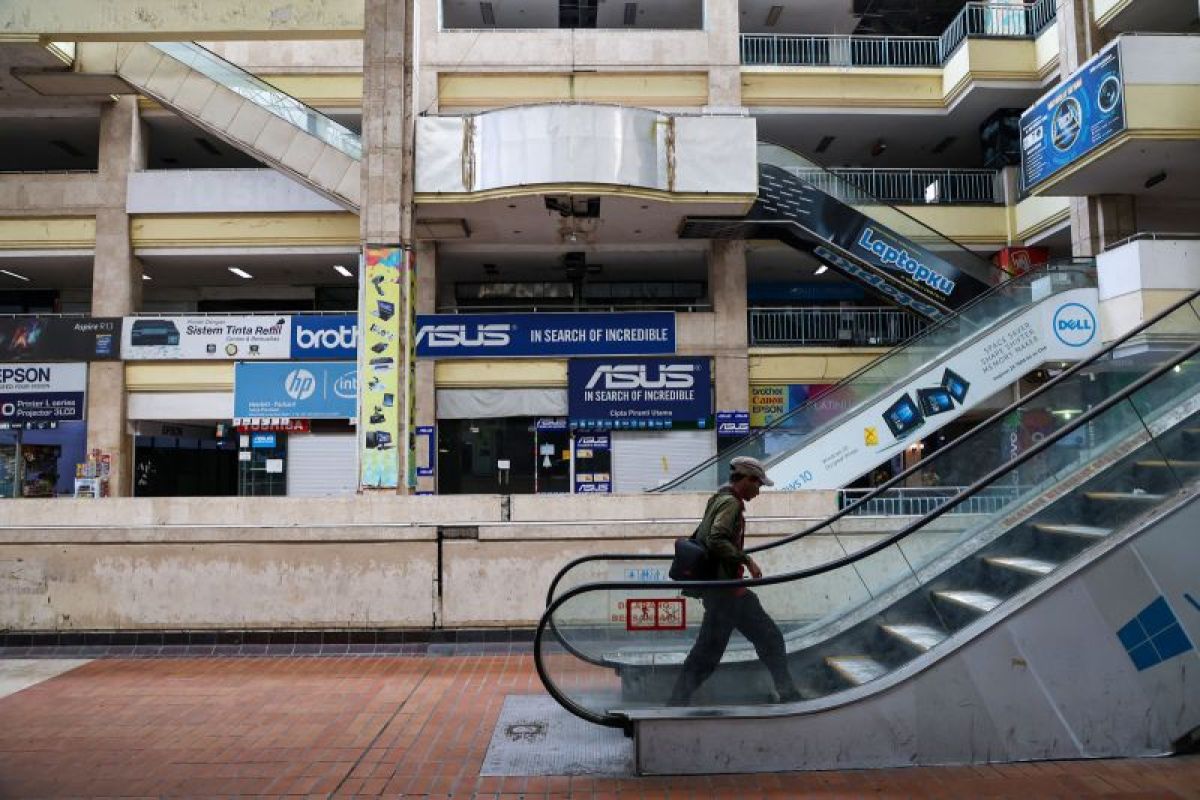
In the heart of Surabaya, East Java, a building long known as a destination for hunting computers, gadgets, and electronic devices is awaiting a new chapter. The former Hi-Tech Mall, which lost its pulse following changes in shopping behaviour and the growth of digital commerce, is now being prepared to become a meeting space for creativity, technology, small businesses, and youthful energy.
The planned opening on 5 July 2026 is not merely a building inauguration agenda. It is a test of how the city treats a space that once thrived, then fell behind. Will the old building merely be polished to become busy again, or truly transformed into a place capable of generating new economic activity?
The Surabaya City Government is preparing the basement and ground floor for food and beverage tenants, creative industries, custom motorcycle and car communities, and local brands. Around 18 food and beverage tenants and 30 creative industry tenants are said to have filled the initial spaces provided. Additionally, a meeting hall covering approximately 3,500 square metres is being prepared for exhibitions, performances, and community activities.
This choice shows that revitalisation is no longer understood as a purely physical project. The building can be repaired, the escalators can move again, and the lights can be switched back on. However, what determines the lifespan of a public space is the reason for people to come, stay, interact, and then return.
Hi-Tech Mall once grew in an era when technology still required a physical shopfront. People came to compare computer specifications, find spare parts, repair devices, or simply ask sellers who understood technical language. The presence of computer shops made the building part of Surabaya’s early digital economy memory.
However, consumption patterns changed. The digital marketplace made it easier for citizens to compare prices, read reviews, and purchase goods without having to visit a trading centre. When transactions moved to mobile phone screens, shopping centres that relied solely on product sales became more vulnerable to losing visitors.
It is at this point that the revitalisation of the former Hi-Tech Mall becomes relevant. The city does not need to force the old building to return exactly to its past. The more important thing is to find a new function that answers today’s needs.
The Surabaya City Government is still maintaining computer trading activities on the ground floor. This decision is important because it preserves the building’s old identity while providing a transition space for business operators who have long endured.
However, this identity needs to be expanded. Today’s technology is not only present in the form of hardware, but also design, gaming, digital content, artificial intelligence, audiovisual production, and data-based creative services.
The central government is also positioning the creative economy as a source of new growth. The Ministry of Creative Economy is encouraging the strengthening of business operators, digitalisation, and cooperation between government, industry, academics, communities, media, and investors so that the benefits of the creative economy are more widely felt by society.
Therefore, Hi-Tech Mall is not sufficient if it only becomes a culinary centre and gathering space. It must become a place that allows ideas to meet skills, skills to meet the market, and the market to meet financing.
The plan to provide spaces for communities, sports, performances, student activities, and e-sports gives an indication that Hi-Tech Mall is being directed to become a more diverse public space. This diversity can be a strength because visitors do not come for just one purpose.
A student can come to watch a performance, then get to know the work of a local creator. An automotive community can showcase modification results, while culinary operators gain a flow of visitors from that activity. Digital business operators can utilise community events to introduce products and build networks.
It is this kind of effect that needs to be built. A creative space does not live just because there are tenants, but because there are continuous encounters. Exhibitions, short classes, gaming competitions, local product markets, film screenings, art performances, and job search forums can become the drivers of the building’s rhythm.
The experience of several cities shows that the creative economy grows stronger when it does not stop at festivals. Momentary activities can indeed bring crowds, but sustainability is born from routine programmes, clear curation, and real business opportunities.
The Ministry of Creative Economy also emphasises the importance of data-based creative economy management to map strengths, gaps, and policy priorities. This approach is worth applying at Hi-Tech Mall.
The Surabaya City Government needs to have broader measures of success than just the number of visitors at the opening. The number of tenants surviving after the incentive period ends, the transaction value of business operators, the number of works entering the market, job creation, and the involvement of surrounding residents can be more meaningful indicators.
A rent-free period for communities and business operators in the initial stage can be a good entry point. However, this period must be utilised to build a healthy business model. Tenants must not only depend on space subsidies, but need to be helped to strengthen marketing, financial management, product packaging, intellectual property protection, and access to financing.
The government has prepared an allocation of people’s business credit for intellectual property-based creative economy in 2026. This opportunity can be bridged with business operators at Hi-Tech Mall so that the creative space does not stop at production, but also grows into a viable and sustainable business.
The biggest challenge of revitalisation is not completing the construction work, but nurturing connectivity. Hi-Tech Mall must be connected to campuses, schools, communities, and markets.