
A New Map of Tropical Diseases Amid Climate Change: Why Dengue and Malaria Are Reaching Colder Regions
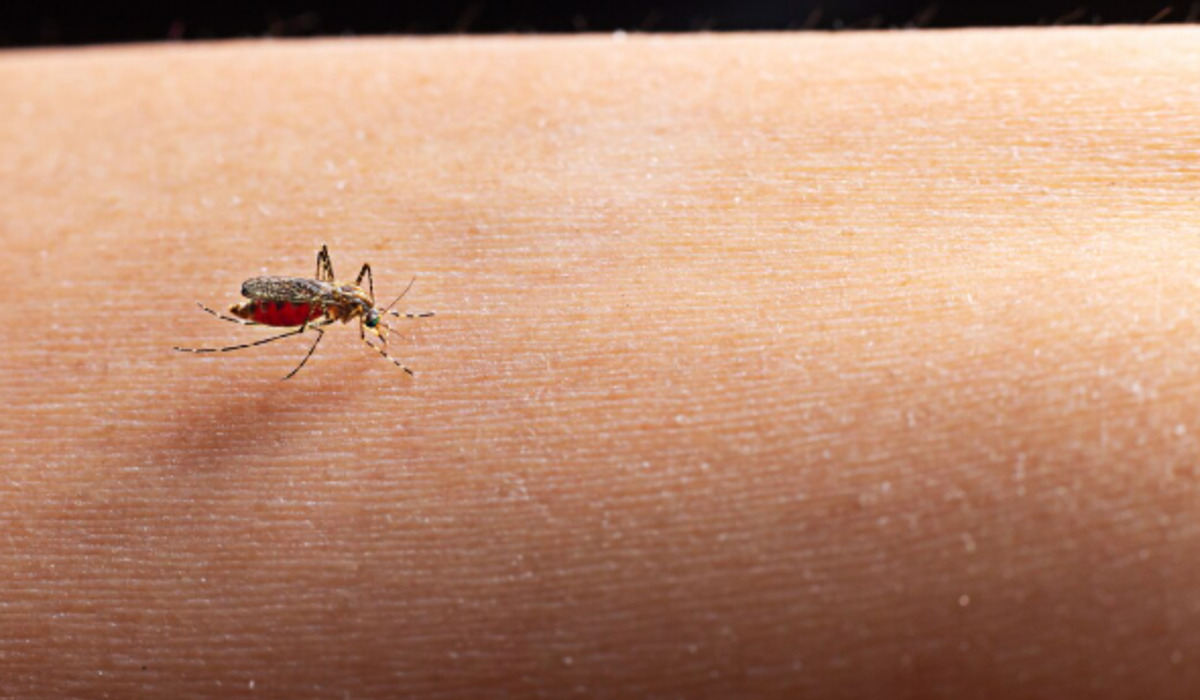
For centuries, diseases such as Dengue Haemorrhagic Fever and Malaria had clear territorial boundaries, remaining loyal inhabitants of hot, humid tropical zones. However, over the past decade, the world’s epidemiological map has undergone a drastic shift. Regions once considered too cold for mosquitoes to survive—such as highlands in Africa, the Andes mountains, and even countries in Southern Europe—are now reporting cases of local transmission. This phenomenon is not a medical coincidence but a real impact of climate change forcing disease vectors to expand their habitats. As global temperatures rise, areas that were once safe are turning into new incubators for deadly viruses and parasites. The spread of tropical diseases into cold regions is driven by biological changes in their main vectors, namely the Aedes aegypti mosquito (carrier of Dengue) and Anopheles (carrier of Malaria). Warmer temperatures accelerate the mosquito life cycle, shorten the virus incubation period within the mosquito, boost feeding and reproduction frequencies, and allow adult mosquitoes to survive winter seasons that previously killed them. In addition to temperature, extreme weather patterns contribute. Prolonged droughts often force communities to store water in open containers, ideal breeding grounds for mosquitoes. Conversely, flash floods leave vast pools of stagnant water in previously dry areas. Unplanned urbanisation in these new areas also creates urban heat islands, where concrete and asphalt absorb heat, keeping city temperatures high even at night and allowing tropical mosquitoes to remain active in geographically cold regions. Newly exposed regions often have higher vulnerability levels because local populations lack natural immunity and local health systems are unaccustomed to carrying out rapid diagnoses. Global health reports show worrying trends in previously non-endemic areas. Facing this new map, public health strategies can no longer use old patterns. An integrative approach is needed, including early warning systems based on climate data, strengthening diagnostic capacity in peripheral health facilities, and cross-border vector control campaigns. The shift of tropical diseases to cold regions is a harsh warning that the climate crisis is a public health crisis. Without serious efforts to curb climate change and strengthen health systems in new at-risk areas, the world may face an unprecedented double burden of disease.