
A New Era for Mobile Operators: Business Shifting from Telco to TechCo
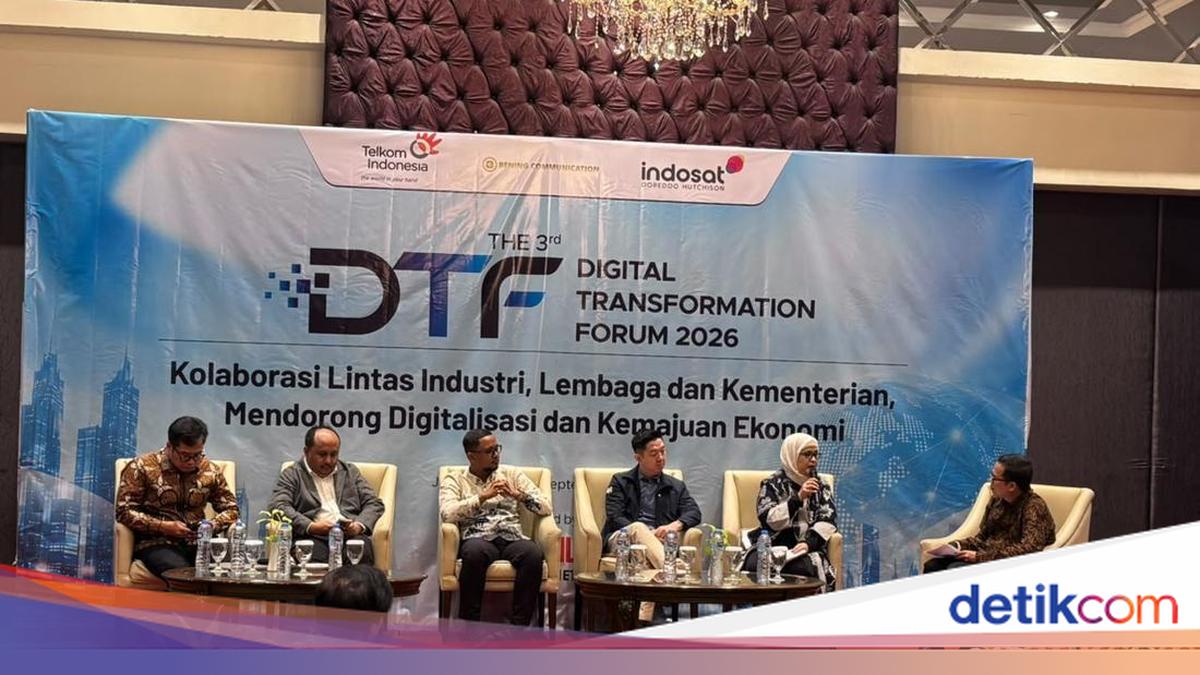
Mobile operators are no longer sufficient if they only build networks and sell connectivity; they are now required to evolve into technology companies, or ‘TechCo’, by engaging in value-added businesses such as artificial intelligence (AI), cloud computing, the Internet of Things (IoT), and various digital solutions.
This shift in business direction was a key highlight at The 3rd Digital Transformation Forum (DTF) 2026, organised by Selular Media Network at the Arion Suites Kemang Hotel, Jakarta, on Monday (21/9/2026).
Machdi Fauzi, VP Head of Ecosystem Regulatory Affairs at Indosat Oorelar Hutchison (IOH), stated that while connectivity remains the primary foundation of an operator’s business, technological advancements are shifting the source of future economic value to the service layers above the network.
“The industry is shifting from being merely telecommunications companies, or Telcos, towards becoming TechCos,” said Machdi.
He noted that the development of AI, IoT, and cloud computing opens new opportunities for operators to develop digital services with higher added value.
“Connectivity remains the main foundation, but the largest monetisation in the future lies in the upper layers—such as applications, digital solutions, and AI. Collaboration between regulators and operators is the key to ensuring Indonesia’s digital ecosystem can leap further,” he added.
This transformation indicates that telecommunications networks are being positioned not as the end product, but as the foundation for building various digital services. Mobile operators can leverage their existing networks to support corporate needs for cloud services, IoT, data analytics, AI, and other digital solutions.
Under this model, the business scope for operators is no longer limited to customers purchasing data packages or communication services. Corporations and various industries represent a new market for connectivity-based and technology-driven solutions.
This change in business models is also evident in the needs of several industrial sectors that require more specific technologies. One such example is the plantation industry. Mochamad Husni, Head of Communications at GAPKI, stated that the palm oil sector, which covers approximately 16 million hectares and employs around 16 million workers, still faces manual processes in plantation recording, fresh fruit bunch (FFB) logistics, and sustainability reporting.
Technologies such as AI, drones, satellite imagery, IoT, and data analytics are considered capable of assisting these processes, including predicting production and improving traceability capabilities.
This situation simultaneously creates new opportunities for operators. Connectivity in plantation areas can serve as an entry point to offer IoT services and digital solutions to industry players.
Ultimately, the transition from Telco to TechCo is not merely a matter of operators developing new technologies. This change requires networks, spectrum, regulation, talent, industrial partners, and business models that allow for continuous investment.