
A New Chapter in the Fight Against Corruption: Revised Corruption Law to Promote Integrity in Business Competition
Indonesia’s efforts to eradicate corruption are entering a new chapter. Whereas the focus has so far largely been on protecting state finances, discussions on revising the Corruption Eradication Law are now highlighting corruption’s impact on the business climate, economic competition and Indonesia’s position in global competition.
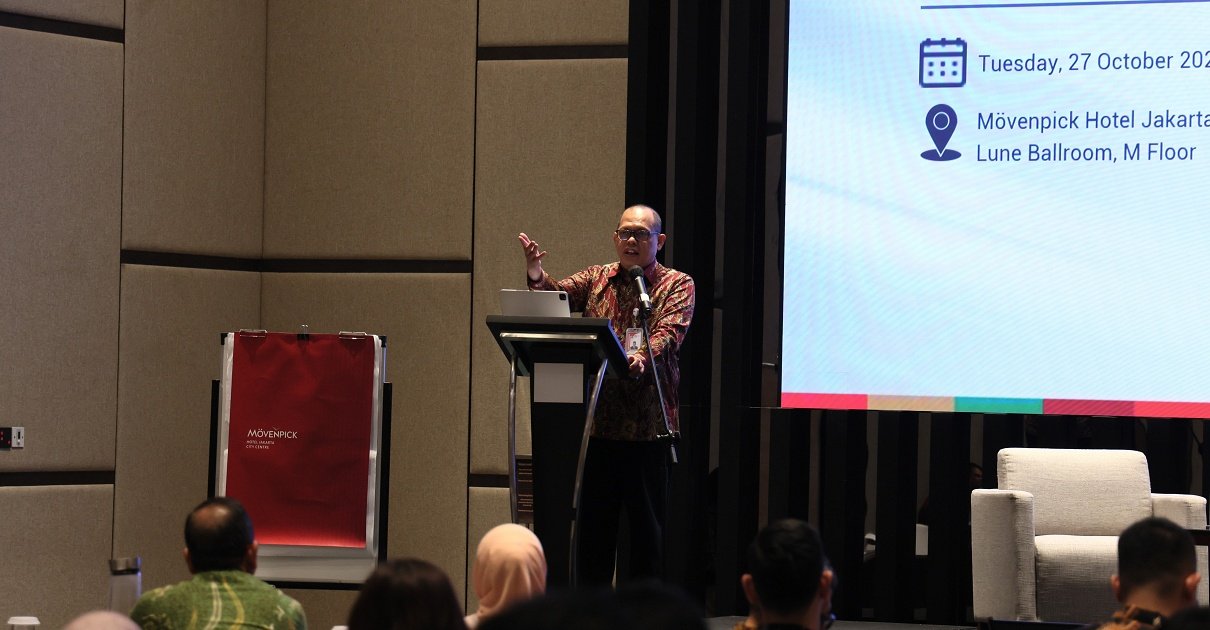
This perspective emerged at the “Public-Private Dialogue on the Anti-Corruption Law Revision: Private Sector Readiness and Regulatory Implications”, held in Jakarta on Tuesday (27 October) through a collaboration between the Corruption Eradication Commission (KPK), the United Nations Office on Drugs and Crime (UNODC), the UN Global Compact Network Indonesia (IGCN) and the Indonesia Internal Audit Community (IIAC).
The forum brought together regulators, businesses, international organisations and other stakeholders to discuss the private sector’s readiness for the direction of Indonesia’s anti-corruption legal framework reforms, which are increasingly aligned with international standards.
KPK Deputy Chairman Agus Joko Pramono stressed that Indonesia was not choosing between economic growth and integrity. The two, he said, must go hand in hand to create sustainable prosperity and improve national competitiveness.
“Corruption not only harms state finances, but also damages the mechanisms of fair business competition by benefiting those with particular access and influence,” Agus said.
He added that businesses which should win through quality, innovation and efficiency instead had to compete with practices that distorted the market. The most dangerous consequence of corruption, he said, was the loss of fair competition in the economy.
When access to business and economic opportunities is determined by influence, this can undermine economic stability and weaken confidence in the investment climate. Anti-corruption regulatory reform should therefore be seen not merely as a law-enforcement agenda, but as an effort to strengthen the foundations of a competitive and principled economy.
“This must be a shared concern, because corruption erodes the future of our children and the future of our economy,” Agus said.
At the same event, UNODC Indonesia Anti-Corruption National Programme Coordinator Putri Wijayanti said the revision of the Corruption Eradication Law was an important opportunity to strengthen the effectiveness of the national legal framework and follow up on recommendations for implementing the United Nations Convention against Corruption (UNCAC), which Indonesia has ratified.
“Fighting corruption cannot be the sole responsibility of the government and law-enforcement agencies. The business community has a strategic role as a partner in building a transparent, principled and sustainable business environment,” Putri said.
The proposed regulatory changes cover several key areas, including criminalising the bribery of foreign public officials and bribery in the private sector, trading in influence, illicit enrichment, and strengthening corporate criminal liability.
The policy recommendations are intended to bring national law into closer alignment with international standards while addressing increasingly complex and cross-border corruption challenges. As a result, business success would be more dependent on product quality, innovation, efficiency and good governance, rather than informal channels or the exploitation of influence.
IGCN Executive Director Mahatma Wirawan stressed the importance of private-sector involvement in providing input to the regulatory reform process. Open dialogue was needed, he said, to identify the implementation challenges faced by businesses and to encourage clear guidance that would strengthen regulation and provide legal certainty.
“The private sector needs to identify its biggest challenges. Regulators in this area are also expected to promote clear guidance. We also seek direction and a vision from the KPK, because prevention is preferable to dealing with law-enforcement agencies later,” he said.
Ultimately, discussion of the revised Corruption Eradication Law is not only about how to punish perpetrators. Just as important is creating a system that protects companies operating honestly and responsibly, giving businesses greater opportunity to grow through innovation, productivity and fair competition.
Source: jawawa.id (https://jawawa.id/newsitem/a-new-chapter-in-the-fight-against-corruption-revised-corruption-law-to-promote-integrity-in-business-1793123472)
Originally published by kpk.go.id (https://www.kpk.go.id/id/ruang-informasi/berita/babak-baru-pemberantasan-korupsi-revisi-uu-tipikor-dorong-persaingan-usaha-berintegritas), translated from Indonesian