
A Mother’s Story from COP31: Who Cares for the ‘Carers’?
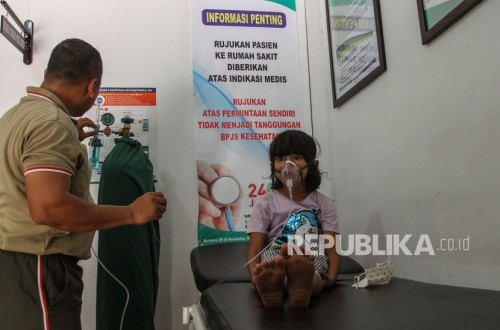
Since 2015, every morning at Roots Learning Center, I have witnessed the same scene: parents leave their children with us and hurry off to work. Caregivers and teachers welcome the children with hugs, prepare food, comfort those who are crying, change nappies and read stories. We have now cared for more than 400 families.
Work like this is rarely considered “infrastructure”. The word is usually associated with toll roads, dams or power stations. So I was immediately drawn to the title of a session at the Türkiye Pavilion at the UN on the fourth day of COP31, Thursday (12 November): “Care Systems as Social Infrastructure for Climate Resilience”.
At last, I thought, someone was calling our work what it should be called.
Five voices from the Türkiye Pavilion
The session was organised by UN Women Türkiye with UNICEF Türkiye and AÇEV (the Mother Child Education Foundation), an organisation focused on mother-and-child education in Türkiye.
The panellists and moderator were Maryse Guimond, Country Director of UN Women Türkiye; Paolo Marchi, UNICEF Representative in Türkiye; Suna Hanöz Penney, from AÇEV’s Strategy, Programmes and Partnerships team, who moderated; Burcu Melten Arık Akyüz, Education Observatory Coordinator at the Education Reform Initiative (ERG); and Adrián Cerezo, Senior Research Fellow at the University of Maine.
The last name made me smile. Three weeks earlier, on 23 October, I had heard Dr Adrián Cerezo speak at the ECO-RISE roundtable in Jakarta, organised by the National Coalition for Integrated Holistic Early Childhood Development (PAUD HI) and ARNEC, about bringing early childhood into the climate-resilience agenda. Now I was hearing him again on the world stage, delivering the same message.
Suna Hanöz Penney was the person who contacted Our Kids’ Climate and invited me to speak the following day at the Care Pavilion, an initiative of the Global Alliance for Care at COP31. The world is small, it turns out, especially for people working to advance care.
What they said
Burcu Meltem Arık Akyüz opened with a different vision of schools: they can be places of refuge not only for pupils and their families, but also for the wider community. She then highlighted a stark reality: according to the data she cited, only 19 per cent of teachers feel that policy takes their views into account. With far fewer teachers than children, it is clear they are exhausted, particularly as extreme weather worsens. “No one is caring for the carers,” she said. Whenever schools close, whether because of a disaster or the weather, teachers’ burden grows—and that should be recognised, including through their pay. Schools need to be better designed, and they must also care for their carers.
Paolo Marchi of UNICEF cited a troubling figure. According to a report by Plan International, Save the Children and UNICEF, only around 2.4 per cent of funding from multilateral climate funds genuinely supports child-responsive activities. Marchi said many people still do not understand the returns on investment in early childhood. Yet making early-childhood services climate-resilient brings many benefits, including women’s economic empowerment and local employment. Nutrition, health and child protection must be addressed together with all stakeholders, including governments.
He also stressed the importance of taking services to people. Caregivers, most of whom are women, often struggle to access healthcare, so services should reach them, including for early detection of children’s developmental needs. He cited UNICEF’s response after Türkiye’s major 2023 earthquake, when child, adolescent and family service hubs were opened in 10 provinces. In the first six months, they reached more than 454,000 children and their caregivers.
Maryse Guimond of UN Women reminded the audience that everyone both receives and provides care. She outlined four priorities for making care part of climate-resilience infrastructure:
Care must be included in planning. Of 67 nationally determined contribution (NDC) documents reviewed in a UN Women study she cited, only 24 addressed care. Women perform far more unpaid care work than men.
Public infrastructure and services must be viewed through a care lens. During heatwaves, for example, most older people living alone are women. Who checks on them?
Women must participate. Caregivers need a voice—not simply a seat in the room, but genuine influence over decisions.
Funding is essential. Without it, all of this remains rhetoric.
Adrián Cerezo introduced himself as an environmental scientist, then made a pointed observation: climate change is an expression of our failure to achieve the Sustainable Development Goals. Tackling sustainable-development challenges—including caring for and investing in people—is part of the solution to the climate crisis. Caring for young children, he said, is not only a form of adaptation but also a mitigation measure, as it can ultimately help reduce the carbon footprint. Early-childhood development therefore needs to be funded, and the COP31 Presidency should put the issue on its agenda.
Cerezo also offered a striking metaphor: no baby is independent. A baby lives within a web of life—mother, father, caregivers, neighbours, health services, air and water. For that web to endure, every part of it must be cared for. “We are not talking about just one thing,” he said. We will not survive if global temperatures rise beyond 1.5 degrees. There will be no future for us, especially for our children. We must therefore curb the use of fossil fuels and think about systems as a whole—not only for mitigation, but for everyday survival.
Source: jawawa.id (https://jawawa.id/newsitem/a-mothers-story-from-cop31-who-cares-for-the-carers-1794617441)
Originally published by Republika (https://opini.republika.co.id/berita/tog9vn475/cerita-ibu-dari-cop31-siapa-yang-merawat-para-perawat), translated from Indonesian