
A Marketplace Has Become a Hub for Pirated Books, Ikapi Urges Stricter Action
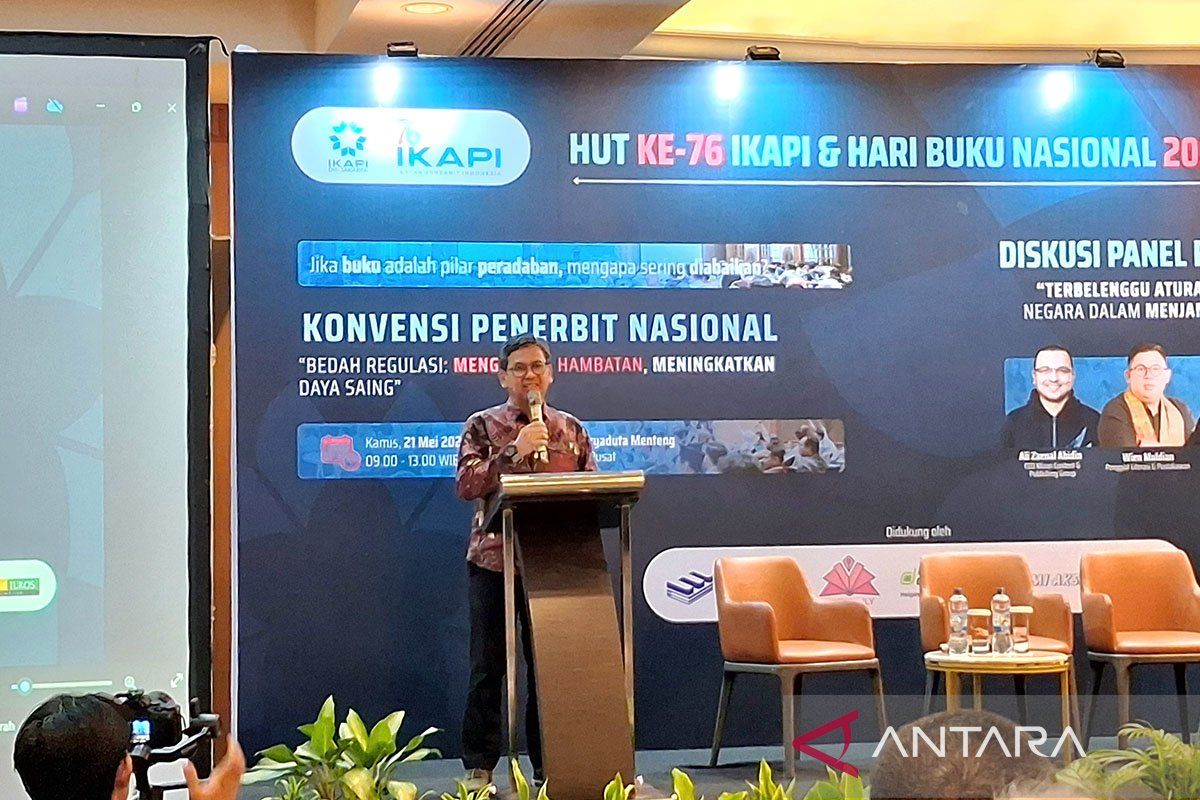
The book industry has so far remained resilient in the face of disruption, particularly book piracy. Therefore Ikapi highlights the need for tougher enforcement against piracy in the context of revising the Book System Law. Jakarta — The Indonesian Publishers Association (Ikapi) calls for tougher action against piracy in revising the Book System Law, given that marketplaces or lokapasars in Indonesia are still breeding grounds for pirated books. “Marketplace and digital platforms are the main beneficiaries of widespread book piracy through online sales. Therefore the Safe Harbour Policy regulation in the Circular Letter (SE) of the Minister of Communications and Informatics Number 5 of 2016 needs to be evaluated, because we need to question whether the protection of marketplaces is still relevant to Indonesia, where the level of book piracy is still high?” said Ikapi chairman Arys Hilman in Jakarta, Thursday. Arys argued the importance of a book convention aimed at producing concrete recommendations for revising the Book System Law, especially related to supporting the industry ecosystem, book distribution, copyright protection, and the business climate for publishing. Ikapi also asks that every new government policy, including licensing and ISBN, take into account the difficult conditions of the book industry so as not to burden publishers further. He said President Prabowo Subianto has shown allegiance to book culture, evident from the habit of buying books and having a large personal library. Several ministers and agency heads are now setting an example by writing books. “The number of Ikapi members has risen from about 1,500 to more than 2,800 publishers over the last five years, showing the book industry still has appeal despite difficult market conditions. Gen Z and Alpha are also becoming new drivers of the literacy culture, because they actively buy books and visit libraries. This is important to support Indonesia’s Golden Vision 2045,” he said. “Budget support for the book sector is still minimal, as seen from cuts to the National Library (Perpusnas) and the Book Publishing Centre. This condition is seen as contrary to the government’s narrative of supporting literacy,” he stated. Arys also assessed that Indonesia risks falling behind Malaysia, Vietnam, the Philippines, and Thailand in literacy development because those countries are more serious about supporting the book industry and reading culture. “Revising the Book System Law and synchronising it with the Copyright Law is important to strengthen protection for publishers and authors against piracy, especially on digital platforms and marketplaces,” he said.