
A Mall Makeover: Retailers Change as Big Stores Begin to Make Way
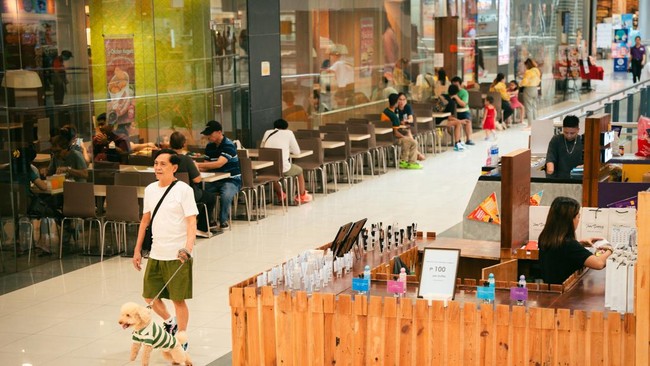
Jakarta, CNBC Indonesia – Shopping centres in Indonesia are beginning to broaden the types of businesses occupying their tenant spaces. Alongside clothing shops and restaurants, malls are increasingly accommodating pet food and accessories, games and places for communities to gather.
Budihardjo Iduansjah, chairman of the Indonesian Retailers and Shopping Centre Tenants Association (Hippindo), said the changes reflect shifting consumer behaviour: people no longer regard malls solely as places to shop.
Consumers are increasingly seeking experiences and entertainment they can enjoy with family and friends, he said. This creates opportunities for tenants offering in-person activities that cannot be replaced by online commerce.
“Retail businesses selling animal food and pet accessories, games and places for communities to gather will grow, as will restaurants and cafés with comfortable seating, good music and an enjoyable atmosphere, as well as entertainment venues such as nightclubs. These things cannot be done online. These are the new tenants today, including karaoke with friends,” Budihardjo told CNBC Indonesia on Wednesday (11 November 2026).
He said the changing concept of malls would also affect the tenant mix. Tenants offering entertainment, beauty services and consumer experiences are expected to expand, while large stores begin to reduce their retail floor space.
“There are now new types of tenants taking up space. Lifestyle and entertainment businesses, as well as beauty services, are all growing. This will reduce the share of hypermarkets; large stores will shrink, but be supported by fast delivery services and large warehouses. Clothing shops that used to be large will become smaller, with warehouses and live shopping. Around 30% will shift online,” he said.
Budihardjo said the shift was taking place because more consumer shopping needs were being met through e-commerce. Meanwhile, activities such as gathering, enjoying entertainment and spending time together still require physical facilities.
“The function of a mall is to bring social beings together offline. Eating is not about the price, but about being together as a family, or gathering and socialising with friends – things that cannot be done online. The same goes for family time watching a film together, browsing goods while chatting, and having coffee. That is how customer behaviour has changed. In the past, people went shopping and then went home; now shopping can be done online,” he said.
Shopping centres therefore need to offer a wider range of experiences to remain a destination for the public. Budihardjo cited concepts such as gardens, mini zoos and aquariums inside malls as facilities that could attract visitors.
“What is missing now is precisely what needs to be strengthened: concepts such as a zoo inside a mall, a garden in a mall, an aquarium in a mall, and perhaps a place where people can take their dogs for a walk. Those things are not available online. This is the direction things are heading in, in keeping with the times,” Budihardjo said.
Alphonzus Widjaja, chairman of the Indonesian Shopping Centre Management Association (APPBI), said shopping centres needed to expand their role beyond commercial activity. Malls should also serve as places where people can interact in person.
“Shopping centres are public facilities that play not only an economic and commercial role, but also other strategic roles, including education, culture, social activities, entertainment and even health, as was evident in the role of shopping centres during the Covid-19 pandemic,” Alphonzus said in a separate interview.
He added that the shift in function was also reflected in the growing share of food and beverage (F&B) tenants. Whereas F&B previously accounted for around 10%, it can now make up 30%–40% of the tenant mix.
“The role of shopping centres as social connection hubs has also changed the composition of food and beverage businesses, whose share has increased. It used to be only around 10%; now it can reach around 30%–40%,” he said.
With an increasingly diverse range of tenants, shopping centres are expected to offer something distinct from online shopping. Malls are required not only to provide goods, but also to create experiences that keep people coming back.
Source: jawawa.id (https://jawawa.id/newsitem/a-mall-makeover-retailers-change-as-big-stores-begin-to-make-way-1794383491)
Originally published by CNBC Indonesia (https://www.cnbcindonesia.com/news/20261111110053-4-784182/bak-ganti-kulit-penghuni-mal-ri-berganti-toko-besar-mulai-tersingkir), translated from Indonesian