
A Look at the Petrol Price Comparison Between Indonesia and Malaysia: Which is Cheaper?
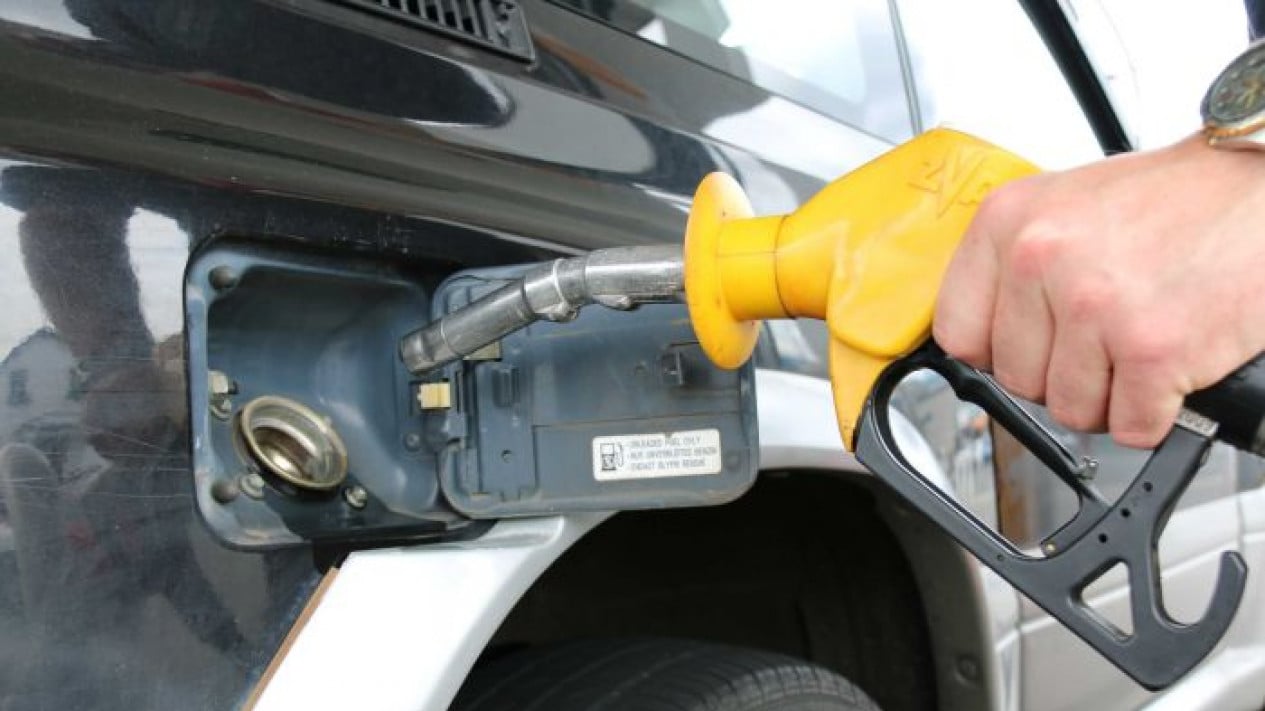
Amid global energy price volatility and the threat of a worldwide supply crisis, a number of countries have opted to adjust fuel prices to ease the burden on state budgets. However, neighbouring Malaysia has taken a different approach. The government there has decided to maintain subsidised fuel prices despite having to disburse a staggering amount of funds each month. Malaysian Prime Minister Datuk Seri Anwar Ibrahim has stressed that he disagrees with raising fuel prices while the country is facing global energy supply pressures. According to him, the government will continue to bear the cost of subsidies to protect the public from the impact of soaring global oil prices. Anwar made the statement while launching the Madani Rakan Muda Programme in Sungai Petani, Malaysia, some time ago. On that occasion, he revealed the large subsidy costs the government has had to bear in recent months. “How much can we cover in a month? Not based on the old allocation, but when oil prices rise, we pay RM5 billion to RM3 billion per month. Then the amount rose to RM7 billion per month, and has now fallen to RM4 billion,” Anwar said, as quoted by The Edge Malaysia. If converted using an exchange rate of approximately Rp4,400 per Malaysian ringgit, the RM7 billion subsidy equates to around Rp30.8 trillion per month. Meanwhile, an RM5 billion subsidy is about Rp22 trillion, RM4 billion is approximately Rp17.6 trillion, and RM3 billion is about Rp13.2 trillion. Anwar explained that the subsidy burden borne by the government would become very large if this situation continued in the long term. According to him, if the government spends RM3 billion in subsidies every month for 10 months, the total funds required would reach RM30 billion, equivalent to about Rp132 trillion. Nevertheless, Anwar believes the government is still able to bear the burden through budget savings and closing financial leaks. He also rejected proposals from some parties asking the government to take on new debt to maintain energy subsidies. “If they ask the government to borrow, I could borrow now. But after I am no longer in charge, our children will have to bear the burden. That is why the solution is not debt, so we do what we are capable of doing,” he said.