
A Laboratory of Thought Within the President's Inner Circle
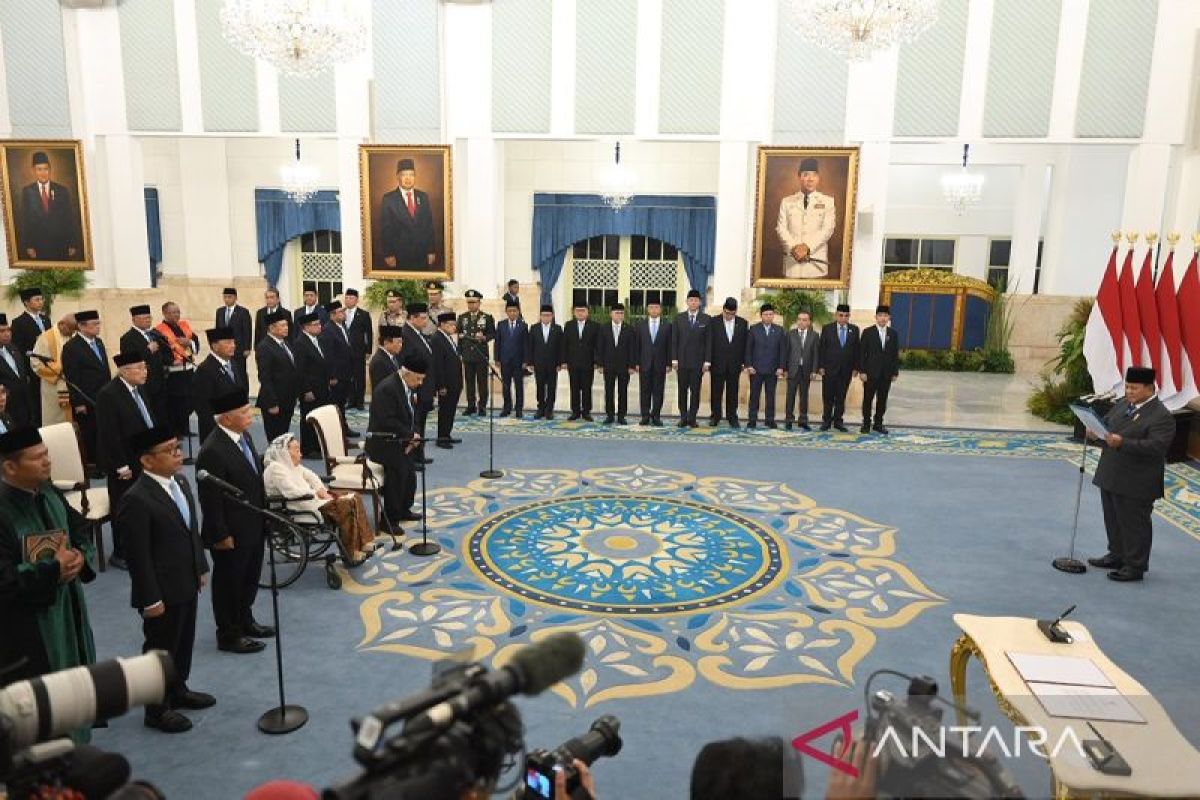
The formation of the latest Presidential Advisory Council (Watimpres) of the Republic of Indonesia, consisting of 26 heavyweight figures, has captured public attention due to its expanded size compared to previous eras.
However, looking at the individuals involved, the backgrounds of the members are extremely heterogeneous, each possessing their own expertise. The State Palace has become a gathering place for a very wide spectrum of figures. It brings together cold technocrats such as Ignasius Jonan, veteran businessmen Chairul Tanjung and Dato’ Sri Tahir, constitutional law observer Margarito Kamis, and even vocal critics who frequently use sharp rhetoric, such as Rocky Gerung.
This formation is further completed by the presence of various interfaith religious figures, ranging from Nahdlatul Ulama intellectuals Quraish Shihab and Sinta Nuriyah Wahid, church leader Jacky Manuputty, to representatives of the Buddhist and Confucian communities.
On paper, this multi-sectoral composition promises a vast supply of ideas. It acts as a laboratory of thought where every executive decision has the opportunity to be tested through a rigorous simulation space before being presented to both domestic and international arenas.
The most palpable implication of having an abundance of experts surrounding the Head of State is the potential shift in the articulation of public policy. President Prabowo Subianto’s leadership style, which tends to be straightforward and relies on a command intuition closely linked to his military career—often expressed through spontaneous macro narratives—now possesses a conceptual safety net.
The inclusion of academics and bold critics into the official advisory structure signals that the Head of State does not mind having an ‘internal opposition’ ready to test the resilience of government ideas. When an economic decision or the drafting of a regulation is scrutinised through the lens of legal governance by senior practitioners, and its social impact is weighed by humanities experts, the risk of fatal errors in communicating political messages to the public can be minimised.
Ideas emerging from the government will no longer be raw, but will have undergone a filtering process that integrates technical calculations, legal boundaries, and sociological sensitivity.
The presence of interfaith leaders plays a crucial role in maintaining a moral compass and aligning national culture. Because national development policies often trigger tensions at the grassroots level due to the neglect of local values and citizen sensitivities, the Palace can capture the pulse of the community more clearly through regular dialogue with religious figures in the advisory council, without being filtered by formal bureaucratic reports that are often far from field realities.
If this is indeed the case, this interactive approach can gradually smooth frictions in public communication, replacing sectoral rhetoric with a calming narrative.
The presence of figures from top-tier corporate and management backgrounds is expected to provide new perspectives on fixing execution fragilities at the operational level. For a long time, grand ideas at the central level have often faltered or caused unrest due to technical negligence in the field.
Cases such as the dynamics of the Free Nutritious Meal (MBG) programme—designed to improve the nutrition of the younger generation but which was previously marred by poisoning incidents in several regions due to weak sanitation oversight in the supply chain—serve as clear evidence of the wide gap between strategic vision and implementation reality.