
A Guide to Single-Layer and Double-Layer UPVC Roofing for Different Buildings
Jakarta (VIVA) – Building roofs in Indonesia continue to face weather challenges, including high temperatures and extreme rainfall. The Meteorology, Climatology and Geophysics Agency (BMKG) recorded a daily maximum temperature of 36.8°C on 24–25 September 2026. Meanwhile, the start of the 2026/2027 rainy season is forecast to be delayed in 529 seasonal zones, or 61.08 per cent of Indonesia, with the peak expected between December and February. These conditions mean that roofing materials need to be chosen with both weather resistance and building comfort in mind.
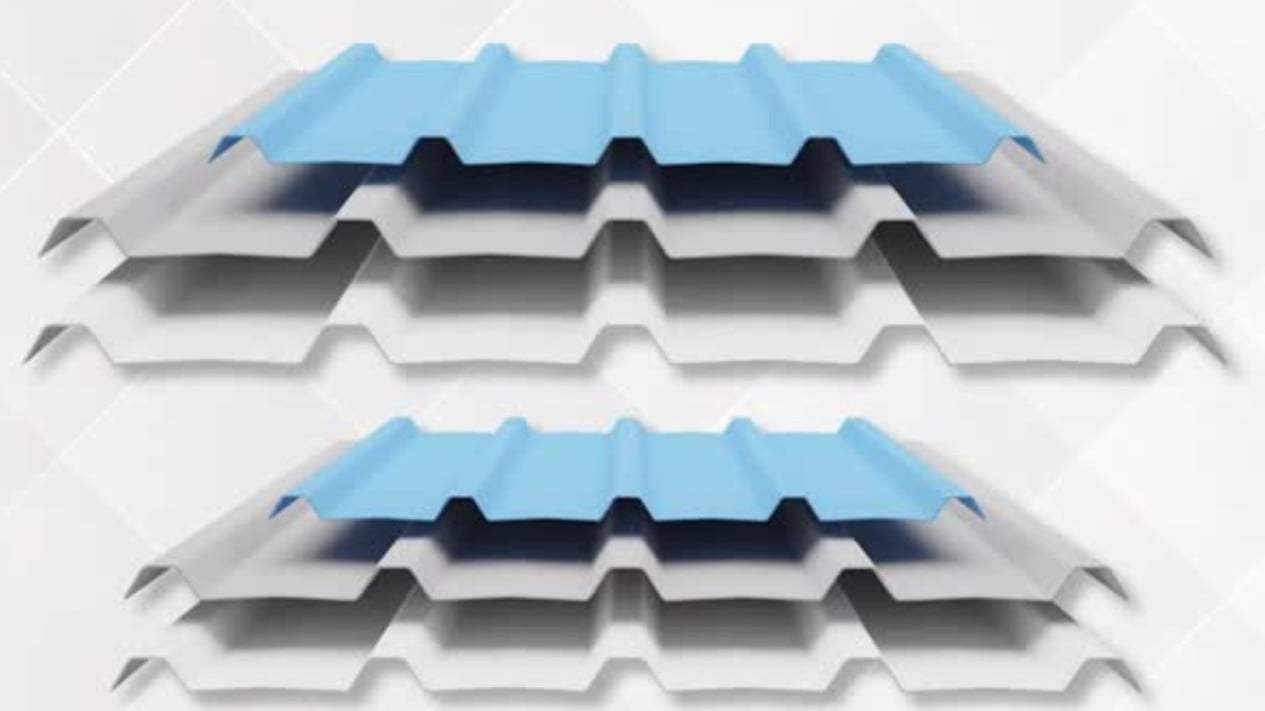
One option is Ecoroof’s single-layer and double-layer UPVC roofing. Both use unplasticised polyvinyl chloride (UPVC), a material that is rust-resistant and offers UV protection. Single-layer roofing consists of lightweight, single-profile corrugated sheets, while the double-layer version has a hollow, twin-wall structure designed to help reduce heat and the sound of rain. Their different constructions make them suitable for a range of building requirements.
Six examples of UPVC roofing applications
UPVC roofing can be used in various buildings, from sports facilities to homes and commercial premises. The choice between single- and double-layer products can be tailored to the area’s size, environmental conditions and specific building needs. Here are six examples of applications.
1. Sports facilities
The popularity of padel has prompted the construction of new courts. As of 23 February 2026, Jakarta had 397 padel courts. Other facilities, including futsal, badminton and tennis courts, as well as swimming pools, also need protection from heat and rain. Double-layer roofing may be considered for the main area because its hollow structure helps reduce the sound of rainfall. Single-layer roofing could be used for walkways and spectator areas.
2. Homes
UPVC roofing can be used in various parts of a home, including the main roof, canopies, carports and terraces. Single-layer sheets are available in grey and white, while double-layer sheets come in light blue, white and grey. The double-layer product also has an interlocking system to secure the joints between sheets. The material’s light weight can make installation easier, although the frame requirements still need to be matched to the roof’s load and pitch.
3. Warehouses and factories
Industrial and warehouse buildings generally have large roof spans, so materials must meet the requirements of the structure. Single-layer ECO TR is available in thicknesses of 1.2mm and 1.5mm, with sheets up to six metres long. These specifications can help reduce the number of joints in some installations. Double-layer roofing, meanwhile, has been used in several projects, including garment and shoe factories. Its hollow structure is also designed to help reduce heat exposure inside buildings.
Source: jawawa.id (https://jawawa.id/newsitem/a-guide-to-single-layer-and-double-layer-upvc-roofing-for-different-buildings-1795441926)
Originally published by VIVA.co.id (https://www.viva.co.id/bisnis/1945831-mengenal-pilihan-atap-upvc-single-layer-dan-double-layer-untuk-berbagai-bangunan), translated from Indonesian