
A Glimpse into the Lives of Juvenile Inmates Shaping Their Futures Behind the Walls of Karangasem LPKA
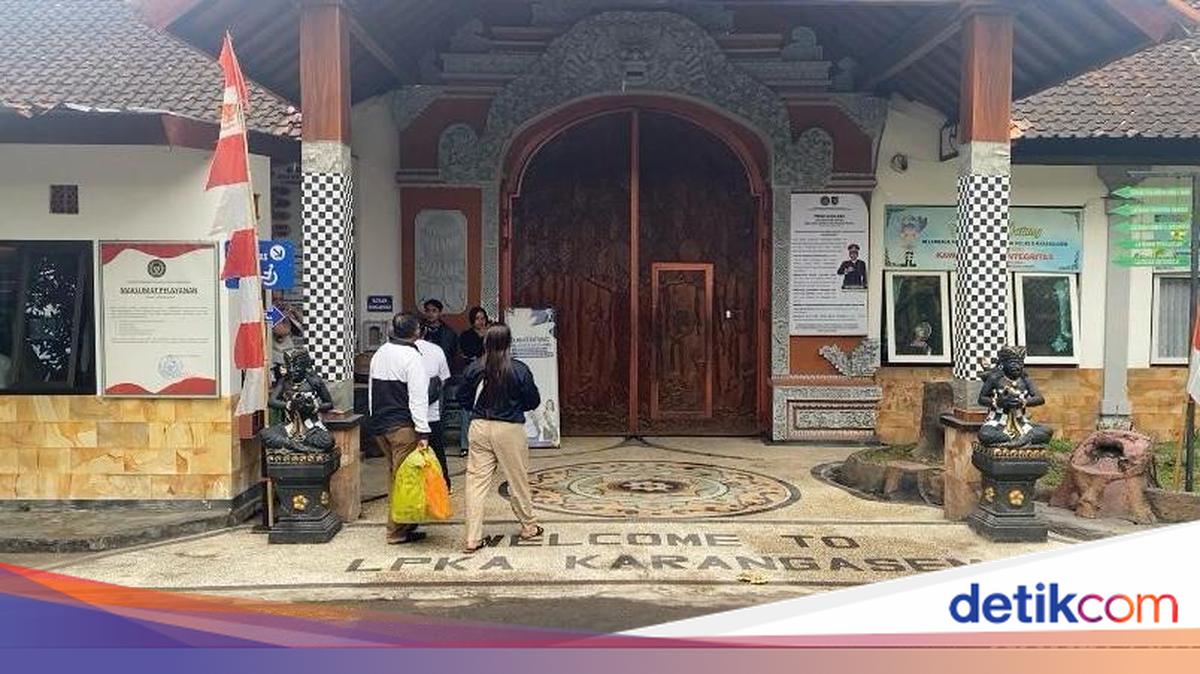
The atmosphere at the Juvenile Special Development Institution (LPKA) Class II Karangasem, Bali, felt different during the National Children’s Day commemoration on Thursday (23/7/2026). Behind the institution’s walls, laughter and emotion mingled as one.
For the 31 children in its care, the day was not merely a ceremony, but a moment to release their longing after finally being able to embrace their parents.
From the morning onwards, cheerful faces brightened the LPKA hall. Beyond the announcement of remissions for five of the children, all residents of the institution were given the opportunity to meet their families in a kneeling-to-beg-blessings (sungkeman) event held specially to mark National Children’s Day.
For some of the children, the meeting was a remedy for long-suppressed longing. Some had been visited only a handful of times during their rehabilitation owing to distance, time constraints and their parents’ busy schedules. Some were visited just once a year.
When the meetings finally took place, several children were seen hugging their parents tightly. Quite a few shed tears.
The emotional atmosphere deepened as the young detainees performed their talents before their families. Some played musical instruments, struck the gamelan, and sang. Applause and proud smiles from the parents accompanied every performance.
One of the children, IBAPJ (17), from Nusa Penida in Klungkung, admitted that his parents had rarely visited him. However, he understood, given the distance and his parents’ workload.
“My parents visit quite rarely. I have been here for a year, and my parents have only visited five times,” said IBAPJ on Thursday (23/7/2026).
Despite rarely seeing his family, the teenager, who is serving a sentence for a sexual offence, said he continued to make the most of his days by joining various rehabilitation activities, from the Kejar Paket C education programme to vocational training.
“I am grateful that today my parents came and witnessed me receiving remission directly,” he said.
Behind the activities, LPKA Karangasem ensures that all children in its care continue to receive their right to education. The head of the Rehabilitation Section at LPKA Class II Karangasem, Putu Yogi Hithawati, said all learning needs, from uniforms to school equipment, are provided by the institution. At present, however, LPKA Karangasem only facilitates the Kejar Paket B and C non-formal education programmes.
“Everything related to their education, including uniforms and equipment, we provide here. We want them to receive a proper education, even if limited to the Kejar Paket programme,” said Yogi.
According to her, learning activities are held twice a week. Beyond formal education, the children also take part in various vocational training courses, such as barista work, catering, hairdressing, music, and Balinese percussion arts.
However, the training is still hampered by limited facilities and infrastructure. LPKA Karangasem has therefore been coordinating with several foundations and private parties to help provide training equipment.
“As for trainers, there are actually several who have applied, but again, our equipment is still insufficient,” she said.
Besides studying and attending training, the children also regularly take part in gardening, sport, singing and other positive activities. According to Yogi, these activities aim to build self-confidence and shape the children’s character so they are ready to return to society.
“I happen to run a culinary business in Denpasar, and two of my employees are former LPKA residents. They have been with me for several years and have never done anything wrong,” said Yogi.
Source: jawawa.id (https://jawawa.id/newsitem/a-glimpse-into-the-lives-of-juvenile-inmates-shaping-their-futures-behind-the-walls-of-karangasem-lpka-1784796739)
Originally published by detikBali (https://www.detik.com/bali/berita/d-8587003/melihat-kehidupan-anak-binaan-menata-masa-depan-di-balik-jeruji-lpka-karangasem), translated from Indonesian