
A Financing Ecosystem for Industrial Decarbonisation
Industrial decarbonisation could give Indonesia an opportunity to lead the development of low-carbon industries in the region.
Jakarta (ANTARA) – National industrial decarbonisation faces challenges ranging from the need for low-emission technologies to the high investment costs manufacturers must bear.
To address these issues, a Green Industry Service Company (Gisco) is being prepared as a financing bridge linking industrial players, technology providers and financial institutions to accelerate the transition to green industry.
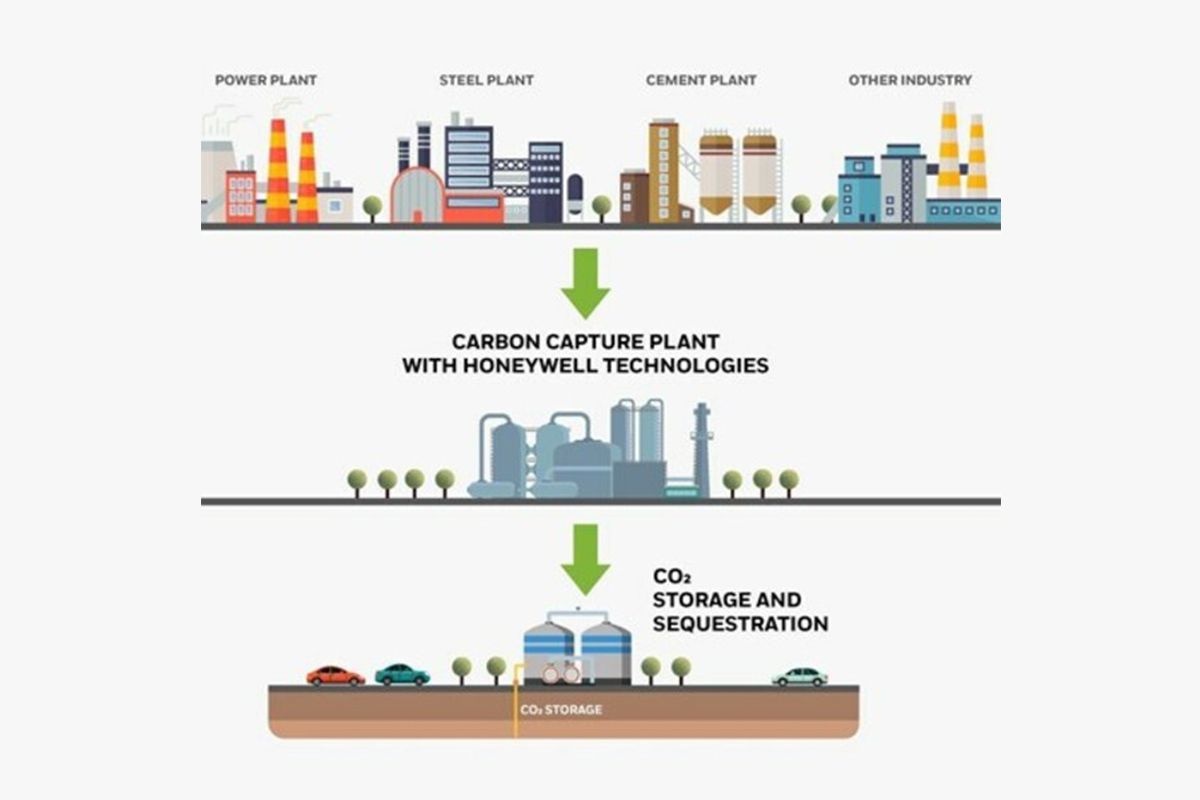
The initiative, developed by the Ministry of Industry, is becoming increasingly relevant as the adoption of carbon capture and utilisation (CCU) technology is encouraged.
The technology has been piloted at PT Petrokimia Gresik and is reported to have reduced carbon dioxide emissions by more than 95 per cent, while also producing economically valuable by-products.
As well as reducing emissions, the technology could produce soda ash, an industrial raw material that Indonesia still relies on imports for. The government is also preparing an incentive scheme for companies that install the technology.
This drive shows that decarbonisation is not only about cutting emissions; it also creates opportunities to improve efficiency, develop new products and strengthen industrial competitiveness.
However, adopting the technology requires substantial investment. The proposed mechanism is therefore expected to play a strategic role in connecting industry’s needs with suitable financing sources and technological solutions.
For industries with high energy requirements and narrow operating margins, investment costs are a major consideration.
The initiative is designed to bridge this gap by creating an ecosystem that connects financial institutions, technology providers and industrial players.
The Ministry of Industry has initiated Gisco’s development with support from the World Bank in the form of advisory assistance, concessional loan commitments and grants.
The initiative has also been included in the National Development Planning Agency’s Blue Book and is targeted for launch in the second half of 2026.
Such a mechanism matters because the benefits of decarbonisation are not always immediately apparent. Before making a decision, companies must weigh the costs of installing equipment and adjusting production processes, as well as the certainty of a return on investment.
Affordable financing is therefore a key factor in ensuring that green industry policies can be implemented more widely, particularly in sectors with high emissions intensity.
One example of low-carbon technology in Indonesia is the CCU pilot project at PT Petrokimia Gresik, developed in collaboration with technology providers from Japan and Taiwan.
The technology is also projected to enable Petrokimia Gresik to produce up to one million tonnes of soda ash a year. This output could replace imports and generate additional revenue of about US$200 million, or Rp3.6 trillion, annually.
This economic potential shows that carbon capture and utilisation technology can go beyond serving as equipment to meet environmental targets. Captured carbon can be used as part of a production process that generates added value.
Its application could also be extended to the cement, chemicals, steel and ceramics industries, as well as other sectors that produce large volumes of carbon dioxide emissions.