
A Drop of Breast Milk That No Laboratory Can Replicate
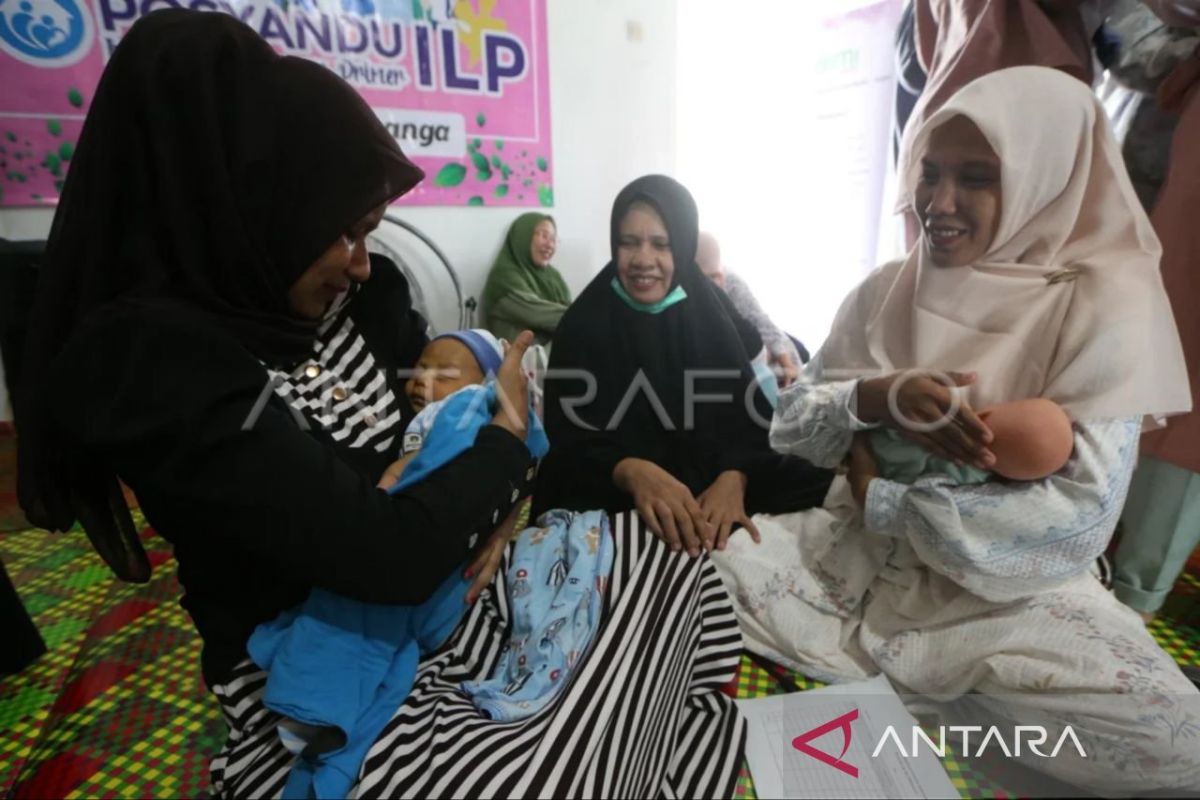
Breast milk is not merely ‘food’, but a ‘living substance’ produced by a mother’s body to meet her baby’s needs.
Jakarta (ANTARA) – On 21 May 2026, the Indonesian Pediatric Association (IDAI) sent an open letter to National Nutrition Agency (BGN) Chief Dadan Hindayana and his three deputies.
The letter from IDAI’s Breastfeeding Task Force and Metabolic Diseases Nutrition Subspecialty Unit was no ordinary communication. It formally objected to the distribution of infant formula in the Free Nutritious Meals (MBG) programme, which IDAI believes could jeopardise the success of exclusive breastfeeding in Indonesia.
The opening statement of the letter was clear: millions of Indonesian infants and children cannot speak for themselves, so paediatricians feel compelled to voice their concerns. The core issue is that mass distribution of formula without medical checks or indications could lead Indonesian mothers to stop breastfeeding earlier than necessary.
IDAI cited Law No. 17 of 2023 on Health and Government Regulation No. 28 of 2024, both stipulating that formula should only be provided upon a doctor’s recommendation for specific medical reasons. Infant formula is classified as special dietary food, not a general commodity like rice or eggs that can be freely distributed. According to IDAI, the Ministry of Health has already issued two official warnings to BGN over the matter.
BGN responded swiftly. Dadan Hindayana stated that the MBG programme does not provide infant formula for children aged 0-6 months to protect exclusive breastfeeding. The only options available are follow-on formula for 6-12 months and growing-up formula for toddlers 1-3 years, provided there is a recommendation from a nutritionist, midwife, or local health clinic. Deputy Chief Sony Sonjaya reiterated this, confirming no formula intervention for infants under six months.
On the surface, the disagreement between IDAI and BGN appears to be about implementation rather than principle. However, paediatricians argue that policy loopholes remain dangerous without strict on-the-ground controls.
Breast milk is not merely food.