
A Diplomatic Network Tested in the Strait of Hormuz
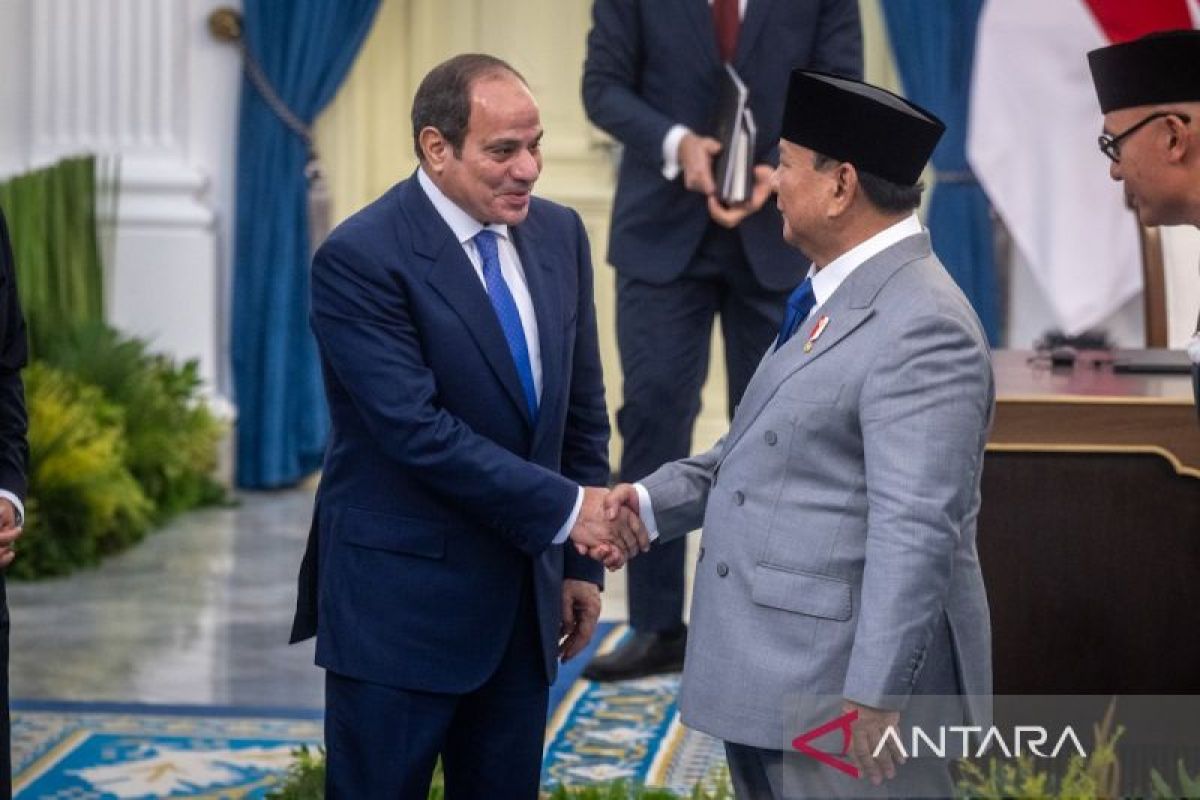
Jakarta (ANTARA) – In mid-April 2026, President Prabowo Subianto sat face to face with Russian President Vladimir Putin at the Kremlin in Moscow. Their discussion was far from mere diplomatic pleasantries: it focused on crude oil and LPG.
Since March, the Strait of Hormuz has been closed amid the conflict in the Middle East. As a result, Indonesia has lost access to a fifth of its crude oil and LPG supplies. The Kremlin meeting led to an expansion of long-term energy supply cooperation, including crude oil and LPG reserves. A day later, Energy and Mineral Resources Minister Bahlil Lahadalia met his Russian counterpart to work out the follow-up arrangements.
The visit can broadly be described as a tactical manoeuvre at a critical moment, as global oil prices surged due to reduced supply. Viewed in retrospect, however, it is better understood as the result of much longer-term work.
President Prabowo’s visits to various countries during the 23 months of his administration have not been isolated events. Each is a link, and the quality of a network is tested precisely when one of its strands breaks. Through this lens, the clearest way to assess two years of diplomatic activity by President Prabowo Subianto and Vice-President Gibran Rakabuming Raka is as an effort to weave a network.
Weaving the links
The first link was forged in early 2025. On 6 January, Indonesia was officially admitted as a full member of BRICS. Prabowo made his debut at the Rio de Janeiro summit in July 2025. He returned for the 18th summit in New Delhi in September 2026, carrying a message about food and energy self-sufficiency.
The membership prompted questions about whether Indonesia was turning away from the West. The answer came at the negotiating table. On 23 September 2025 in Bali, Indonesia and the European Union signed the substantive conclusion of the IEU-CEPA negotiations, after almost a decade of talks. In time, 80 per cent of Indonesian exports to Europe are expected to benefit from zero tariffs, with the agreement targeted to take effect on 1 January 2027.
Source: jawawa.id (https://jawawa.id/newsitem/a-diplomatic-network-tested-in-the-strait-of-hormuz-1792378255)
Originally published by Antara (Indonesian) (https://www.antaranews.com/berita/5795709/jaring-diplomasi-yang-teruji-di-selat-hormuz), translated from Indonesian