
A Decade After Arbitration Ruling, South China Sea Dispute Remains Unresolved
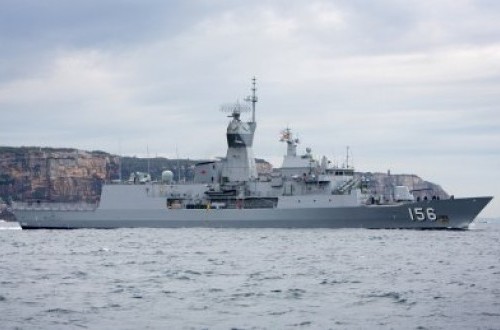
Maintaining regional stability must be a top priority for ASEAN nations, marking a decade since the South China Sea (LCS) arbitration ruling was announced in 2016. South China Sea Council member Anak Agung Banyu Perwita stated that developments over the past ten years indicate the arbitration ruling has not yet become a final solution for resolving disputes in the LCS. This is because the regional security dynamics have become increasingly complex. “The main challenge now is no longer debating the arbitration ruling, but rather how countries in the region can build a more mature, inclusive, and sustainable governance mechanism,” Banyu said in a press statement in Jakarta on Tuesday (14/7/2026). He explained that tensions in the LCS persist, marked by increased maritime law enforcement activities, patrols, fisheries surveillance, and disputes over maritime features, exclusive economic zones, and resource exploration. Furthermore, Banyu noted that strategic competition among major powers is further shaping the increasingly complex regional security landscape. He mentioned that the strengthening of defence cooperation, including increased joint patrols and military exercises, can enhance the defence capabilities of several countries on one hand. On the other hand, it risks deepening the security dilemma, a situation where one state’s measures to improve its security are perceived as a threat by another, thereby fuelling an arms race and increasing distrust. According to Banyu, the arbitration ruling has not yet become a political foundation accepted by all parties involved in the dispute. “Differences in views regarding the legal implications, scope of application, and settlement mechanisms mean the political influence of the ruling remains limited,” Banyu said. Therefore, resolving the LCS issue still requires diplomacy, crisis management, and sustained regional cooperation. Banyu added that Indonesia has a vested interest in maintaining regional peace and stability, given that it is not a party to the LCS arbitration case.