
A Cup of Coffee, Honey, and the Story of a Tourism Village Driving the Economy of Simalungun Residents
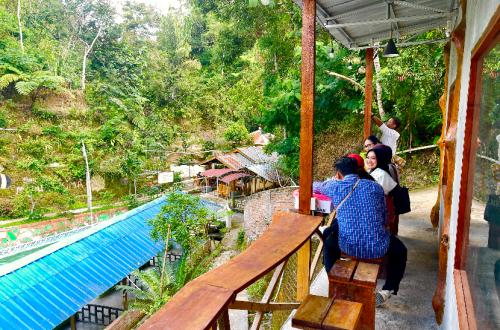
The aroma of freshly brewed coffee greets every visitor descending the steps towards Takoma Café in Sait Buttu Saribu Tourism Village, Simalungun Regency, North Sumatra. From its veranda, a spread of green trees, a small pool where children play, and a honey bee breeding area form a landscape that shows how tourism and the village economy grow side by side.
The café is not merely a place to enjoy coffee. On the lower floor, coffee beans harvested by local farmers are dried before being processed into drinks served to visitors. Not far away, the Takoma Honey Bee Breeding Tourism Education Area invites tourists to learn about stingless bee cultivation, from viewing the bee houses and the honey harvesting process to tasting the produce directly from the breeders.
Amid these activities, the laughter of children can be heard from the small pool that serves as one of the family attractions. This simple atmosphere makes the tourist area feel alive. Visitors come not only to enjoy nature, but also to see how the community manages the village’s potential into a source of livelihood.
All these activities are interconnected within a single economic ecosystem. Tourists who buy a cup of coffee help drive the business of local coffee farmers. Those who take honey home help boost the income of bee breeding groups. Meanwhile, the existence of the tourism village opens opportunities for tourism awareness groups (Pokdarwis), micro, small and medium enterprises (UMKM), and residents providing various supporting services.
This ecosystem did not grow overnight. Since 2020, Bank Indonesia, through its Pematangsiantar Representative Office, has been accompanying the community through the Bank Indonesia Social Programme (PSBI). The assistance targets not just one business, but builds various mutually supporting economic groups.
Anton Pitono, Head of Bank Indonesia’s Communications Department Group, said the approach used was to build an ecosystem rather than simply help a single business.
“What we are building is not just individuals. There is the honey group, the coffee farmers, the tourism awareness group. We combine them all into one so that when this location becomes a tourist destination, our friends here can make optimal use of the economic opportunities,” Anton said in Sait Buttu Tourism Village over the weekend.
According to him, the assistance began with strengthening the foundations of the community’s businesses. For the bee breeding group, for example, Bank Indonesia helped build breeding houses, provided production equipment, and delivered capacity-building training for managers.
The mentoring also involved bringing in beekeeping researchers and practitioners from various regions, including Jember, to share knowledge on cultivation techniques, improving honey quality, and business management.