
A Comprehensive Guide to Tarwiyah and Arafah Fasts in 2026: Intentions, Timetable and Virtues
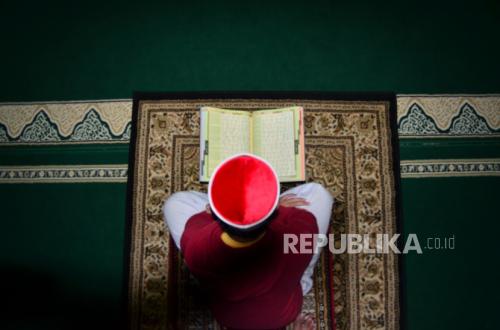
The month of Dzul Hijjah returns with abundant blessings. For Muslims who have not had the opportunity to perform the Hajj in the Holy Land, observing the Sunnah fasts Tarwiyah and Arafah becomes a golden moment not to be missed. These two fasts are not only of great reward but also a means of forgiving sins—past and future.
Below are the intentions for the Sunnah fasts Tarwiyah and Arafah and their merits.
Intention for Tarwiyah fast:
نَوَيْتُ صَوْمَ تَرْوِيَةَ سُنَّةً لِلّٰهِ تَعَالَى
Nawaitu shauma tarwiyata sunnatan lillahi ta’ala/
I intend to observe the Tarwiyah Sunnah fast for Allah the Exalted.
Intention for Arafah fast:
نَوَيْتُ صَوْمَ عَرَفَةَ سُنَّةً لِلّٰهِ تَعَالَى
Nawaitu shauma arafata sunnatan lillahi ta’ala
I intend to observe the Arafah Sunnah fast for Allah the Exalted.
In a hadith, it is reported that the Sunnah fasts Tarwiyah and Arafah can expiate sins for the one who observes them. However, the majority of eminent scholars hold that what is forgiven are only minor sins.
“Fasting on Tarwiyah Day can erase sins for a year. Fasting on Arafah Day can erase sins for two years.” (Hadith from Abu Shuaykh Al-Isfahani and Ibn an-Najar). “Fasting on Arafah (the 9th of Dzul Hijjah) can erase sins of the past year and the coming year.” (Hadith from Muslim). According to the majority of scholars, the sins forgiven are those of minor sins. (An-Nawawi, Sharh Muslim). Engaging in virtuous deeds such as fasting in the month of Dzul Hijjah also has virtue, as this hadith suggests.