
A Century of Steam at Kamojang and Misconceptions About Geothermal Energy
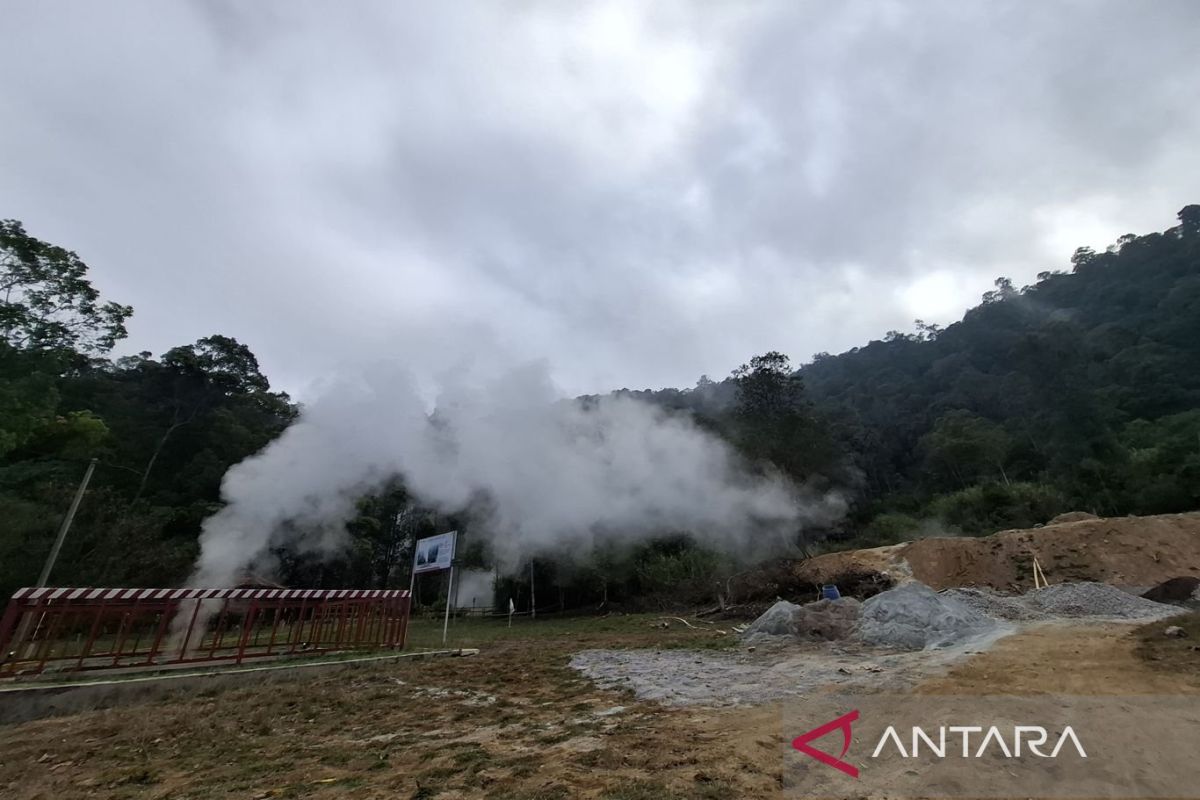
Kamojang has a hundred years’ worth of lessons for anyone wishing to study geothermal energy management.
Bandung (ANTARA) — On Monday, 19 October 2026, hundreds of residents from various regions gathered in the courtyard of the Semarang Regency Legislative Council office in Ungaran. They opposed plans for geothermal power plants (PLTP) on Mount Ungaran and Mount Telomoyo.
They also called for geothermal exploration to be halted throughout Indonesia.
Three days earlier, the local branch of Nahdlatul Ulama (PCNU) had called for similar plans in the Gedongsongo and Sepakung areas to be reviewed, citing concerns about springs, farming and tourism.
In Tasikmalaya, cultural figures have voiced opposition to proposals to develop geothermal energy on Mount Galunggung.
Meanwhile, on the hills along the border between Bandung and Garut regencies, the five Kamojang geothermal power plant units continue to turn their turbines using steam from beneath the earth. The first unit began operating in 1983. Its first well, KMJ-3, was drilled by the Dutch colonial government in 1926 and still emits steam today.
Tina Talisa, a special adviser to the Vice-President on community economic empowerment and social development, said geothermal energy’s problems today are largely rooted in a lack of understanding. When the government issues geothermal permits, opposition voices—many from non-personal social media accounts—tend to dominate online discussion.
The list of fears is long: water shortages, earthquakes, volcanic eruptions, deforestation, depleted reservoirs, waste, toxic gases and large pipes considered frightening. Tina said some of these concerns are misconceptions that scientists need to address in language the public can understand.
Two layers of water
The most common concern raised in opposition to geothermal power plants is that wells will dry up.
ITB geology professor Lambok Hutasoit explained that the groundwater used by communities lies in aquifers close to the surface, generally down to a depth of about 300 metres. Geothermal fluids, by contrast, are held in much deeper reservoirs, usually separated from the aquifers by an impermeable cap-rock layer.
Well construction is designed to maintain that separation. At Kamojang, production wells reach depths of 1,500 to 2,500 metres.
The upper section is lined with solid pipe and cemented specifically to prevent cold groundwater from entering: cold water lowers the fluid’s temperature and reduces turbine efficiency. The wells are also not as wide as some people imagine; they measure at most about 30 inches, or 75 centimetres, across at the top and narrow further down.
The reservoir fluid comes from rainwater that seeps into the earth over a period of decades.
After driving the turbines, the steam is cooled in cooling towers and reinjected through wells as deep as the production wells. This closed cycle is what has enabled Kamojang’s power-generation steam source to last so long.
Kamojang now manages 98 wells: 64 production wells, nine injection wells, 16 monitoring wells and nine that are no longer in use. Drilling mud and cuttings are collected in ponds; some are reinjected, while some are processed into building materials.
Because the reservoir depends on rainwater infiltration, developers have a direct interest in protecting the forest above it. Professor Lambok and his team mapped the recharge area at the neighbouring Wayang Windu field, at elevations of around 1,300 to 1,600 metres. Their findings have been submitted to the local government so the area can be protected.
Source: jawawa.id (https://jawawa.id/newsitem/a-century-of-steam-at-kamojang-and-misconceptions-about-geothermal-energy-1792554746)
Originally published by Antara (Indonesian) (https://www.antaranews.com/berita/5801057/seabad-uap-kamojang-dan-salah-paham-soal-panas-bumi), translated from Indonesian