
A Century After Rarud Batur: Preserving Ancestral Wisdom Amid Modern Threats
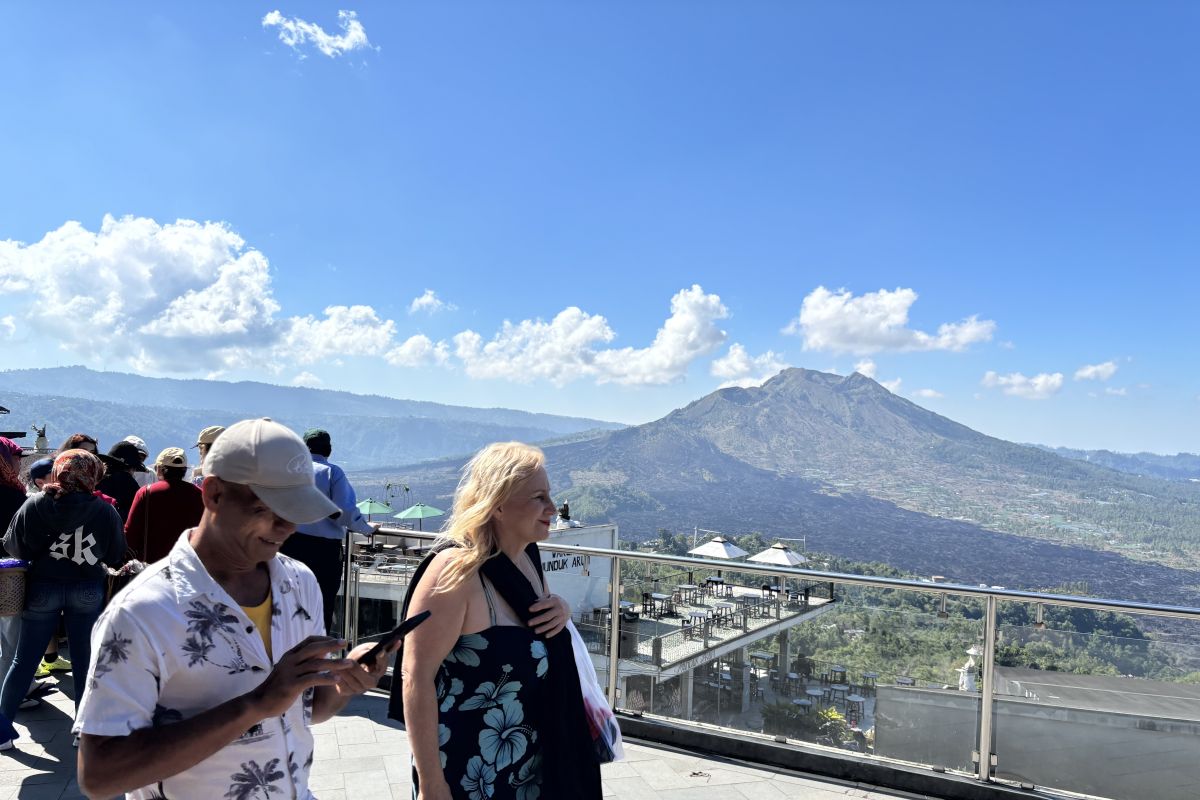
One hundred years ago, lava incinerated Batur Village at the base of the Mount Batur caldera in Bali. Thousands were forced to flee and relocate their civilisation to the cliff edge in an event remembered as Rarud Batur 1926. The mass exodus taught the local people how to survive nature’s fury. Today, the greatest threat in the land of Batur is no longer the rumble of the volcano’s belly, but the roar of construction machinery and the onslaught of investment. A century ago, the ancestors of Batur demonstrated their intelligence. Rather than languishing for a long time, they immediately built a new village and new temples on higher ground, becoming the Batur seen today. Various economic potentials were born alongside the birth of the area’s new landscape. One hundred years after the exodus, the resilience of the Batur people is being tested once more: will their land remain the property of the residents who care for it, or will it slowly change hands for tourism?
According to records by Senior Adat Secretary of Batur I Ketut Eriadi Ariana, in 1926, his ancestors’ settlement was destroyed by an unimaginably powerful eruption. From early August to September of that year, Mount Batur spewed molten lava, forcing residents to evacuate and gather everything that could still be saved. Remarkably, they still thought to rescue all the statues from the old Ulun Danu Batur Temple; gongs, pralingga, the Rajapurana Inscription, and one sacred building structure, Jero Agung, which is now safe in the current Ulun Danu Batur Temple. “Mreren dumun, tyang kari metaki-taki,” was likely the plea shouted by residents to the creeping lava at the time. They begged the lava to stop for just a moment, as they needed to retrieve the objects from the temple. Seeing their village flattened by lava did not make the residents of Batur Village give up. A sense of solidarity made them resilient in building a new village, new temples, with a completely changed landscape.
The trial of the eruption gradually turned into an economic opportunity. They struggled through the challenges of change, losing not a few of their possessions. In the early years after the exodus, the native Batur residents struggled to cultivate plants that could not survive due to the lava deposits. They also continued to witness eruptions, albeit on a smaller scale. To support the family economy, the most promising job at the time was ngalu, selling cloth. Batur residents traded not only in Bangli Regency but throughout the corners of Bali. Ngalu gradually became a tradition. Balinese society recognises the travelling merchants as originating from Batur, even though they no longer travel by horse-drawn cart as they once did. From market to market, the service sector developed. The intelligence of Batur’s ancestors succeeded in developing the potential of the volcano that had devastated their village. Now, various services are offered by residents to tourists, such as trekking and geopark tours. Thousands of people come daily to see and explore the dramatic black lava landscape, an earth park combining geological, biological, and cultural diversity. Residents are also grateful that the natural weathering process of the lava rocks gradually made their soil rich in nutrients and minerals. Various flora thrive there, from Kintamani Arabica coffee and oranges to expanses of horticulture that now support thousands of Batur family kitchens. Another ancestral intelligence was utilising broken lava stones as building and architectural material. In this regard, Batur residents are not greedy, as the material blessings flow abundantly beyond the core of Batur, benefiting many people. The fruits of the exodus 100 years ago did not stop there. Imagine if the ancestors of Batur had not moved to the highlands; today, the luxury coffee shops along the cliffs might not be able to sell a cup of milk coffee for Rp50,000.
The residents’ initiative to develop tourism through coffee shops eventually brought a new challenge: the influx of business operators from outside the region who are ‘exiling’ themselves to Batur. This reality brings a dual impact: opening economic opportunities while triggering a dilemma for the preservation of living space. On one hand, the presence of investment has a positive impact on local residents. The Batur community is not merely a spectator on their own land but actively manages several cafes and tourism businesses to support their livelihoods. On the other hand, the entry of outside business operators, including foreign investment, brings serious challenges related to spatial planning and land ownership, such as land disputes and sacred areas. Many important sites, temples like Pura Pasar Agung Batur and Pura Jati, and the zero point of Purwa Mandala of the Batur Traditional Village are now located within the Taman Wisata Alam (TWA) area managed by the state or on private property. The role of the traditional village is also limited in filtering incoming investment. Often, large-scale businesses or collaborations proceed without coordination with the indigenous community. “Until now, our involvement when investment comes in is still very limited. We in the traditional village are almost unaware that there is foreign investment entering our territory,” said Penyarikan of the Batur Traditional Village, I Wayan Asta. The Batur community realises that protecting the environment without clear economic incentives is difficult. Therefore, the key to facing modern challenges is not absolute rejection, but fair collaboration. The spirit to maintain this intelligence in facing eruptions and meeting investment challenges is sought in the commemoration of the 100th Anniversary of Rarud Batur. Jero Penyarikan Duuran Batur I Ketut Eriadi Ariana reminded that this 100-year moment is not merely a nostalgic celebration, let alone a ceremonial party. More than that, it is an effort to knock on the collective memory of the younger generation so they do not forget their roots.
Source: jawawa.id (https://jawawa.id/newsitem/a-century-after-rarud-batur-preserving-ancestral-wisdom-amid-modern-threats-1785319021)
Originally published by Antara (Indonesian) (https://www.antaranews.com/berita/5670997/seabad-rarud-batur-merawat-kecerdasan-leluhur), translated from Indonesian