
99 Per Cent of Disaster-Affected Areas Now Clear of Mud
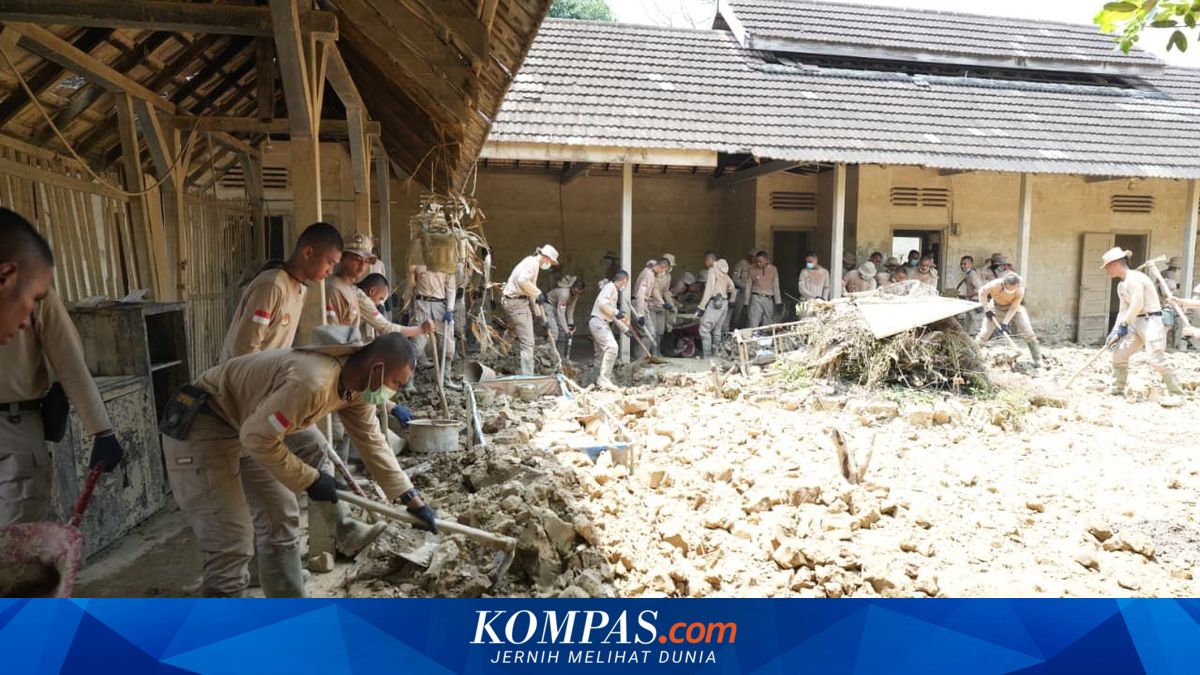
Efforts to clear mud from areas affected by hydrometeorological disasters in Aceh, North Sumatra, and West Sumatra are nearing completion.
As of 12 May 2026, the Task Force (Satgas) for the Acceleration of Rehabilitation and Reconstruction (PRR) Post-Disaster in Sumatra recorded that 690 out of a total of 691 mud removal targets had been completed, reaching 99.86 per cent.
Based on data from the PRR Task Force, all mud removal targets in Aceh and West Sumatra have been 100 per cent completed. Meanwhile, in North Sumatra, the cleaning process only leaves one location that is still being handled.
Mud removal is one of the crucial steps in accelerating the recovery of affected areas, especially to restore community activities, reopen access to settlements, and accelerate the economic recovery of residents after the disaster.
The Spokesperson for the PRR Task Force, Amran, said that the mud removal process in most of the affected areas had shown significant results and was nearing completion.
According to him, almost all areas previously covered in mud have now been cleaned so that people can gradually resume their activities.
“In West Sumatra, all points have been completely cleaned. In North Sumatra, there is only one location left that is still being handled,” said Amran at a press conference in Jakarta on Wednesday (6/5/2026).
In Aceh, the mud removal process was carried out massively in various affected areas such as Aceh Tamiang, East Aceh, North Aceh, Pidie, and Bireuen. Aceh Tamiang Regency became the area with the largest number of cleaning targets, reaching 259 locations and all have been completed.
The PRR Task Force also involves various elements to accelerate the handling process in the field.
One of them is by deploying cadets from the Institute of Domestic Government (IPDN) who were deployed in three waves to help with mud removal in Aceh Tamiang.
In addition, the PRR Task Force also implemented a cash for work scheme by involving local communities in the cleaning process.
The scheme not only accelerates the handling of mud material but also helps affected communities earn income during the recovery period.
With fewer locations still covered in mud, social and economic activities of residents in various affected areas are now starting to return to normal.