
98 Resolution Network Highlights National Destabilisation Efforts, Points to Three Axes
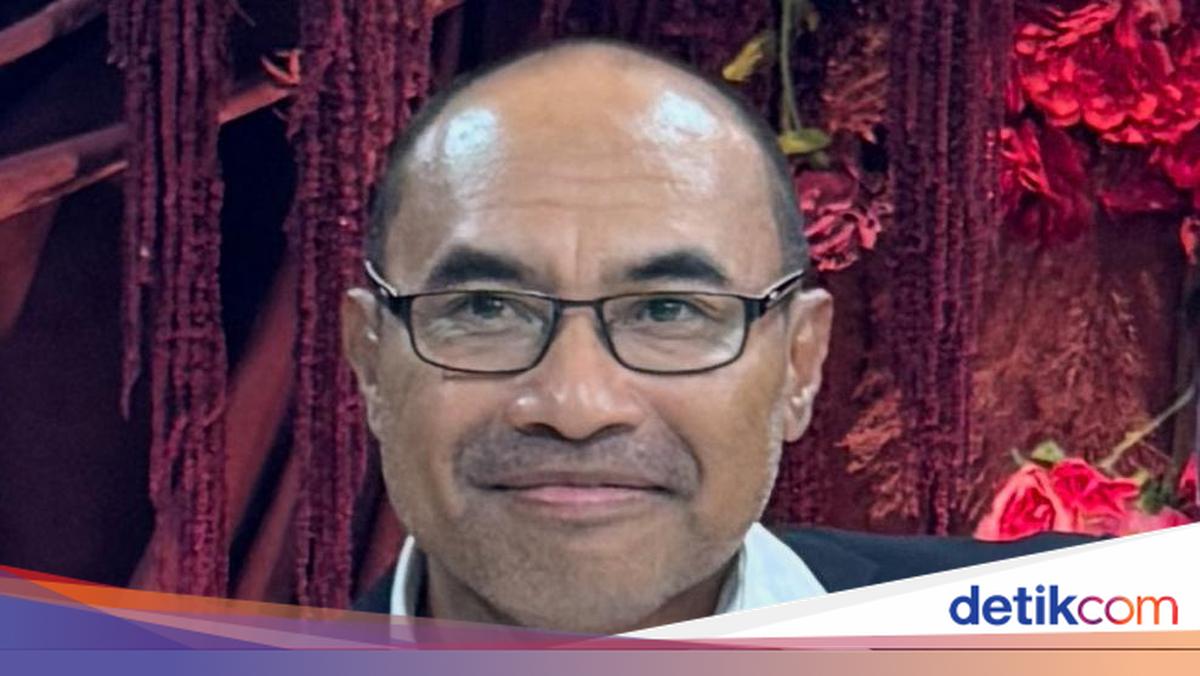
98 Resolution Network initiator Haris Rusly Moti believes the current national economic conditions stem from a destabilisation attack campaign. Haris stated there are three axes behind the national destabilisation campaign. “We are facing a warfare being waged silently and covertly. We assess the JCI volatility and the weakening of the rupiah exchange rate as a coordinated destabilisation attack,” Haris Rusly Moti told journalists on Wednesday. Haris assessed taglines such as ‘sale Indonesia’, ‘1998 redux’, ‘dump the rupiah’, ‘dark Indonesia’, and others as forms of coordinated destabilisation attacks aimed at eroding public and market confidence in the progressive policies of President Prabowo Subianto. Haris said the coordinated destabilisation campaign aims to drive currency depreciation, weaken the Jakarta Composite Index (JCI), and trigger capital flight expected to deplete foreign exchange reserves. According to Haris, the attack is obsessed with recycling the 1998 Reformasi events, thus triggering political turmoil through engineered economic shocks. Haris is confident a 1998 recycling or redux will not occur. The reason is that in 1998 the geopolitical map was still unipolar, with the United States as the sole ruler or sun, whereas it is now multipolar. In the 1998 era, multilateral institutions like the IMF, World Bank, and WTO were powerful enough to dictate every country’s policies. However, multilateralism has now been dismantled by US President Donald Trump following the collapse of the Washington Consensus. Haris said there are three axes of power disadvantaged by Prabowo’s progressive policies. According to him, they are certainly behind the coordinated attack and destabilisation campaign. “In our view, the national ‘serakahnomic’ oligarchy is greatly disadvantaged by President Prabowo’s policies. Then there is the axis of multinational corporations and actors. Next, it is an open secret, one of our neighbouring countries, a small country that lives and grows wealthy from sheltering dirty money from the plunder of Indonesia’s wealth and natural resources. This small country is certainly greatly harmed by President Prabowo’s policies,” Haris said. “The fate of our nation, since the old forms of colonialism and imperialism, has always been the object of ignorance and being pitted against one another by small countries and greedy corporations or evil companies of the past,” he continued. Haris assessed several of Prabowo’s policies that disadvantage and dismantle the wealth of these three serakahnomic axes, including the establishment of the Danantara, land seizures by the PKH Task Force, the controlled foreign exchange policy for natural resources requiring proceeds to be parked domestically for one year, the formation of Danantara Sumber Daya Indonesia, food self-sufficiency that harms import cartels, to corruption eradication and the seizure of money and assets belonging to the ‘serakahnomic’ group. “When President Prabowo established Danantara to strengthen SOEs, they intrigue it as ‘state capitalism’. When President Prabowo secures our wealth and natural resources with the DHE natural resources policy, their intrigue frames it as a policy that distorts the market,” Haris continued. Haris assessed the three ‘serakahnomic’ axes are also cornering the efficiency and reallocation of the state budget for welfare equity as unproductive and wasteful policies. In their eyes, Haris said, building people’s schools, providing free nutritious meals to students, building fishing villages, and fertiliser subsidies are seen as ‘budget burning’ policies. “Therefore, in our view, honest and independent government critics and student movement groups also need to carefully observe the current situation. Do not be too naive and innocent in assessing the current situation, as if it is solely a natural market response to the President’s policies or solely due to systemic fiscal and monetary issues,” Haris stressed. “We also acknowledge that the governance of a number of President Prabowo’s strategic programme policies is not yet perfect. It still needs to strengthen its technocratic aspects. Not to mention our officials who still cannot escape the old mindset and habits of using public office as a tool to extract rents,” Haris said. However, Haris stated Prabowo has demonstrated his commitment to eradicating corruption and preventing state wealth leakage. Prabowo is considered to have strengthened the KPK, the Attorney General’s Office, and BPKP to hunt down corruptors, inviting citizens to use their devices to monitor and record the misconduct of officials.