
90.29 Per Cent of KAI Group Customers Use Public Services, Railways Expand Affordable Mobility Access for the Public
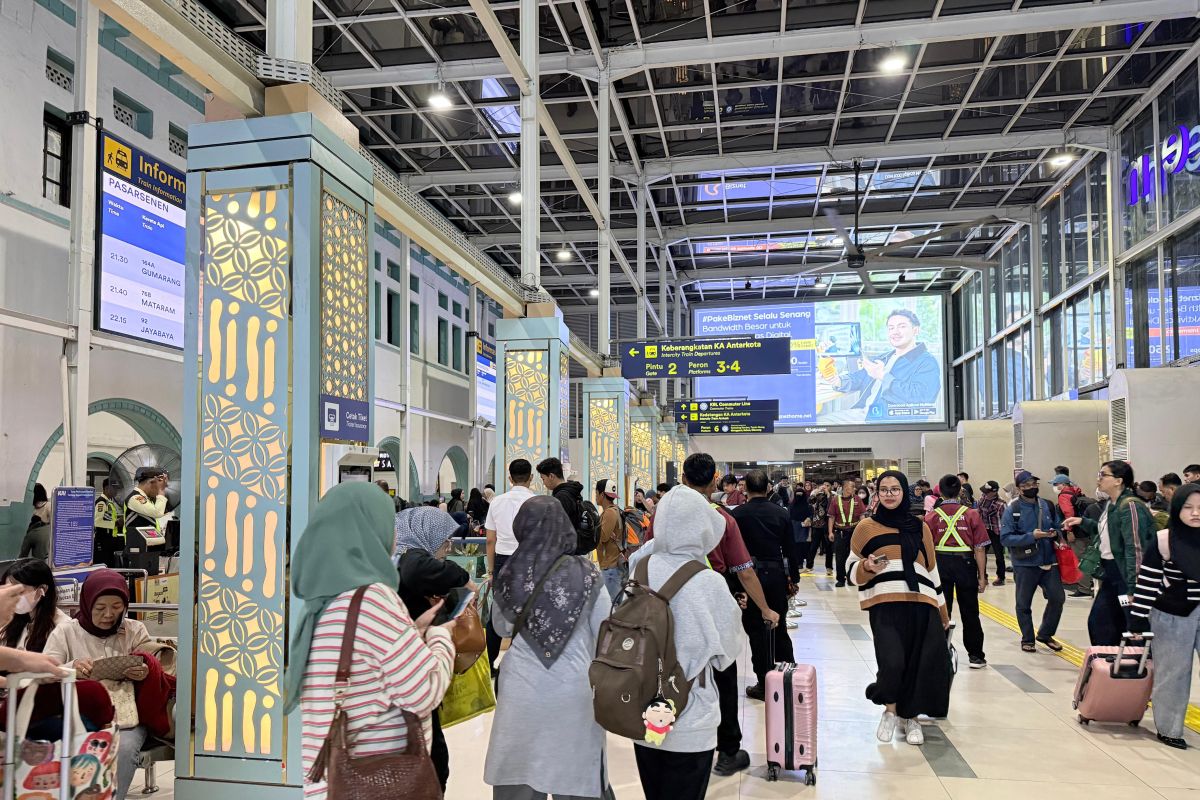
PT Kereta Api Indonesia (Persero), alongside KAI Group, continues to strengthen the role of rail-based transport in supporting public mobility across various regions of Indonesia. Between January and August 2026, KAI Group services were used by 351,602,397 customers, representing a 7.09 per cent increase compared to the 328,311,868 customers recorded during the same period in 2025.
Of this total, 317.7 million customers, or 90.29 per cent, utilised public services supported by the government through the Public Service Obligation (PSO) scheme and pioneer services. Meanwhile, commercial services served approximately 3ly4.2 million customers, accounting for 9.71 per cent of KAI Group’s total passenger base.
This customer composition demonstrates the role of railways as a mode of transport that provides travel access to the wider public through affordable services. Various KAI services support the community’s travel needs, ranging from daily commutes to workplaces and educational institutions, intercity travel, urban connectivity, to tourism.
Anne Purba, Vice President of Corporate Communication at KAI, stated that KAI continues to maintain a balance between improving service quality and ensuring easy access to rail-based transport for the public.
“Railways are an integral part of people’s journeys for various needs. KAI continues to provide safe, comfortable, and affordable services so that more people can utilise rail-based transport for various activities,” said Anne.
The largest contribution came from Commuter Line services, which served 277,272,682 customers between January and August 2026. These services support urban mobility through the Jabodetabek KRL, as well as the Merak, Bandung Raya, Yogyakarta, and Surabaya Commuter Lines.
For intercity and local travel, KAI recorded 40,379,060 customers between January and August 2026. This figure increased from 37,152,345 customers during the same period in 2025, an increase of 8.69 per cent.
Growth was also evident in other urban rail services. LRT Jabodebek recorded 21,809,797 passengers, a 19.05 per cent increase compared to the 18,320,610 passengers during the same period the previous year. Meanwhile, KAI Bandara (Airport Rail Link) served 4,647,947 passengers, strengthening connectivity to strategic areas.
KAI also continues to provide services for diverse travel needs. The Makassar–Parepare train served 231,764 passengers between January and August 2026, while KAI Wisata (Tourism) recorded 216,980 passengers, a 49.09 per cent increase compared to the 145,537 passengers during the same period last year.
The increase in passenger numbers coincides with KAI’s efforts to maintain the quality of the travel experience. Based on the Customer Satisfaction Index (CSI) for the first half of 2026, KAI recorded a score of 4.53 out of 5, marking its highest achievement since 2020.
Anne added that KAI will continue to strengthen its services to ensure railway transport becomes increasingly accessible to the public.
“KAI is present with the community through various services that support daily activities and travel to various destinations. With expanding services, KAI continues to strive to provide comfortable, safe, and affordable transportation for the Indonesian people,” Anne concluded.