
9 New Updates on the US-Iran War: From Peace Proposals to European Demands
The conflict between the United States (US) and Iran is intensifying with military escalations, economic pressures, and diplomatic tug-of-war. Several major countries are being drawn in, while the Middle East region remains on high alert.
Here are nine latest developments in the US-Iran situation, as compiled by CNBC Indonesia from various sources on Monday (4/5/2026).
- Iran Reviews US Response to Peace Proposal
Tehran is examining Washington’s response to the 14-point peace proposal submitted through Pakistani mediators. The plan is claimed to focus on a comprehensive cessation of conflict, including military de-escalation mechanisms and securing energy trade routes.
However, Iran’s Revolutionary Guards assess the US position as still aggressive. They state that Washington is now at a crossroads between continuing military operations deemed “impossible to win” or accepting the diplomatic path. This statement reflects Iran’s confidence amid mounting military and economic pressures.
- Germany Insists on Maintaining Ties with the US
German Chancellor Friedrich Merz reaffirmed his commitment to keeping close relations with the US despite sharp differences over strategies towards Iran.
“I will not give up on pursuing transatlantic relations. I will also not give up on working with Donald Trump,” he said, as quoted by AFP.
This statement comes after Trump indicated a significant reduction in US troop numbers in Europe, sparking concerns about Washington’s security commitments to its allies.
- US Claims Maximum Pressure is ‘Strangling’ Iran
US Treasury Secretary Scott Bessent described the maximum pressure strategy as entering a new phase of “economic blockade” coordinated with military operations under Operation Epic Fury.
“This began with the President’s order in March, and now we are intensifying the pressure to truly cripple Iran’s economic capabilities,” he said.
The measures include restrictions on oil exports, access to the global financial system, and sanctions on entities aiding Iran. The impacts are beginning to be felt in Iran’s exchange rates and domestic inflation.
- Germany Urges Opening of the Strait of Hormuz
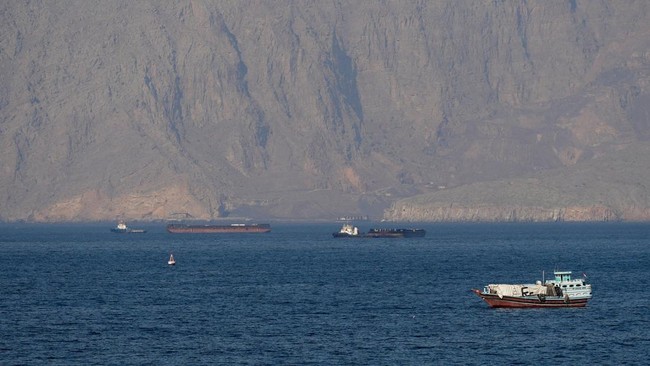
German Foreign Minister Johann Wadephul directly requested that Iran reopen the Strait of Hormuz, a vital route through which about one-fifth of the world’s oil supply passes.
In his communication with his Iranian counterpart, he also emphasised the importance of halting the nuclear programme. “As a close US ally, we share the same goals: Iran must fully abandon nuclear weapons and immediately open the Strait of Hormuz,” he stressed.
Closure or disruption in the strait could shake global energy prices, including for importer nations like Indonesia.
- Israel Issues Evacuation Warnings in Lebanon
The Israeli military has issued evacuation warnings for more than 10 villages in southern Lebanon, even beyond the zones previously occupied.
This step signals potential expansion of military operations against targets suspected to be linked to Hezbollah. Recent attacks reportedly killed one person and injured four rescue workers, worsening the humanitarian situation in the area. This tension also heightens the risk of a broader regional conflict.
- Hezbollah Threatens to Derail Negotiations
The Hezbollah group has stated it will not participate in peace negotiations between Lebanon and Israel. Hezbollah parliamentarian Hassan Fadlallah even said his side is prepared to sabotage the process.
“These negotiations do not concern us, and we will not carry them out,” he said.
This stance reduces the chances of achieving stability along the Lebanon-Israel border, given Hezbollah’s significant influence in Lebanese politics and military.
- Trump Doubts Iran’s Peace Proposal
US President Donald Trump said he would review Iran’s proposal but doubts its chances of acceptance.
“I cannot imagine it being accepted because they have not paid a sufficiently high price for their actions,” he wrote.
This comment indicates that Washington is likely to maintain a hardline approach, at least in the short term.
- Iran’s 14-Point Proposal Draws Global Attention
Iran’s proposal has become the centre of attention because it covers crucial aspects, from halting conflicts on all fronts to establishing a new framework for managing the Strait of Hormuz.
Although full details have not been published, Iranian media reports mention efforts to balance regional security interests with global economic stability.
However, without trust from the US and its allies, this proposal risks remaining merely a diplomatic document without real implementation.
- Trump Gives New Signal on Talks with Iran
US President Donald Trump has given a new signal regarding the direction of Washington-Tehran relations. He described talks with Iran as “very positive,” amid US plans to escort ships crossing the currently blockaded Strait of Hormuz due to the conflict.
In a statement on Truth Social, Trump said the ongoing negotiations could yield an agreement beneficial to all parties.
“I am fully aware that my representatives are having very positive discussions with Iran, and this could result in something very positive for all parties,” Trump said.
Nevertheless, Trump also provided hints of concrete US actions on the ground. He assured that Washington will begin escorting commercial ships stranded in the strategic route.