
9 Examples of Economic Globalisation Occurring in Indonesia
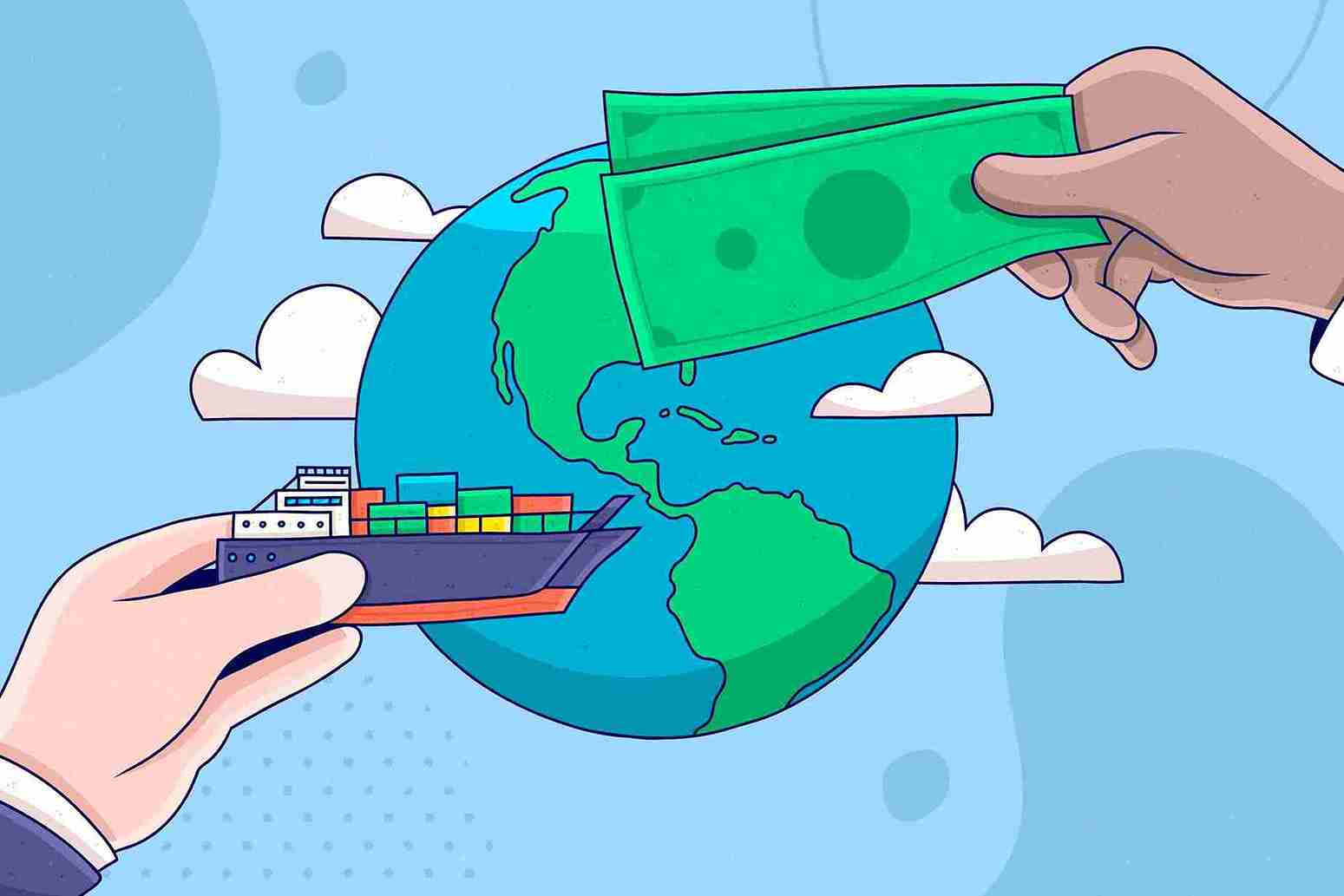
Globalisation is an unavoidable phenomenon that connects all countries, from technological and informational growth to social and economic aspects. In the economic field, globalisation brings significant impacts to a country, including access to international markets and capital, influx of foreign investment, technology exchange, and broader employment opportunities. In practice, it encourages countries to specialise in certain fields, expand job markets, and drive economic growth. A simple illustration is a US smartphone brand entrusting component production to China, assembly in South Korea, and sales to the global market. This entire chain of activities is known as economic globalisation.
Examples of Economic Globalisation Occurring in Indonesia
- Foreign Direct Investment (FDI)
Foreign Direct Investment is common in various countries, including Indonesia. It takes various forms, such as establishing or acquiring companies, or investing through capital markets. This practice is typically undertaken by foreign countries or companies seeking access to new markets, lower production costs, and resources not available in their home countries. In April 2026, Indonesia officially signed a cooperation agreement with South Korea committing US$10.2 billion (approximately Rp173 trillion) in investment. This investment targets strategic sectors such as energy, industry and manufacturing, technology, and infrastructure. The impacts are substantial, including potential economic growth, technology transfer from South Korea to local workers, job creation, and more.
- Global Supply Chain
A lesser-known fact is that many world-renowned brands do not handle their own production lines but outsource to third parties or invest in factories in certain countries. This practice is commonplace, especially in the fashion, technology, and automotive industries. In Indonesia, one global brand producing its goods here is Adidas, with a factory in Brebes, Central Java.
- International E-Commerce
In the digital era, global society is increasingly facilitated in shopping through various e-commerce platforms, such as TikTok Shop, Shopee, Temu, and Amazon. Previously, these platforms operated only in their respective countries, but now everyone worldwide can use them to shop for goods from abroad without visiting. Besides targeting consumers (B2C), there are also e-commerce platforms targeting businesses (B2B). Their presence makes it easier for producers to reach and acquire international clients.
- Trade Liberalisation
Globalisation facilitates countries in forming trade cooperation through numerous negotiations. The agreements vary, from reducing export-import tax costs to competitive pricing deals. A real example occurred when Indonesia and the United States agreed on the Agreement on Reciprocal Trade (ART) in February 2026. Under this agreement, the US waived import duties on 1,819 tariff positions for Indonesian exports. In return, Indonesia waived import tariffs on US products, including raw commodities like wheat and soybeans.
- Multinational Companies
To compete globally, many large companies invest by establishing factories or branches in various countries to leverage their advantages. This practice benefits both parties: Foreign companies gain strategic locations for factories, competitive wages for human resources, and direct access to natural resources as main production inputs. For the host country, the presence of foreign companies creates jobs, increases productivity and competitiveness, boosts state tax revenues, and transfers technology and knowledge to the workforce. In Indonesia, several multinational companies have operated for a long time, such as Unilever, Freeport, and Coca-Cola.
- Use of Information Technology in Business
Amid the massive use of e-commerce, there has been an increase in cross-border transaction activities. This drives global banks to invest and expand their services in various countries, such as opening branches. Besides banking, the cloud computing industry also feels the impact, as many local companies start using cloud services to manage business data securely without incurring high costs for building their own servers.
- International Product Standardisation
International trade provides opportunities for various sectors to compete on the global stage. Traded products range from raw materials to finished goods. However, to penetrate international markets, quality standards must be met, such as CE Marking (product safety), FSC (sustainable wood/forestry certification), and others. Complying with quality standards is not only an obligation but also a learning opportunity for businesses to provide world-class products and services.
- Technology Transfer
Foreign investment not only brings capital but also serves as a means of knowledge transfer to local workers. Through direct interaction in the workplace