
9 Countries with the Fastest-Rising Passport Rankings in the World
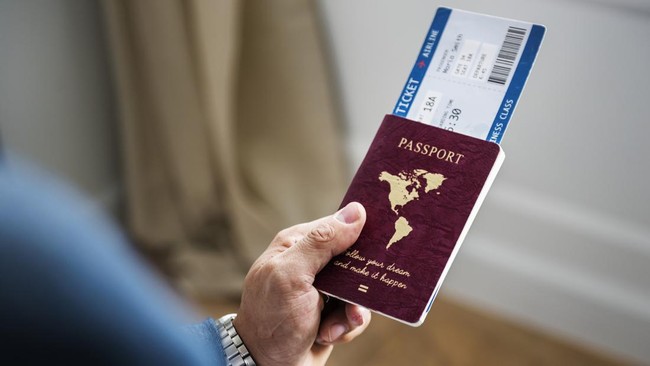
Changes in passport strength rankings usually take years to shift by just one or two positions, but that trend is beginning to change. Between 2025 and 2026, a number of countries recorded significant gains in global passport rankings. According to data from the Henley Passport Index, the Arton Capital Passport Index, and independent monitoring by various international institutions, these jumps were driven by diplomatic strength, active engagement in regional trade blocs, and unilateral visa-free policies aimed at boosting tourism and trade. Wealthy countries also achieved passport ranking improvements through the optimisation of soft power.
Here are nine countries that recorded significant passport ranking increases throughout 2025-2026, as reported by Yahoo Travel:
- United Arab Emirates (UAE)
The United Arab Emirates cemented its record as the country with the fastest mobility improvement over the past two decades. The UAE passport soared to fifth place globally after securing visa-free access to 153 destinations since 2006. Today, UAE passport holders enjoy access to 188 global destinations thanks to an expanded diplomatic network and highly active international partnerships.
- Kosovo
Kosovo’s rise was driven by the opening of political access that had previously been delayed. After years of being hampered in European mobility due to political dynamics, Kosovo climbed 35 places since 2016. Administrative alignment and the political approvals that were finally granted allowed its citizens to utilise mobility facilities that had long been fought for.
- India
Through diplomacy and visa liberalisation, India climbed to 80th place on the 2026 Henley Passport Index, level with Algeria. The rise from 85th place the previous year gave its citizens access to 55 to 56 destinations. Although its ranking remains limited, India’s growth momentum shows a stable positive trend.
- Oman
Oman rose to 55th place in May 2026 with a total of 84 visa-free or visa-on-arrival destinations. The increase was supported by two strategic agreements: China’s visa exemption policy for Gulf Cooperation Council (GCC) member states and a short-term reciprocal visa-free agreement with Russia that came into effect in July 2025.
- Saudi Arabia
Saudi Arabia’s mobility improvement has progressed in tandem with the implementation of its Vision 2030 national reform programme. Saudi Arabia recorded expanded access to around 87-88 visa-free destinations in 2026, supported by improved investment climate and national economic indicators.
- Bahrain
Bahrain’s rise was driven by a combination of gross national income per capita growth, improved institutional indicators, and participation in China’s visa exemption agreement for the Gulf region. This regional integration provides easier access for Bahraini citizens to one of the world’s major economic centres.
- Hong Kong
Hong Kong recorded a significant jump of 12 places to reach 31st position. Unlike other countries that rely on a single major agreement, Hong Kong’s rise was achieved through the routine renewal of various bilateral agreements comprehensively, as well as improvements in supporting indicators such as investment and mobility.
- Philippines
The Philippines recorded one of the highest increases in the number of destinations, with visa-free, visa-on-arrival, or eTA access rising from 64 to around 78 destinations. The Philippine Department of Foreign Affairs is continuing to explore various new reciprocal agreements, including initial dialogue on potential access to the Schengen area.
- Pakistan
Although still in the lower ranking group, the Pakistani passport is showing gradual recovery. In the February 2026 edition, Pakistan rose to 97th place from 103rd the previous year, with total access to 32 destinations. This gradual rise marks a reversal of the downward trend in its position that had been experienced for years.