
860 Personnel Conduct Emergency Simulation at Ngurah Rai Airport
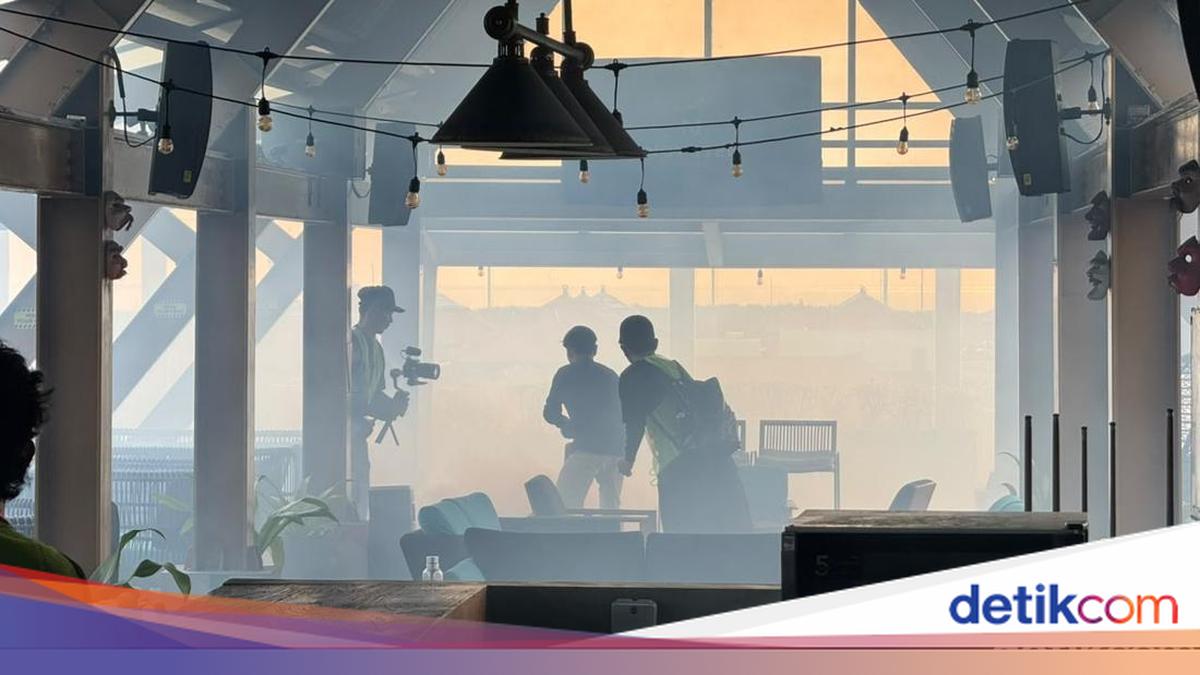
I Gusti Ngurah Rai International Airport in Bali has tested its emergency preparedness by conducting simulations for fires, security threats, and aircraft accidents. A total of 860 joint personnel were involved in the Airport Emergency Exercise (AEE).
The General Manager of I Gusti Ngurah Malaysia International Airport, Nugroho Jati, explained that this training is a mandatory activity held every two years. “As per the agenda, every two years an airport is required to carry out full-scale training for handling emergency conditions,” he said when met at the Fire Station 1 Building at Ngurah Rai Airport, Badung, on Wednesday (23/9/2026).
The exercise covered building fire responses, security threats to the airport as a vital object, and aircraft accidents occurring both inside and outside the airport perimeter. However, this particular session focused on scenarios within the airport grounds.
“Both inside and outside the airport area. However, for today, our scale is at the level of stages within the airport,” he continued.
The activity involved all stakeholders within the Airport Security and Emergency Committee, including the TNI-Polri (Indonesian National Armed Forces and National Police), airlines, ground handling services, Immigration, Customs, and Quarantine offices, including both Health Quarantine and Indonesian Quarantine.
Additionally, the exercise involved hospitals for casualty management, regional fire departments, AirNav Indonesia, and other elements related to airport emergency conditions.
Three Emergency Scenarios
Nugroho explained that the training was conducted in several stages. In the afternoon, a building fire exercise was held, followed by an airport security exercise. The aircraft accident response simulation took place at night.
“The night was specifically chosen to test night-time operational readiness, considering that I Gusti Ngurah Rai Airport operates 24 hours a day,” he said.
There were three simulation points during the exercise. The first point was at a hotel located between the International and Domestic Terminals, simulating a fire that impacted the surrounding area. The second point was at the Domestic Terminal, specifically the General Aviation Terminal (GAT) used for private jets, simulating a threat to aviation security. The third point was on the north side of the runway, simulating an aircraft accident that caused a fire, requiring firefighting and casualty rescue efforts.
Nugroho stated that of the seven established categories of emergency conditions, several scenarios are high priorities, including volcanic activity and tsunamis. “The primary priorities are volcanic activity, specifically from Mount Agung and its surroundings. The second is tsunamis. The third is volcanic ash activity affecting the environment around Bali Province,” he noted.
He also explained that managing emergency conditions caused by natural disasters differs from managing the COVID-19 pandemic, as the duration and the specific parties involved in a disaster cannot be predetermined.
Despite the exercise, airport operations continued throughout the simulation. The airport authorities had informed relevant parties via a Notice to Airmen (NOTAM) to anticipate potential flight delays.
“We have notified via Notice to Airmen (NOTAM) that there is activity on the airside that may impact delays, so it can be anticipated in advance. However, there is no closure or reduction in airport operations; everything continues to run,” he concluded.
Source: jawawa.id (https://jawawa.id/newsitem/860-personnel-conduct-emergency-simulation-at-ngurah-rai-airport-1790167926)
Originally published by detikBali (https://www.detik.com/bali/berita/d-8676088/860-personel-simulasi-3-kondisi-darurat-di-bandara-ngurah-rai), translated from Indonesian